Those early signs can be easy to overlook or explain away. Neurologist Dr. Shaheen Lakhan said gradual changes are often attributed to stress, exhaustion, aging or feeling overwhelmed, and some people also avoid evaluation because they worry about what it could mean for their independence.
Because aging naturally brings changes in thinking and behavior, it can be easy to dismiss small shifts over time. Davide Cappon, director of neuropsychology at Tufts Medical Center, said people often compensate without realizing it, and family members may quietly take over certain responsibilities. Looking back, the full extent of the change may become clear only after a long stretch of time.
The person affected may not notice the problem at all. Lakhan said some people experience anosognosia, a reduced awareness of their own difficulties, and may genuinely believe nothing has changed. Interpreting that as stubbornness can turn a neurological symptom into a family dispute. None of the warning signs below automatically mean Alzheimer’s, and each can have other causes, but experts say they are worth watching closely.
Changes in judgment and money management
A once careful person may begin missing payments, paying the same bill more than once or making uncharacteristic financial choices, Lakhan said. They may also become more vulnerable to scams, make unusual purchases or give money away in ways that feel out of character.
Trouble with planning and complex tasks
Cappon said someone who has always been organized may suddenly struggle to plan, track daily responsibilities or juggle multiple tasks. What once felt routine can start to require much more effort.
Dr. Yasmin Mohiuddin, a neurologist with Orlando Health, said planning can become harder and mistakes may increase, especially with numbers, such as missed bills or incorrect tip calculations.
Even complex tasks can become difficult or overwhelming. Fotuhi said someone who used to handle bills, investments or holiday meals may start making mistakes or hand those jobs off quietly. Families may assume the person is simply aging or losing interest.
Pulling away from social life
Lakhan said social circles often start to shrink. A person may stop organizing gatherings, avoid a favorite game or withdraw from conversations they once enjoyed because it has become harder to follow several speakers or remember rules. Difficulty finding words or keeping up can also make socializing feel exhausting.
Cappon added that a person may seem less motivated, more withdrawn or less interested in activities they used to enjoy. These changes are easy to confuse with depression, stress or normal aging, and they do not automatically point to Alzheimer’s.
Changes in mood and behavior
Fotuhi said personality shifts such as apathy, withdrawal from friends and hobbies, irritability or anxiety can appear before obvious memory loss. These signs are often mistaken for depression or stress.

Dr. Michael Stanley of Tufts Medical Center said mood changes are increasingly recognized as an early clue. He noted that new depression, anxiety or apathy without a clear environmental or social trigger should prompt a checkup for possible cognitive impairment.

Stanley also said mood matters because the link between mood and memory is both structural and physiological. Addressing emotional health can sometimes improve or stabilize attention, concentration and memory.

Difficulty with familiar technology
Lakhan said another overlooked clue is when ordinary life starts to require unusual effort. A person may begin having trouble with technology they once handled easily, such as online banking, messaging or a familiar remote control.

He said trouble learning a redesigned app can be normal, but losing skills that were previously comfortable is more concerning. A phone can provide a clue, but it cannot diagnose the condition.

Repeating questions and remembering the past better than the present
Fotuhi said repeating the same question or story is another warning sign. For example, someone may ask about dinner several times in an hour without remembering they already asked. That differs from ordinary forgetfulness because the whole exchange is gone, not just a detail.

Lakhan added that some people retain vivid memories from decades earlier while struggling to remember recent conversations. Repeated questions, forgotten plans or the need for the same explanation over and over may be brushed aside because the person still seems articulate and informed. Old memories can remain intact even when new information is no longer sticking.

Getting lost in familiar places
Fotuhi pointed to signs such as taking a wrong turn on a route driven for years or becoming briefly disoriented in a familiar store. Vision problems can contribute, but this can also signal a serious cognitive issue such as Alzheimer’s. Lakhan said people may also start misjudging distances or having trouble navigating spaces, and these changes are sometimes mistaken for eyesight trouble.

Changes in your sense of smell
Research suggests that a fading sense of smell may also be an early warning sign. One recent study found that in Alzheimer’s, the brain’s immune cells may wrongly attack the nerve fibers that carry smell signals, which could help explain why smell loss may appear years before diagnosis.

Dr. Dale Bredesen, a neurologist at Apollo Health who focuses on Alzheimer’s, has previously advised people not to dismiss a decline in smell as harmless. He suggested that adults with a family history of cognitive disorders consider asking a neurologist about smell testing, though he emphasized that a normal smell test does not guarantee everything is fine.

Quietly covering for lapses
Sometimes the clue is the workaround itself. Fotuhi said people are often highly skilled at compensating, whether by using sticky notes, letting a spouse answer questions or joking that they have always been bad with names.

That can happen because the brain has a large reserve. Fotuhi noted that people with strong education, active social lives and demanding careers may compensate for years, making the earliest changes much harder to detect.
Loved ones may also start compensating without realizing it. Mohiuddin said symptoms are often blamed on age, stress or lack of sleep until a more serious mistake happens. Social skills and general knowledge may remain intact early on, which can make short interactions seem normal while a spouse gradually takes over driving, paying bills or cooking. Lakhan said that increased dependence is still important information for a doctor.

What to do if you notice these signs
Cappon said not to panic, but not to ignore the changes either. A good first step is to talk with a primary care provider and share specific examples of what has changed. Mohiuddin advised bringing a family member who knows the person well and can provide concrete examples with approximate dates.

It also helps to bring a list of medications and over-the-counter products. Fotuhi said a proper evaluation should go beyond reassurance and include a cognitive assessment, blood work such as thyroid function, vitamin B12 and blood sugar, a review of medications, and screening for sleep problems, depression and hearing loss.

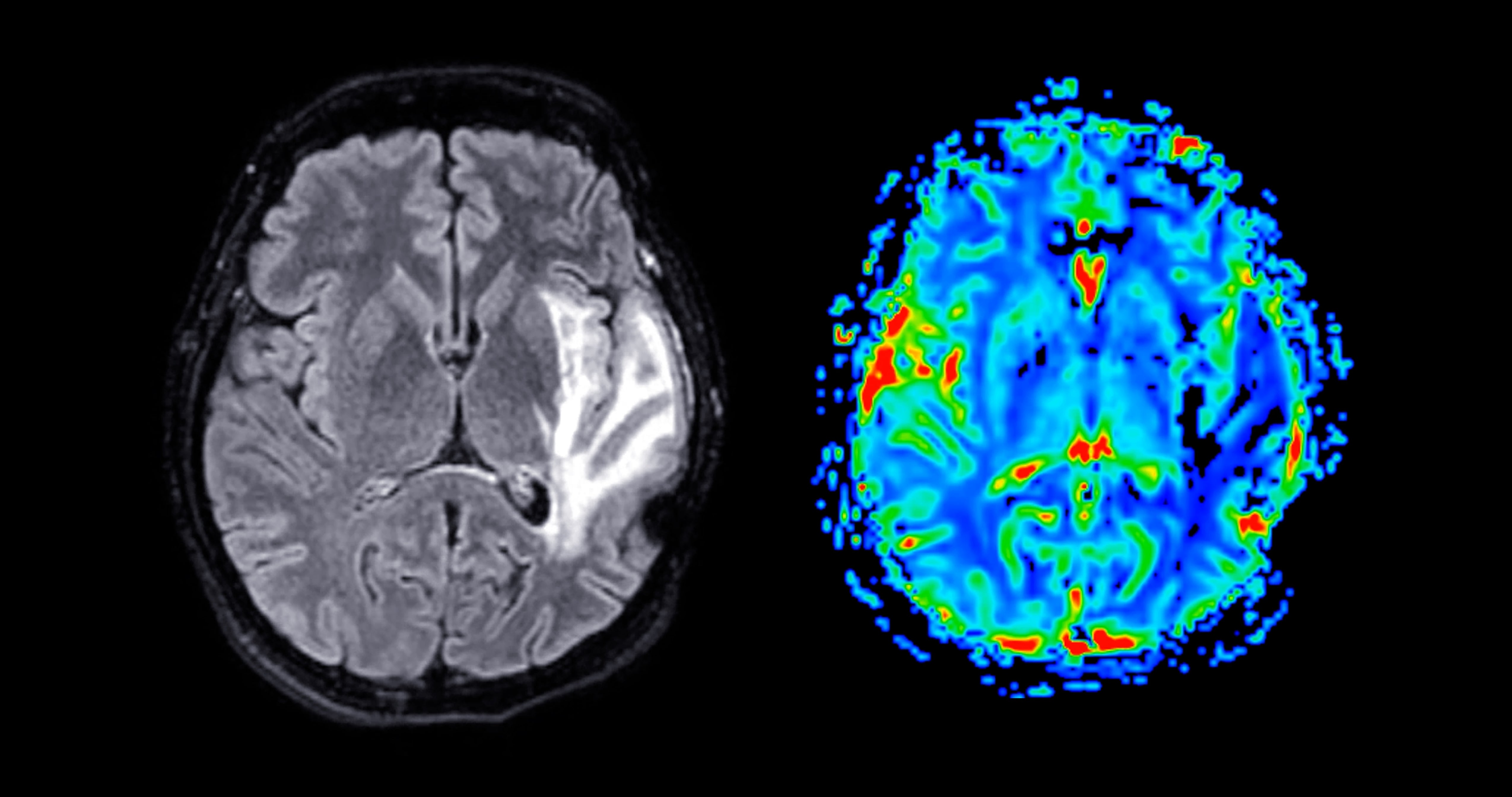
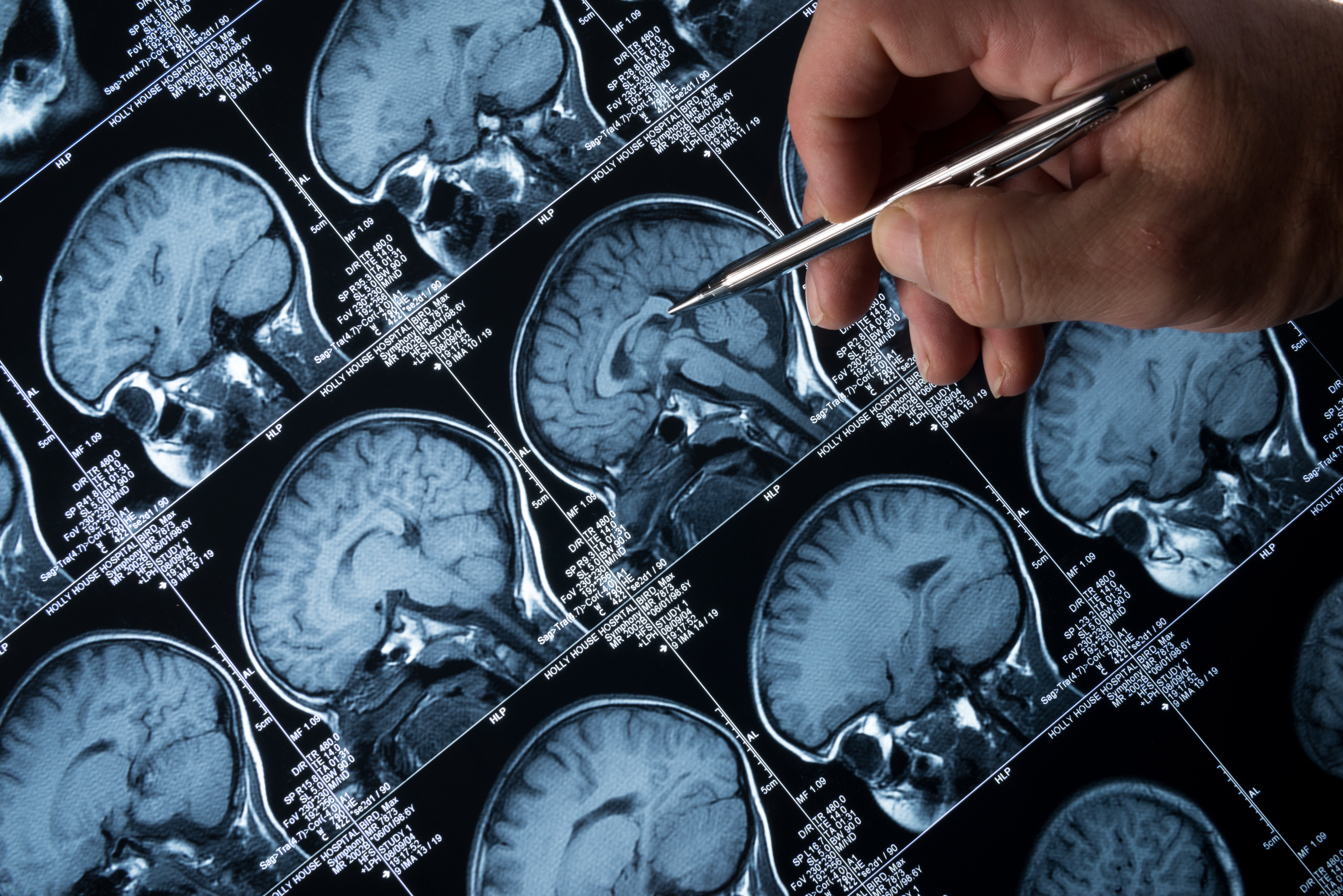
Doctors may also use brain imaging and blood tests for Alzheimer’s-related proteins to get a clearer picture. Stanley said they should look for modifiable risk factors, including sleep, substances, medications, toxins, electrolytes, hormones, vitamins and certain infections, and perform a basic neurological screen. He also recommended referral to occupational or speech-language therapy to help the person develop strategies that support day-to-day cognition. Depending on the results, a primary care doctor may refer the patient to a neurologist or psychiatrist.
Not every thinking problem is Alzheimer’s, Cappon said. Poor sleep, depression, medications and other medical issues can create similar symptoms. The encouraging part, he added, is that diagnostic tools are better than before and some patients can benefit from treatments that may slow the disease, making early evaluation important.

Noticing these changes can also be a chance to pay attention to overall brain health. Stanley suggested asking whether you are exercising regularly and getting enough sleep.

He also encouraged people to consider whether they are eating a heart-healthy diet and making time for social and mentally engaging activities such as music, games, crafts, dancing or hobbies several times a week.

He added that it is also worth thinking about how much alcohol, tobacco, cannabis or other substances are being used. According to Stanley, these physical, emotional and intellectual habits can help slow cognitive decline and support better outcomes at any stage of life, especially when symptoms begin to appear.

More from Digilifetrends
Whole Foods' 365 Supplement Pulled From Shelves Over Salmonella Concern
A supplement sold at Whole Foods Markets and online has been recalled over concerns that it may be contaminated with salmonella. The recall covers one lot of 365 Whole Foods…
1 min read · Published 2026-11-02Why a Zero-Calorie Label May Not Mean What You Expect
There’s a long-running joke that broken cookies don’t count for calories. The thinking is that tiny crumbs are so small they can be ignored, allowing you to eat them without…
2 min read · Published 2026-11-02Why blood pressure fluctuates during the day and how to interpret the numbers
Blood pressure naturally goes up and down over the course of a day. Things like activity, sleep, stress and even the way it is measured can all affect the number shown on a…
3 min read · Published 2026-11-02