If you have ever used a fitness tracker or checked a health app on your phone, you have probably noticed one familiar target: 10,000 steps. It has become a common benchmark for people hoping to get fitter, lose weight, or simply move more. But where did that figure come from, and is it really the key to dropping pounds?
1. Where the 10,000-Step Idea Came From
Surprisingly, the well-known 10,000-step target did not originate with a doctor. It came from a Japanese pedometer marketing campaign in the 1960s. The number stuck because it was memorable and appealing, not because it had been scientifically validated.
Still, it can be a useful goal for overall fitness. Reaching 10,000 steps a day typically means covering about five miles, which can help with weight maintenance and general health. For beginners or people with desk jobs, though, that number may feel overwhelming.
Rather than aiming for perfection, it is better to focus on gradual improvement. If you currently average 4,000 steps a day, try moving up to 5,000 for a week or two. Slowly increasing your step count helps build stamina and turns activity into a lasting habit.
2. How Steps Affect Calorie Burn
Every step uses energy, although perhaps not as much as you might expect. On average, 1,000 steps burn about 40 to 50 calories, depending on your weight, speed, and stride length. That means 10,000 steps could burn roughly 300 to 500 calories over the course of a day.
Weight loss happens when you create a calorie deficit, meaning you burn more calories than you take in. Walking helps with that without the strain or injury risk that can come with higher-impact exercise. It also lets you add movement throughout the day in small, easy ways.
Another advantage is that walking can slightly raise your metabolism even after the activity ends. Pair it with mindful eating, and those steps can become meaningful progress without obsessing over every bite or workout.
3. Setting a Step Goal That Fits You
Ten thousand steps is not a requirement for everyone. The right target depends on your fitness level, routine, and personal goals. Someone who spends most of the day sitting may see improvement by gradually increasing from 3,000 to 7,000 steps a day.
Consistency matters most. Track your average daily steps for several days, then try raising them by 1,000 to 2,000 each week. This steady approach lets your body adjust without becoming too demanding.
And walking more does not have to mean setting aside long exercise sessions. Parking farther away, using the stairs, or pacing while on the phone all count. Those small bursts of movement add up quickly and fit naturally into everyday life.
4. Why Pace and Intensity Matter
A relaxed walk is good for the mind, but pace is what influences how many calories you burn. Brisk walking, around 3 to 4 miles per hour, raises your heart rate and increases calorie use without feeling like a full workout.
If you want to push a little harder, try interval walking by alternating one minute of fast walking with two minutes at a normal pace. This keeps your body working and can increase fat burn after you finish.
Incline walking is another effective option. A gentle hill or treadmill incline can significantly increase calorie burn while strengthening your legs and glutes. It is a simple way to make walking more challenging without needing squats.
5. Sample Step Targets for Different Goals
Here is a practical breakdown. For weight maintenance, around 5,000 to 7,000 steps a day is a reasonable target. For gradual weight loss, aim for 8,000 to 10,000 steps. If you want a more aggressive approach, 12,000 to 15,000 steps per day can be effective, especially when paired with smart eating habits.
More steps mean more activity, but that does not mean you should push too hard. Pay attention to your body and increase gradually. Too much strain, or sore feet, can make it harder to stay consistent.
Think of step counts as a flexible range rather than a strict rule. The best number is the one that challenges you without making daily walking feel like a chore.
6. Walking Works Best with a Healthy Diet
One important truth is often overlooked: walking by itself will not compensate for a poor diet. Even if you log 15,000 steps a day, eating more calories than you burn will keep the scale from changing much.
That does not mean you need an extreme approach. A balanced diet with lean proteins, whole grains, vegetables, and reasonable portions is a better strategy. Small, sustainable changes are more effective than severe restrictions that lead to late-night overindulgence.
When healthy eating is combined with regular walking, the benefits add up. You may feel more energetic, sleep better, and see more lasting results. It is less about dieting and more about building a lifestyle that supports you.
7. The Mental Health Upside
Walking is not only helpful for your body; it also supports your mind. Even a short 10-minute walk can reduce stress and improve your mood. That sense of calm after a walk is backed by science.
Movement triggers the release of endorphins, serotonin, and dopamine, the chemicals that help you feel better mentally and emotionally. That natural lift can make it easier to keep up with your health goals.
Walking also gives you time away from screens and daily stress. Whether you use the time to listen to music, a podcast, or just your own footsteps, those quiet minutes can help reset your thinking and lead to better choices later in the day.
8. Ways to Monitor Progress
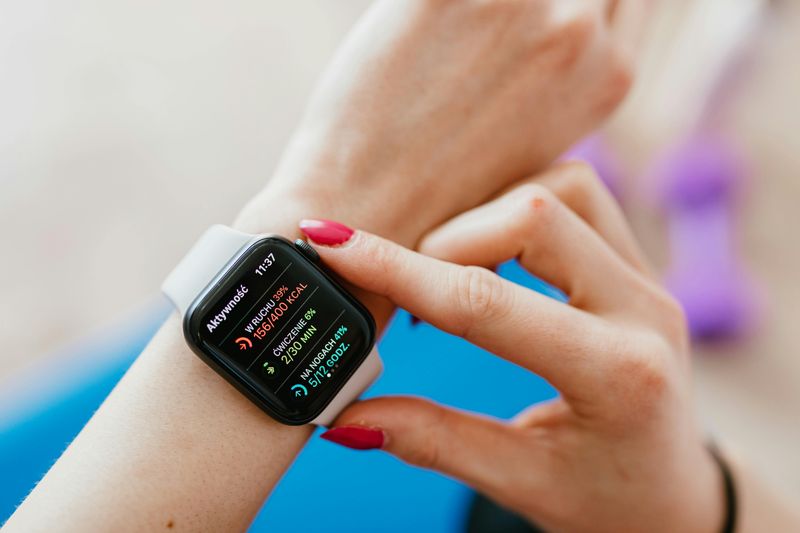
Tracking your steps can make progress feel more tangible. Fitness trackers, smartphone apps, and smartwatches all show how far you have come, and that little alert when you hit your goal can be very satisfying.
You do not need expensive equipment. A phone’s built-in step counter can work just fine. The goal is accountability. Watching your numbers increase over time can be highly motivating.
You can also make it more fun by setting weekly challenges or competing with friends online. Turning movement into a game can help keep you engaged, and before long, you may be walking farther just to stay near the top of the leaderboard.
9. Keeping Expectations Realistic
Walking can make a real difference, but results do not happen overnight. A healthy rate of weight loss is usually about 1 to 2 pounds per week, which may sound slow, but it is also more likely to last.
Do not be discouraged if the scale does not change immediately. Your body sometimes needs time to adapt. Non-scale signs, such as looser clothes, more energy, or clearer skin, can also show that your effort is paying off.
Patience matters. The steps you take now may not show visible results right away, but they will likely make a difference in how you feel over time.
10. The Bottom Line
There is no single magical step count that guarantees weight loss. What matters most is consistency, balance, and the right mindset.
Walking is one of the easiest ways to take control of your health without a gym membership or complicated routine. Every step brings you closer to feeling stronger, lighter, and more confident.
So whether your daily goal is 6,000 steps or 16,000, keep moving forward. Progress may be gradual, but it is worth the effort.
More from Digilifetrends
Weight-loss drugs tied to reduced diabetes and cardiovascular risk
Medications commonly prescribed for weight loss were associated with a lower chance of developing type 2 diabetes than metformin in a large study based on health records.
3 min read · Published 2026-11-06Make Scrambled Eggs More Filling With a Simple Toast Upgrade
Scrambled eggs make for a hearty, reliable breakfast, and there is a good reason they are so popular. They are rich in protein and provide plenty of nutrients. Still, eggs do not…
2 min read · Published 2026-11-05Persistent 'Food Noise' Affects About 1 in 5 Americans
Nearly 1 in 5 Americans say they frequently or always deal with “food noise,” meaning intrusive thoughts about food that can arise even when they are not hungry, according to a…
2 min read · Published 2026-11-05