My Ring Alarm system is now five years old, and it has expanded to around 50 sensors and cameras across the doors, windows, and corners of my home. It works, and I’ve covered plenty of the upgrades that have made my home security stronger than ever. Even so, I had been wanting to try a different system for some time.
When Anker eufy sent over its Essential Alarm System for testing, the timing was ideal. After two weeks with it, I’m not making the switch, and that has nothing to do with eufy’s hardware. If I were building a security setup from the ground up, this is the system I would buy first.
MakeUseOf Recommended
eufy Security Essential Alarm System
- What's Included
- 1 keypad, 1 alarm base station, 1 motion sensor, 4 contact sensors
- Professional Monitoring?
- Optional
- Compatibility
- eufy ecosystem
- Brand
- eufy
- No subscription required for app arming
- Five-year sensor battery life
- Local storage for eufy cameras
- Fast, intuitive app
- No battery or cellular backup
- Alarm doesn't work with Alexa
- Ads in the app
- Keypad charges over micro-USB
Inside the eufy Essential Alarm System
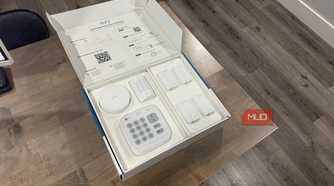
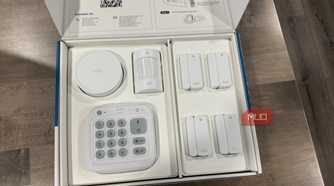
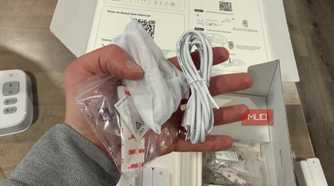
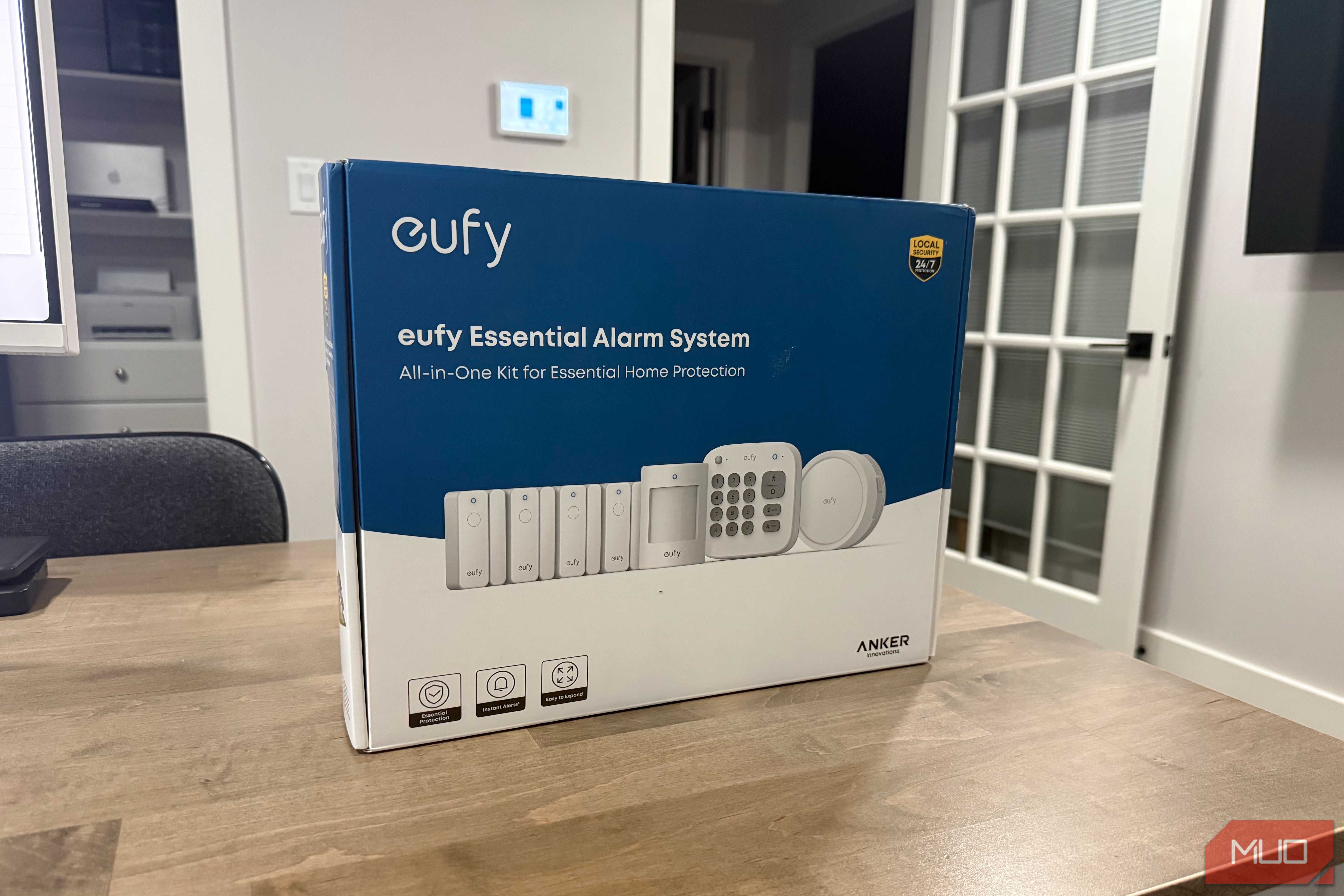
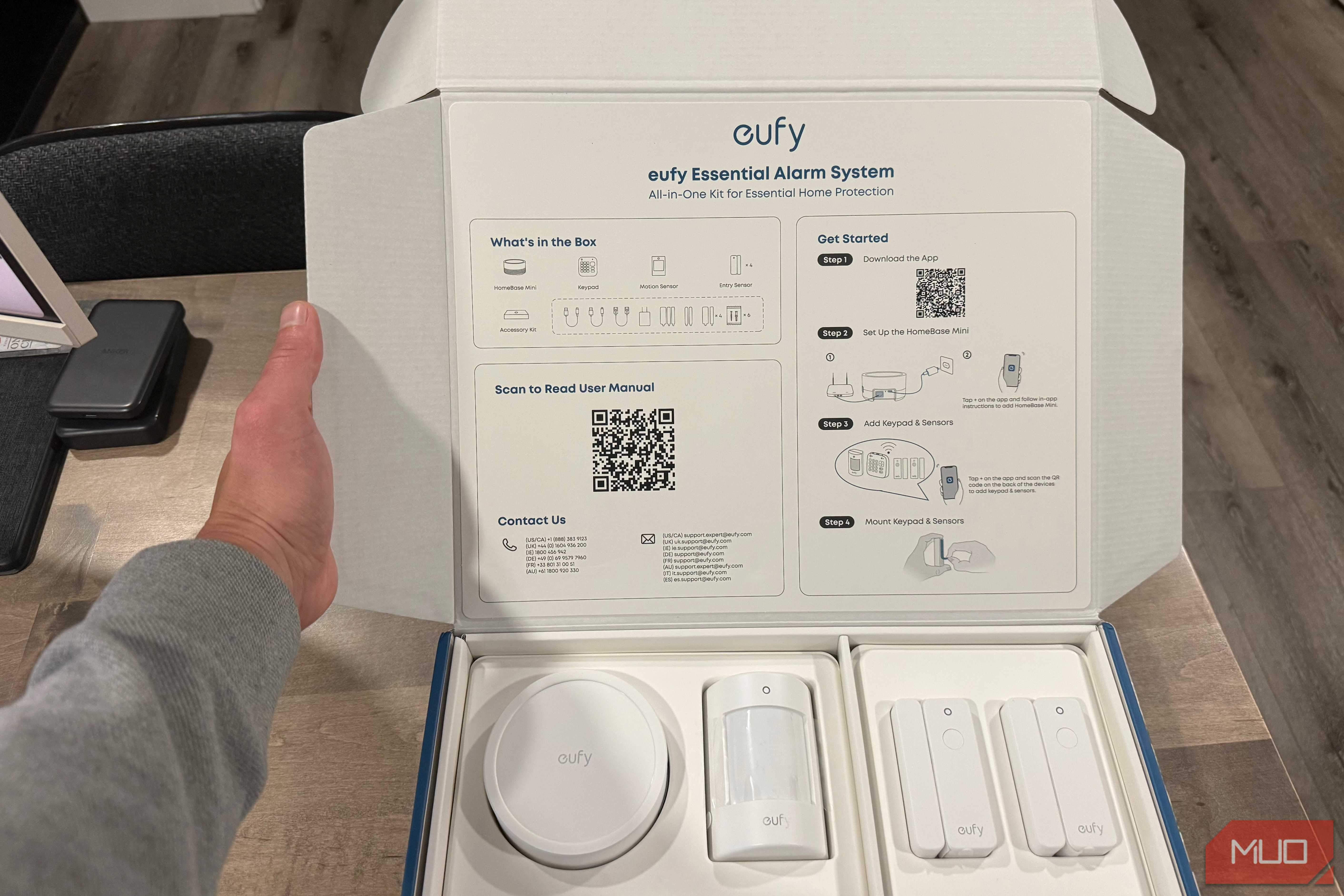
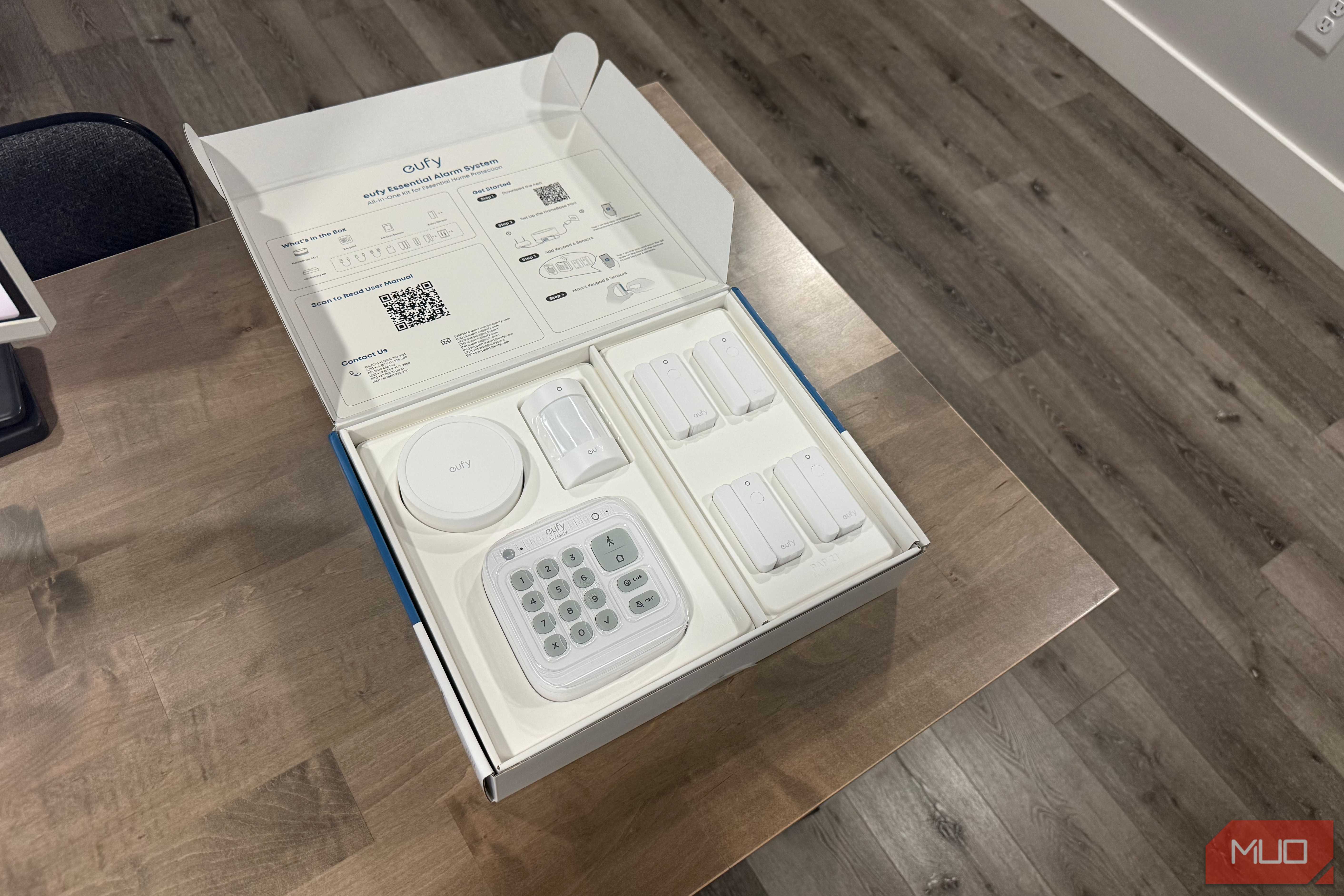
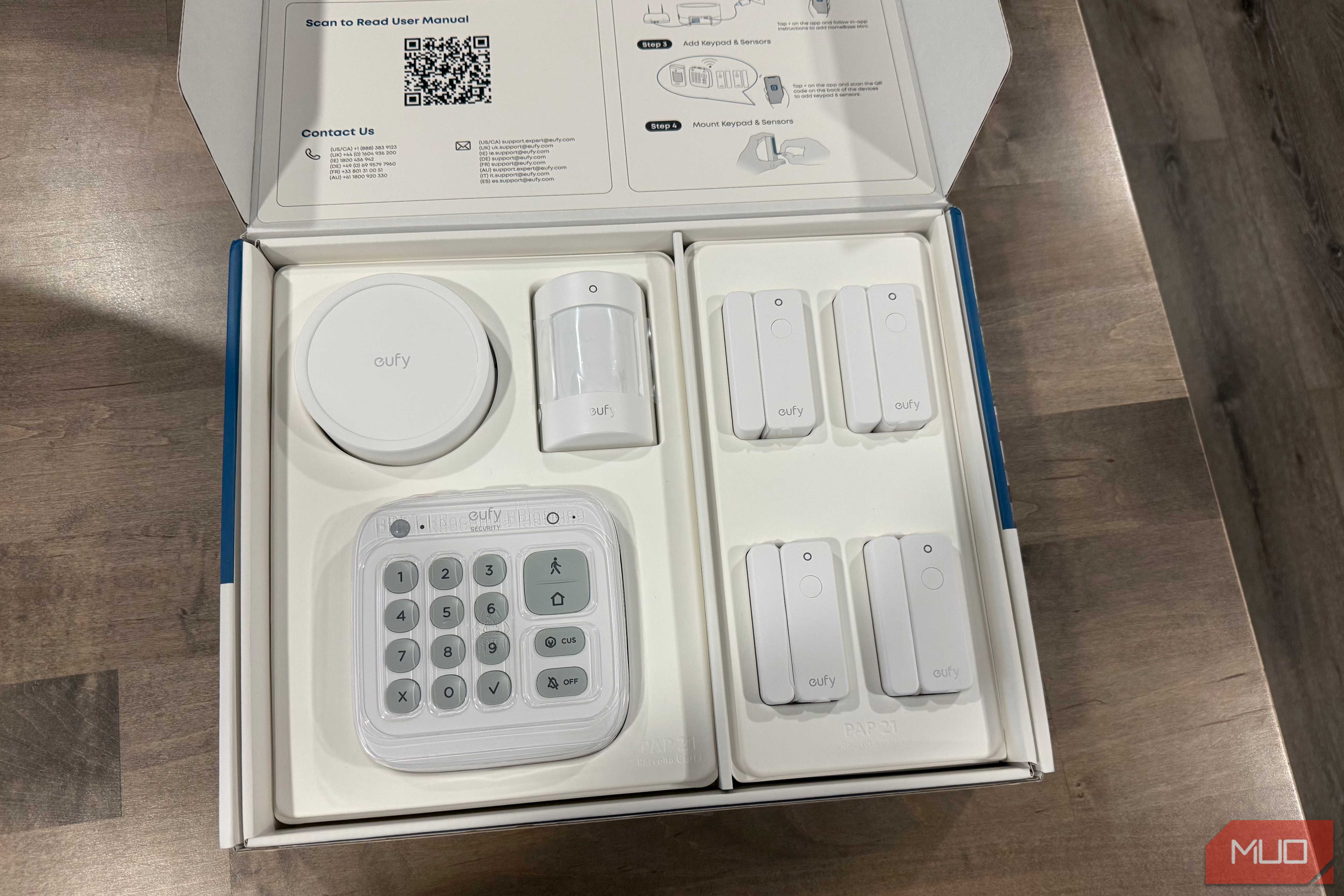
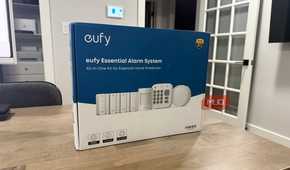
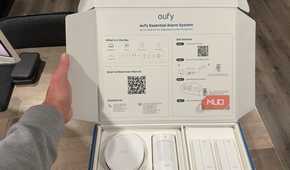
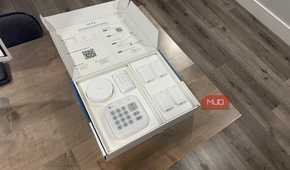
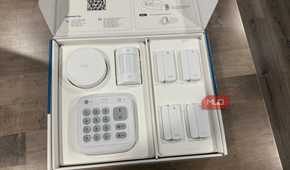
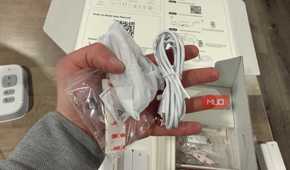
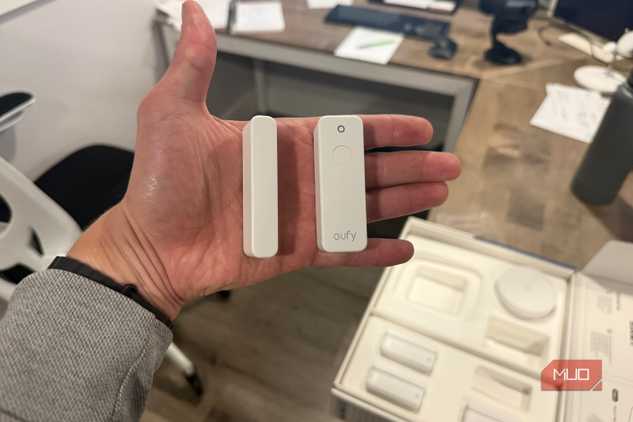
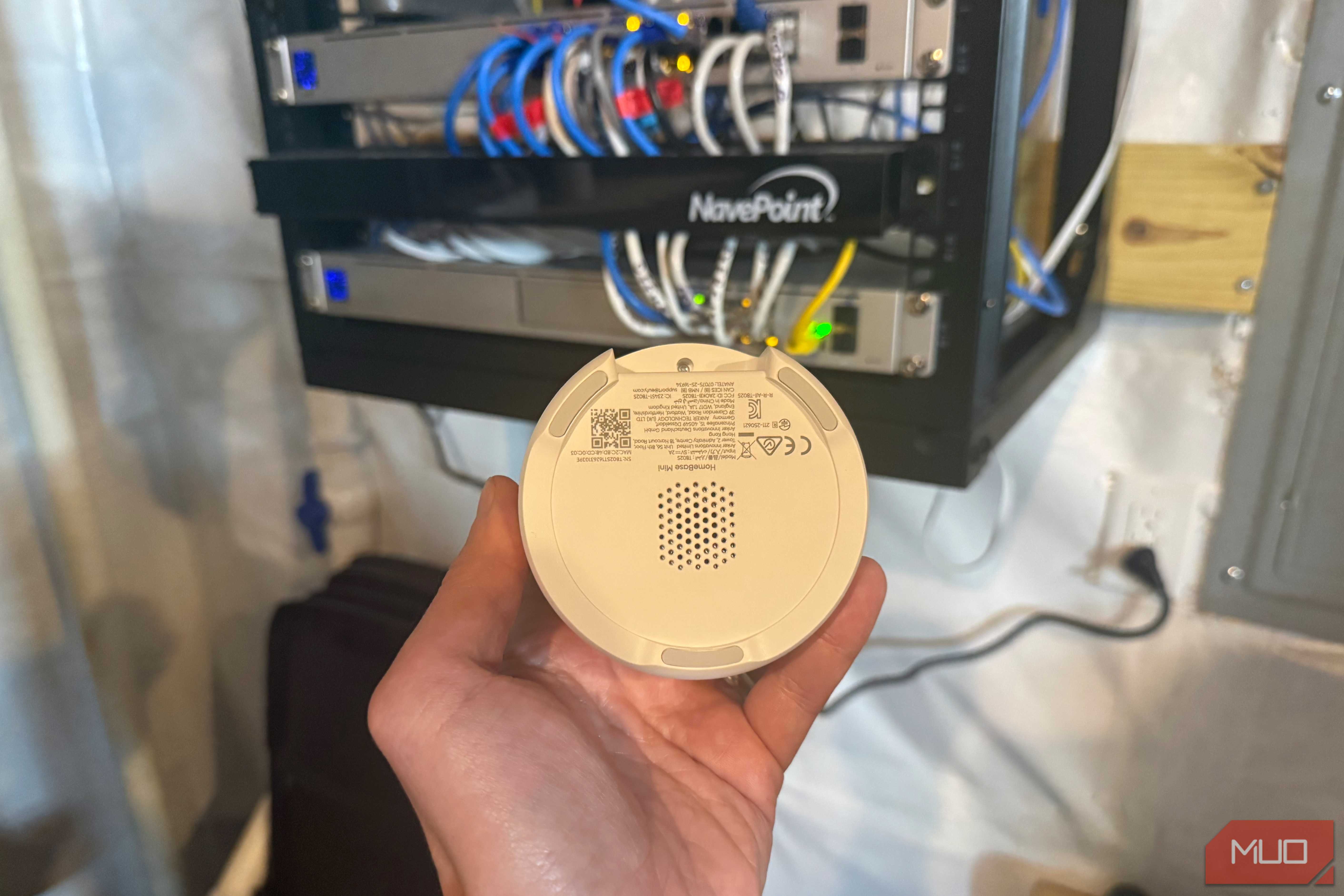
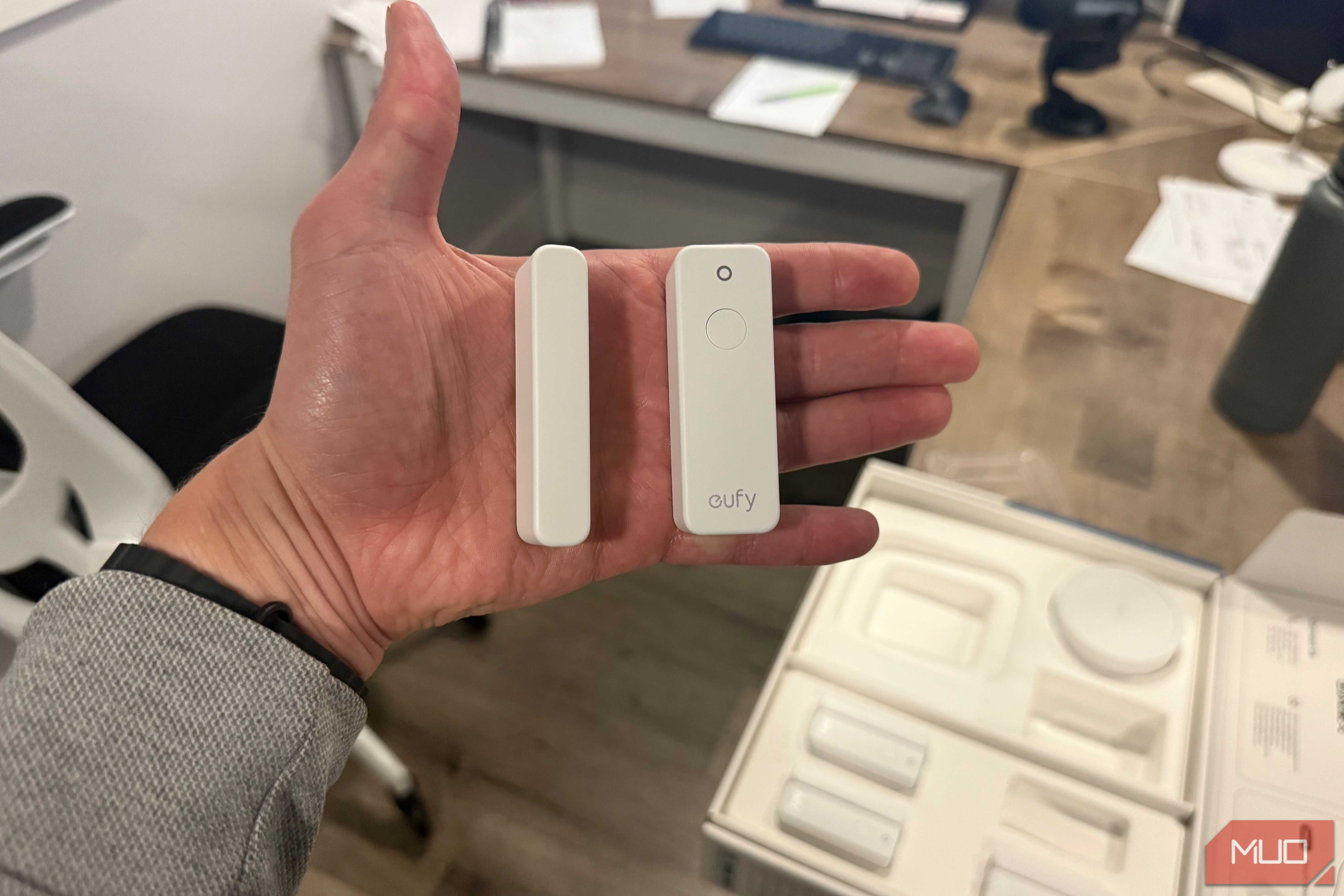
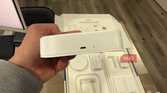
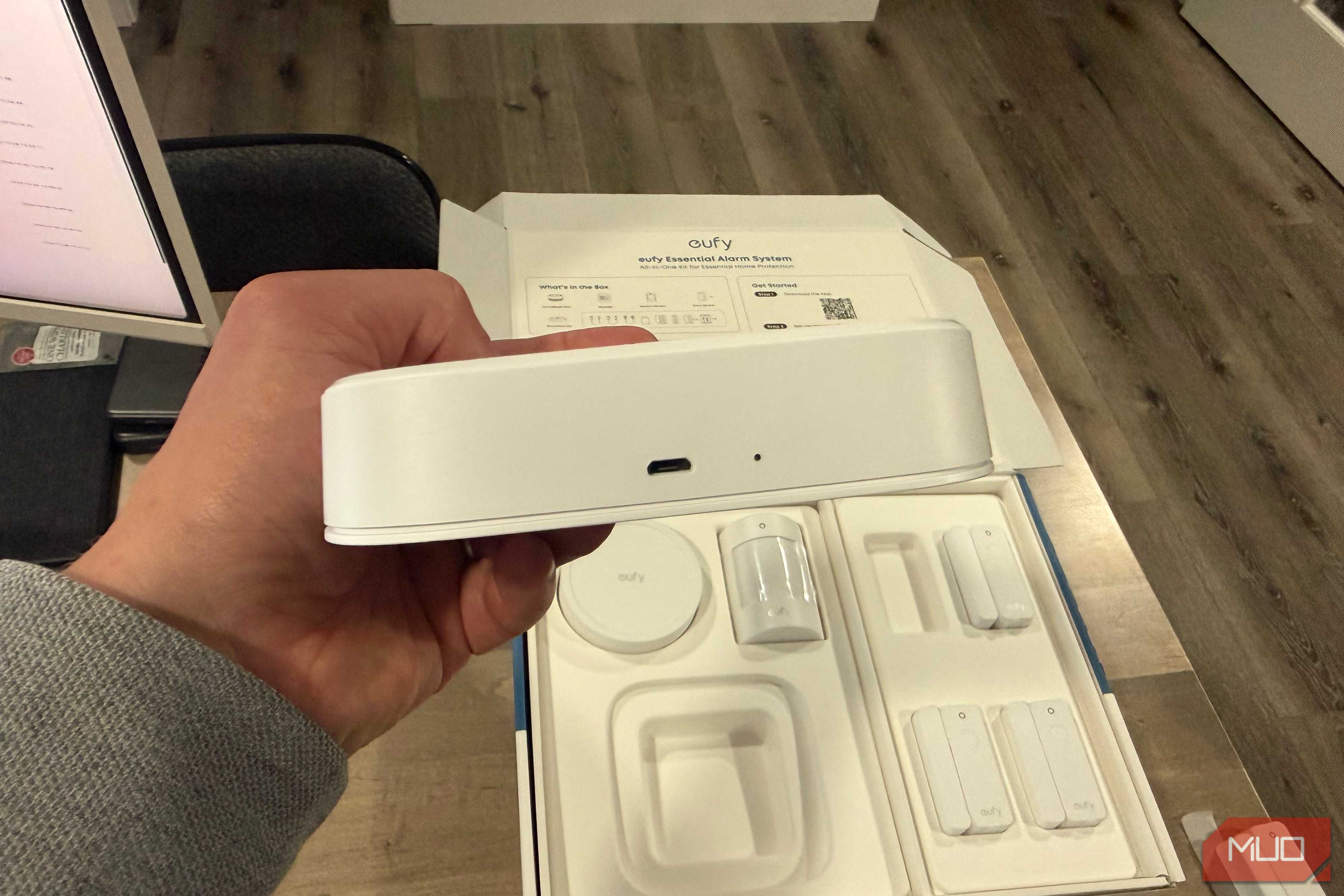
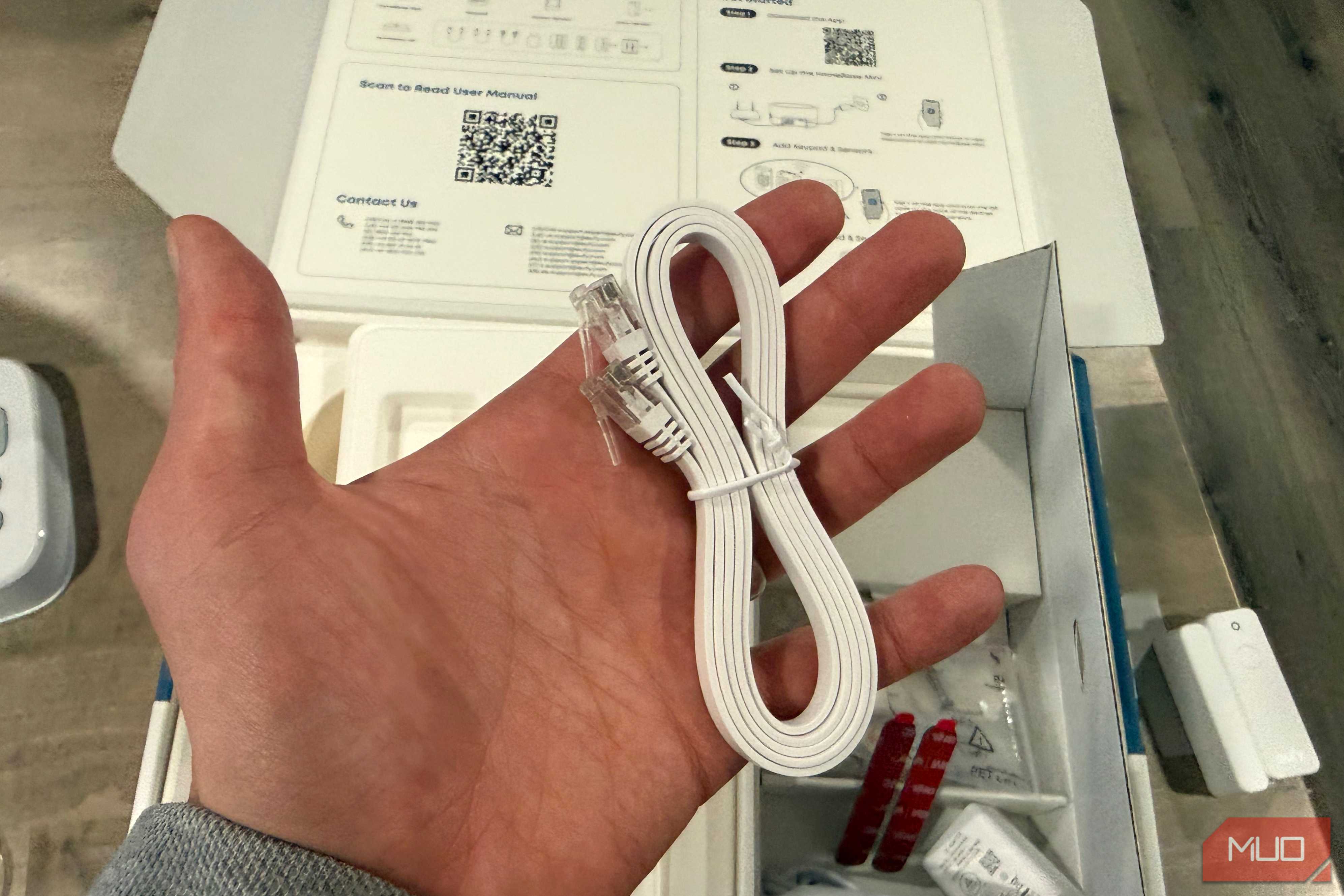
The kit includes seven pieces in total: a HomeBase Mini, a keypad, four entry sensors, and one motion sensor. It sells for $400 on Amazon and on eufy’s website, and there is no mandatory monthly fee.
I was already inclined to trust eufy before the package arrived, since two eufy robot vacuum-and-mop combos already run on schedules in my house. What I didn’t realize was that eufy is part of Anker. When I saw the “Anker Innovations” label in the corner of the box, everything clicked. My desk and car are already filled with Anker gear: USB-C cables, charging bricks, a 3-in-1 stand for my iPhone, Apple Watch, and AirPods, plus several MagSafe battery packs. All of it has held up well, so I expected a solid product. Still, I looked at it with a critical eye.
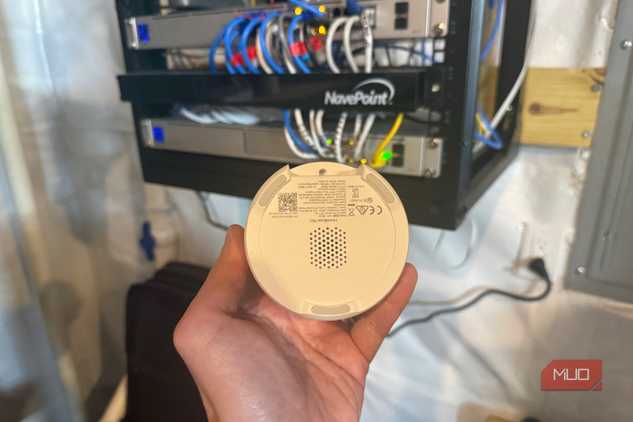
On paper, the hardware is impressive. The HomeBase Mini supports up to 34 sensors and 10 cameras, connects through 2.4GHz Wi-Fi or Ethernet, and includes an 85dB siren. The entry and motion sensors use CR123A batteries rated to last up to five years, and eufy says the system can reach up to 656 feet in open air.
I placed it where my family enters and exits
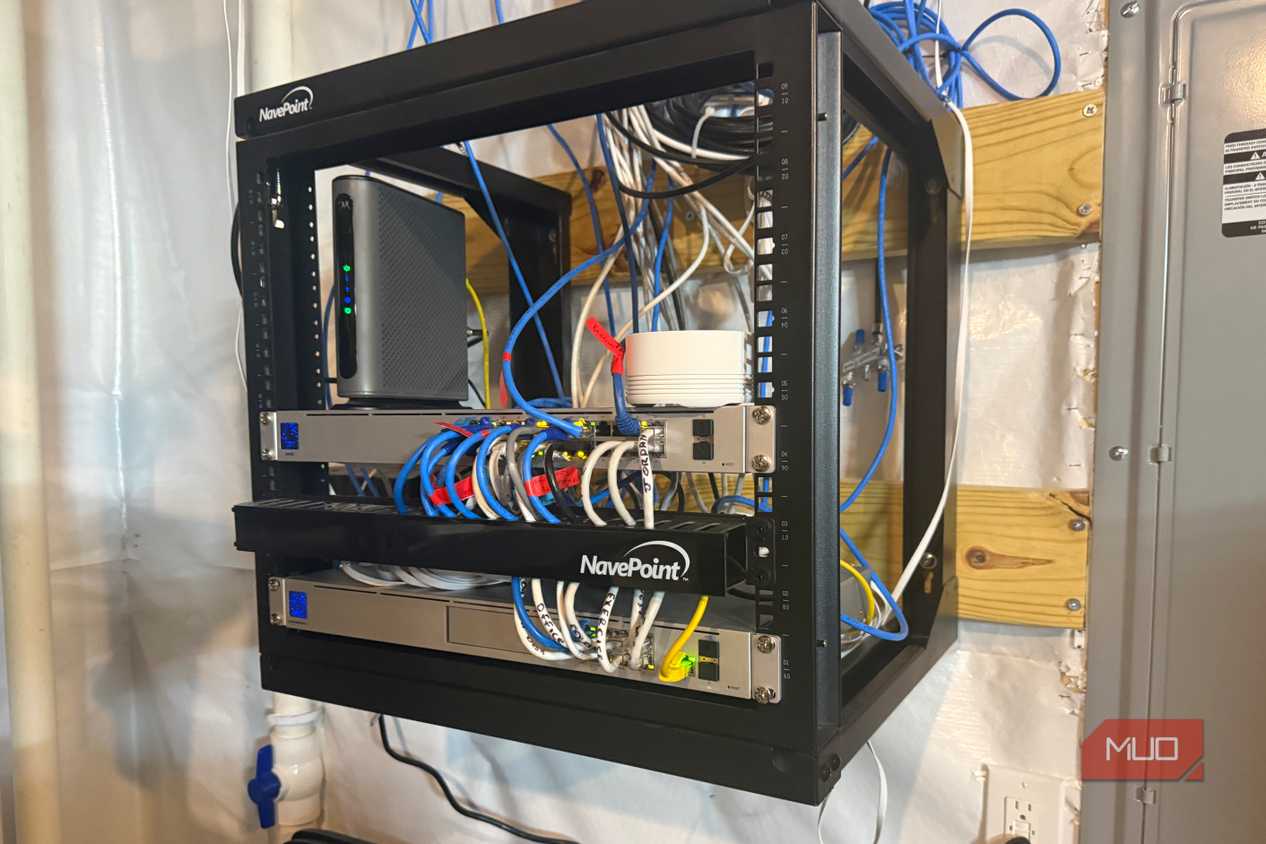
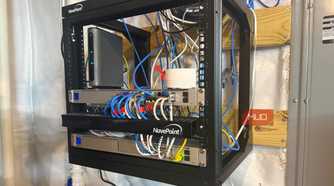
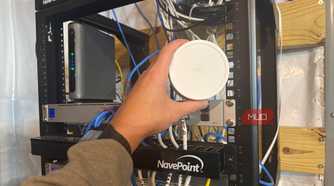
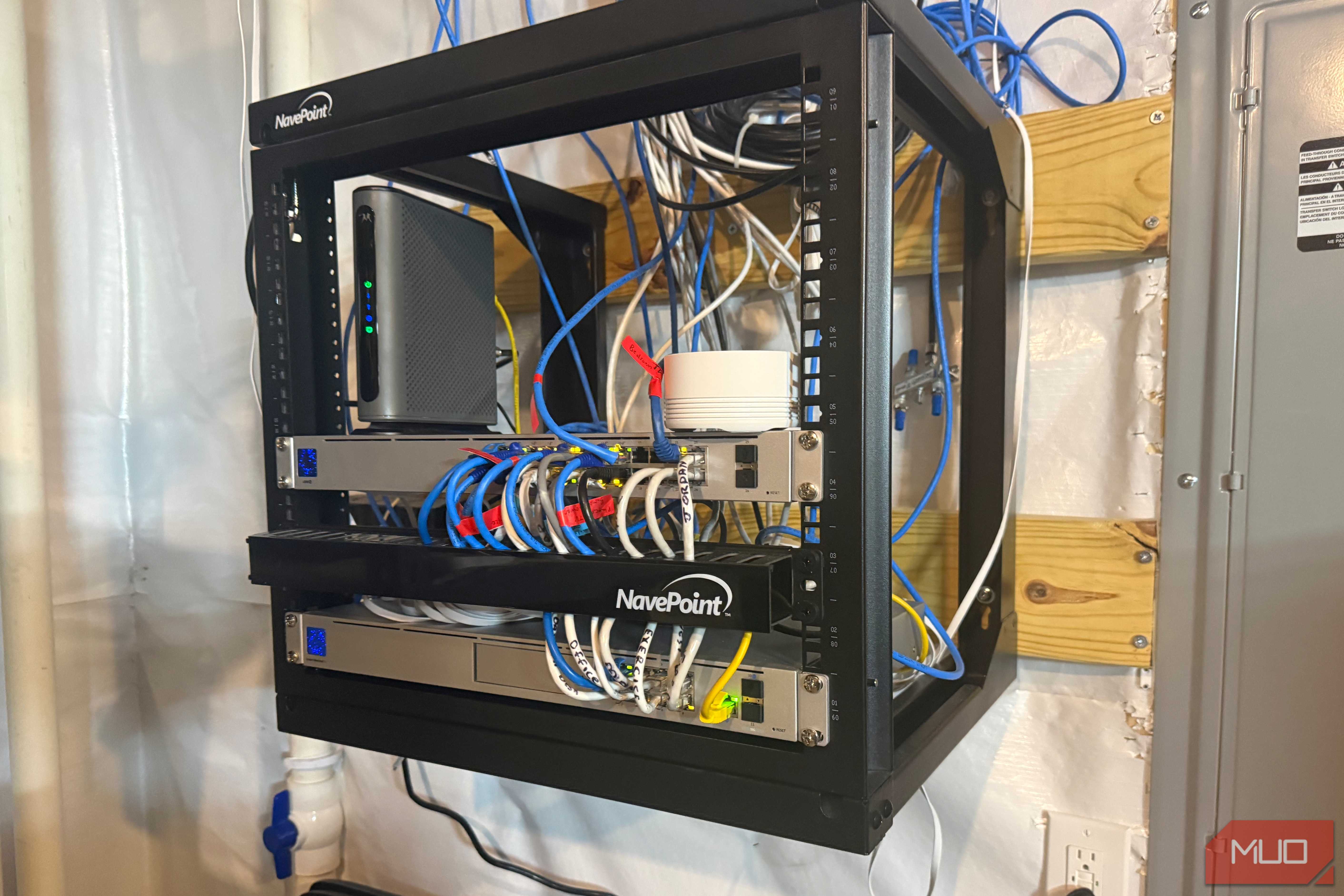
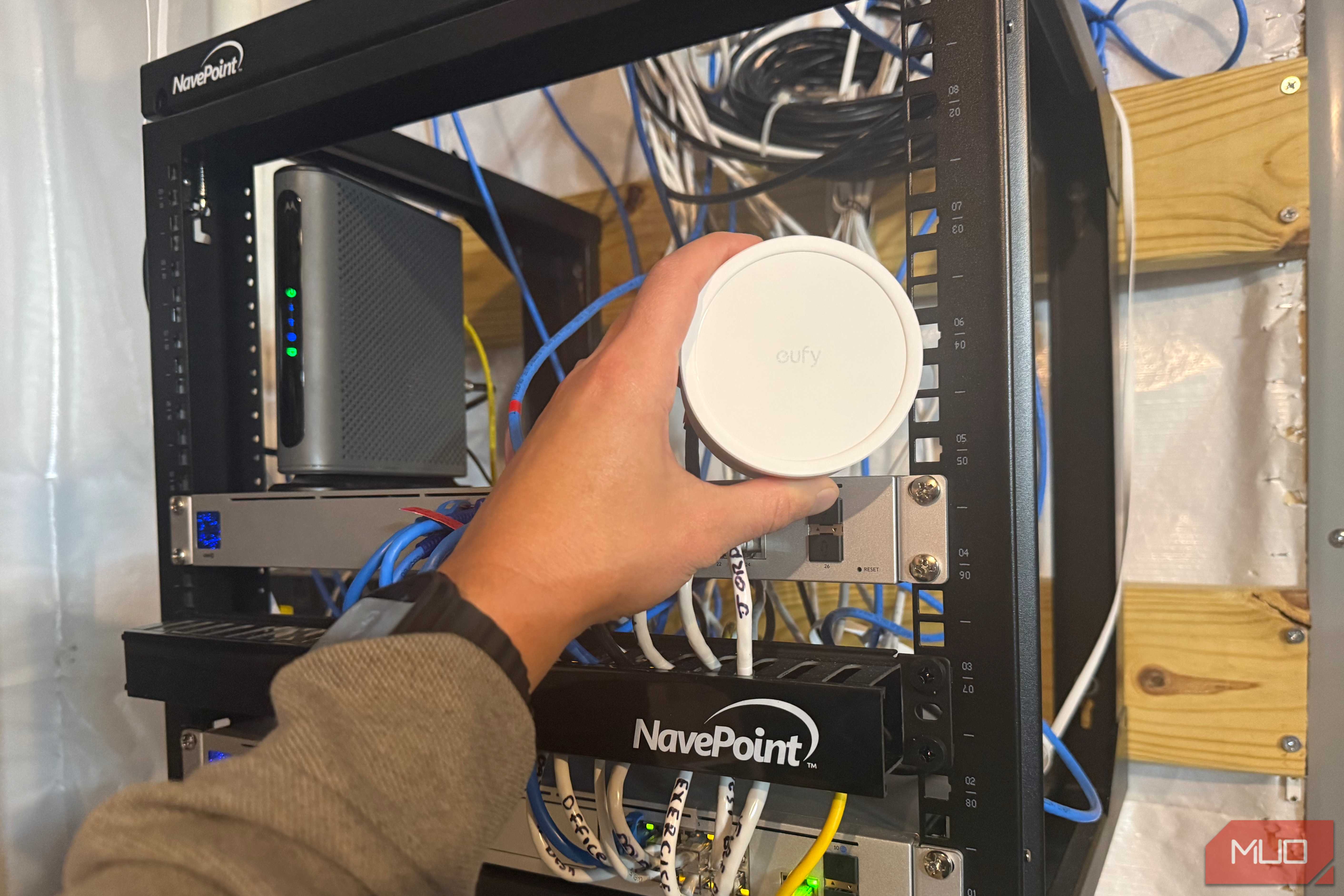
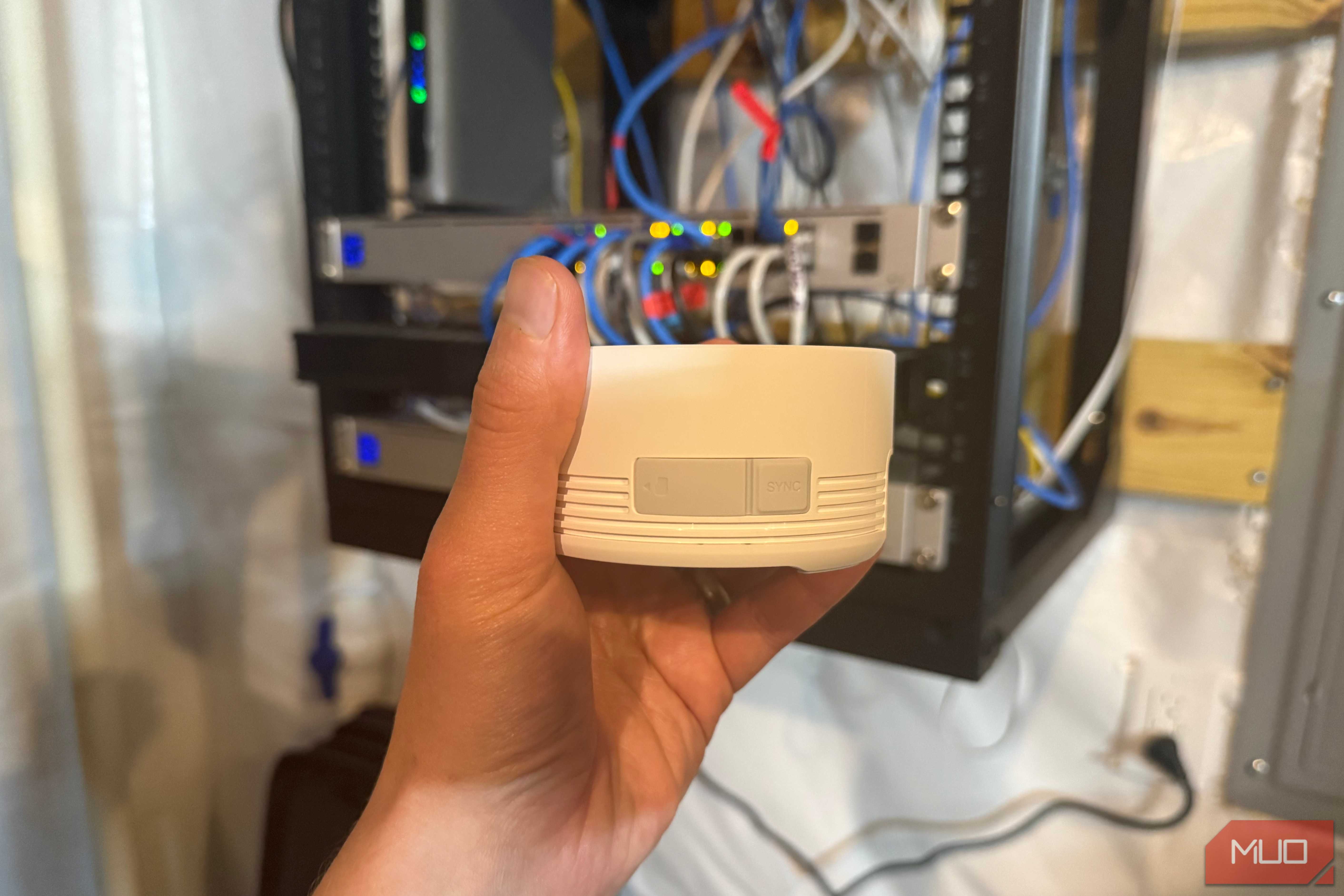
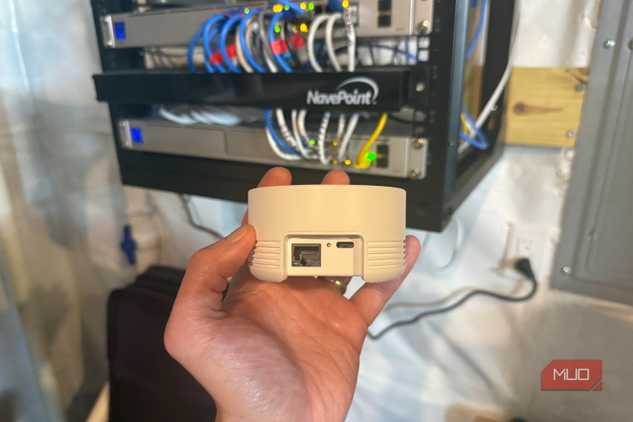
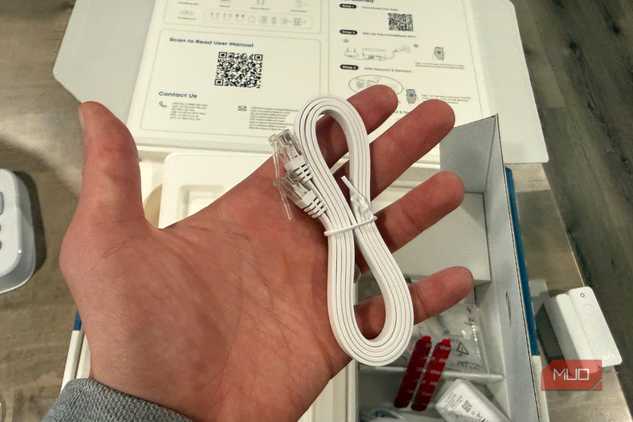
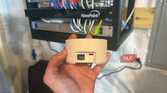
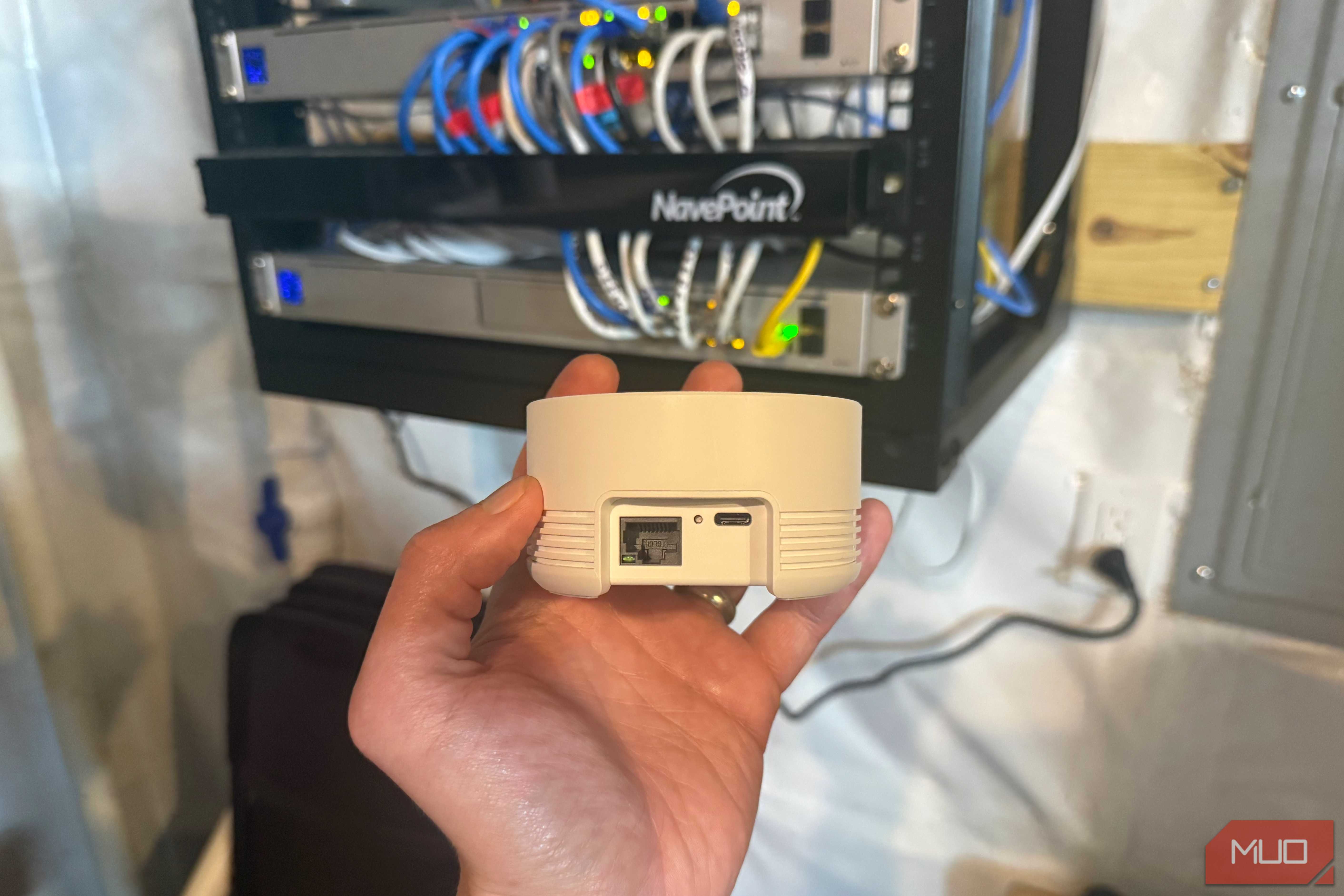
Ethernet in the basement for now
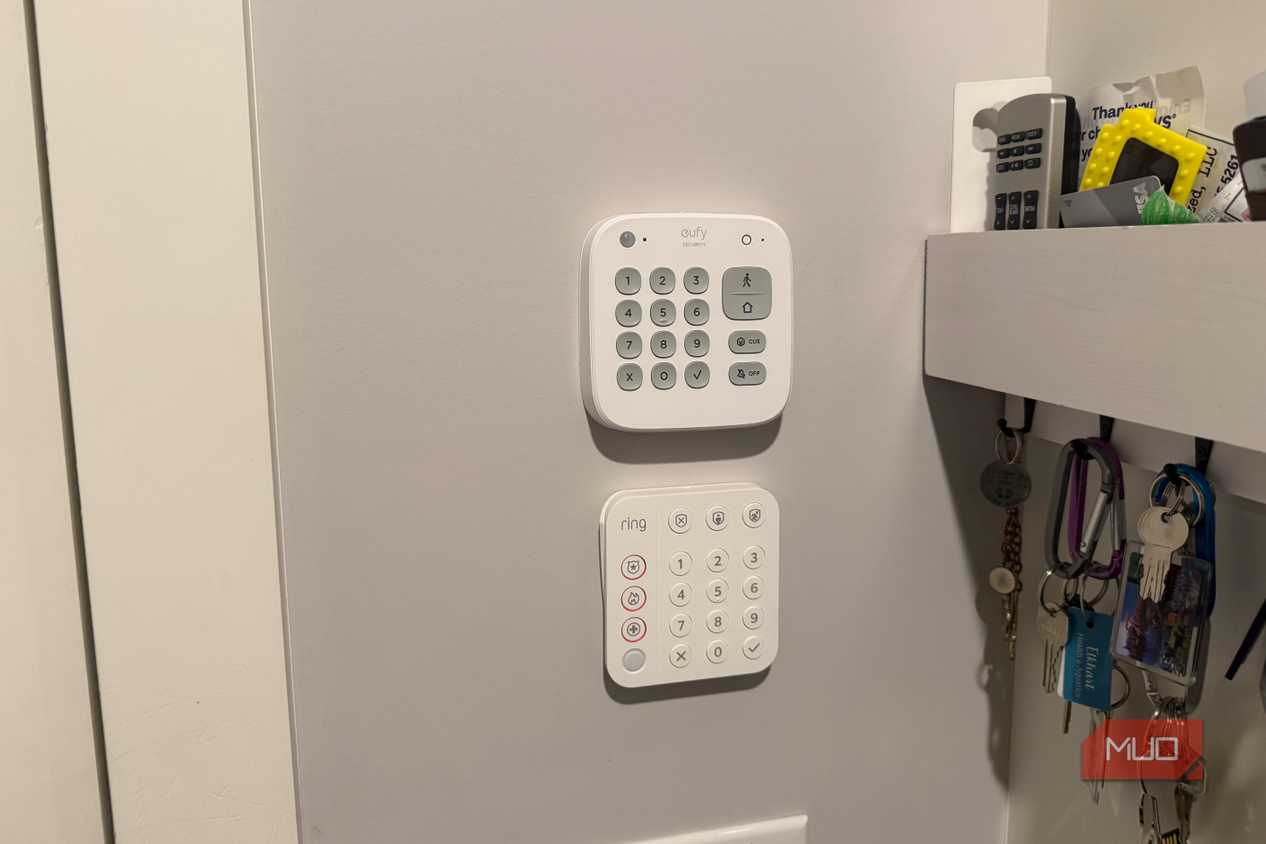
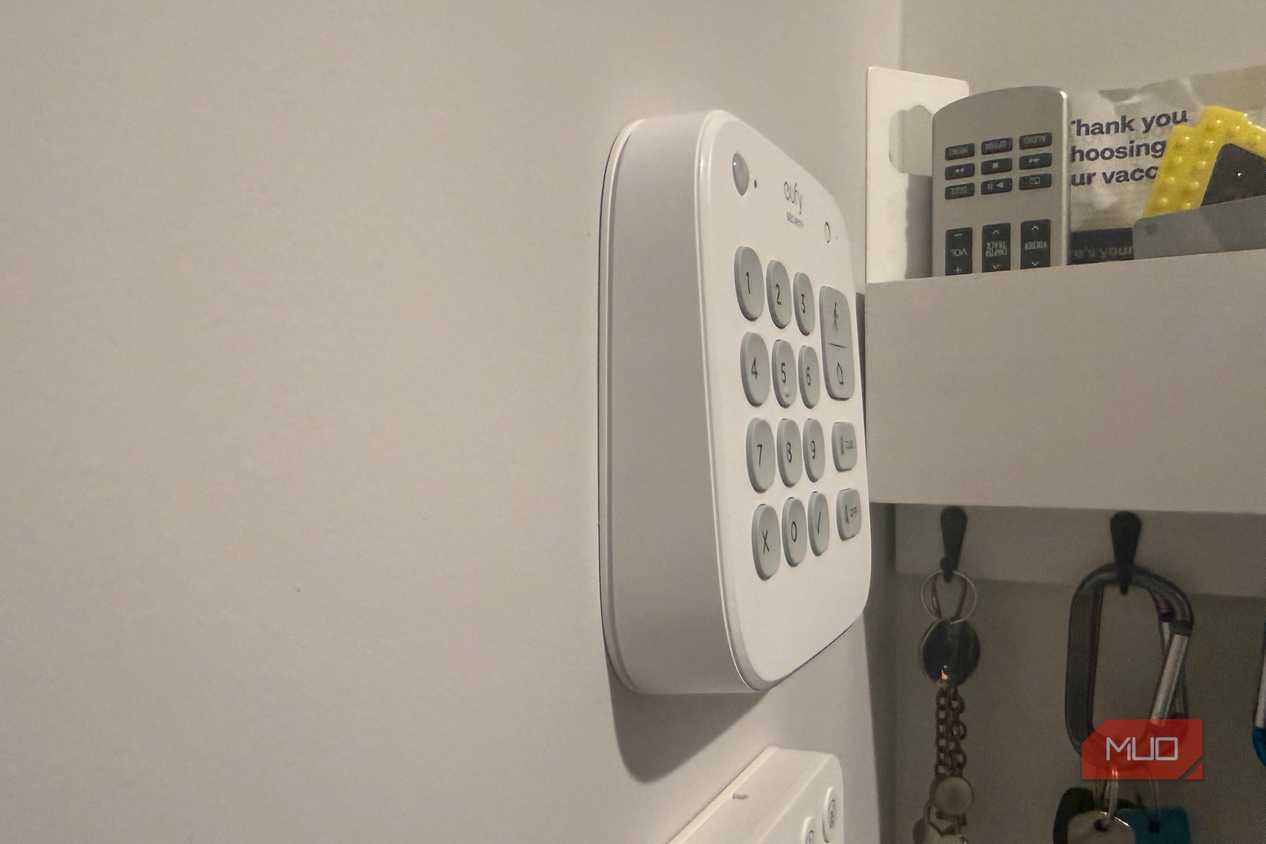
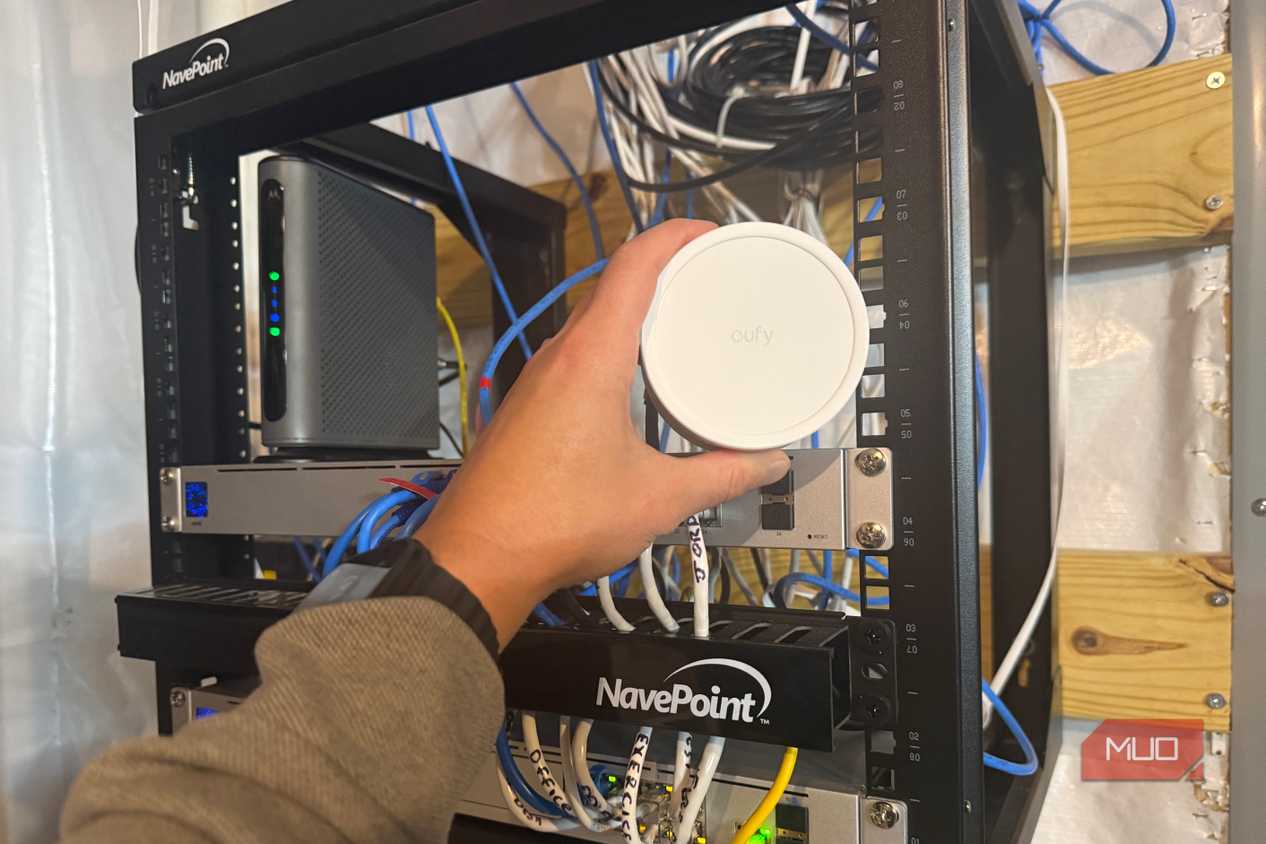
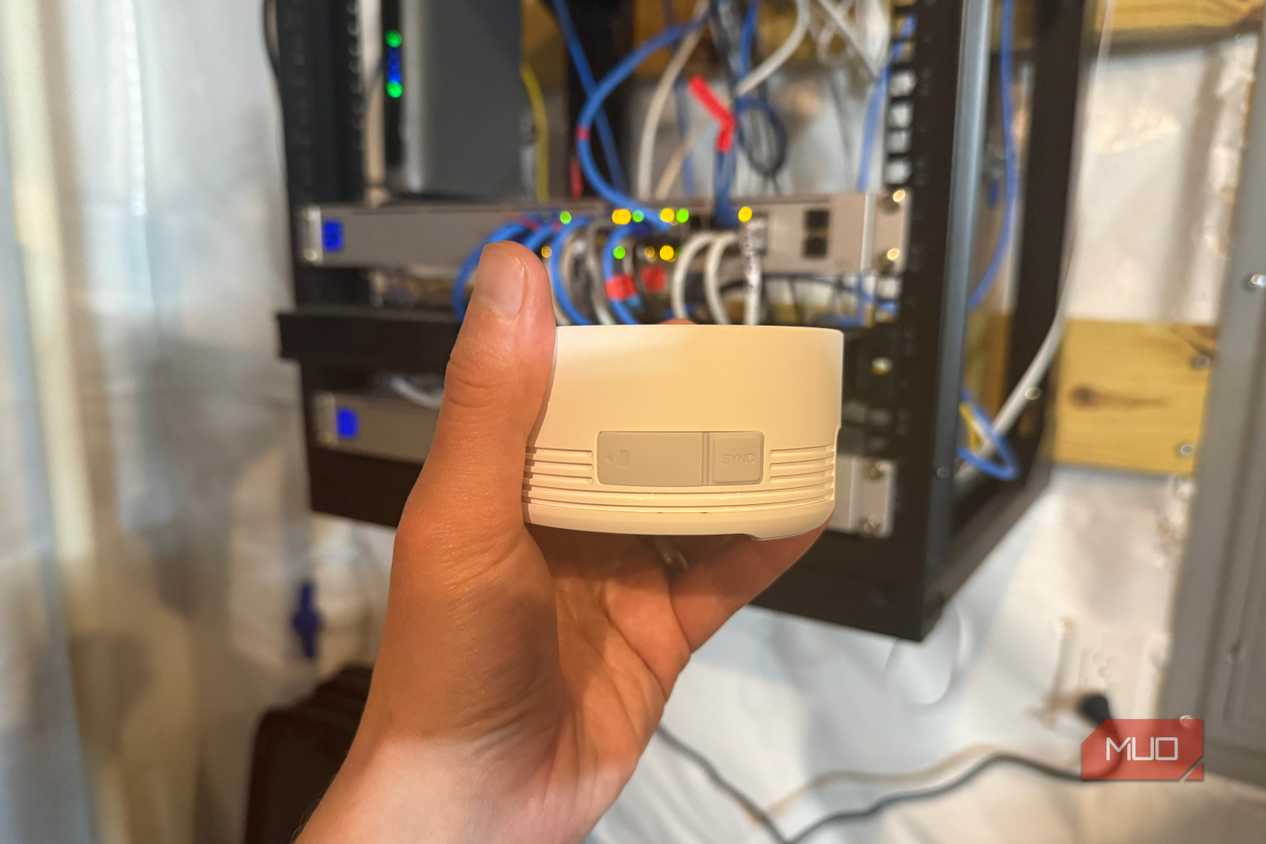
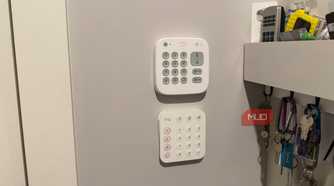
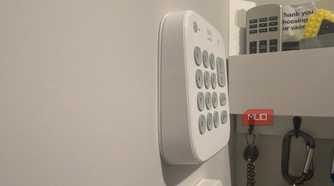
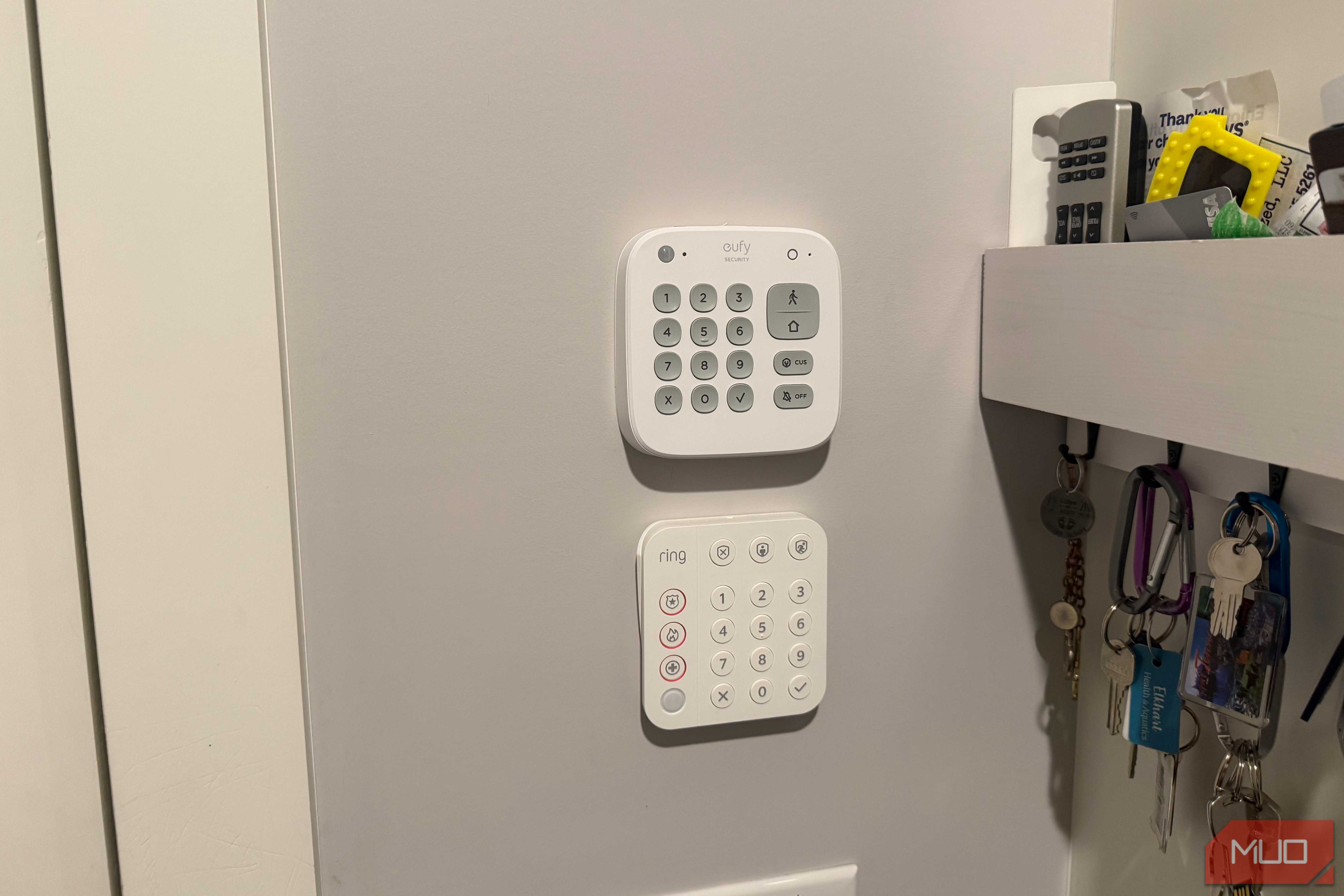
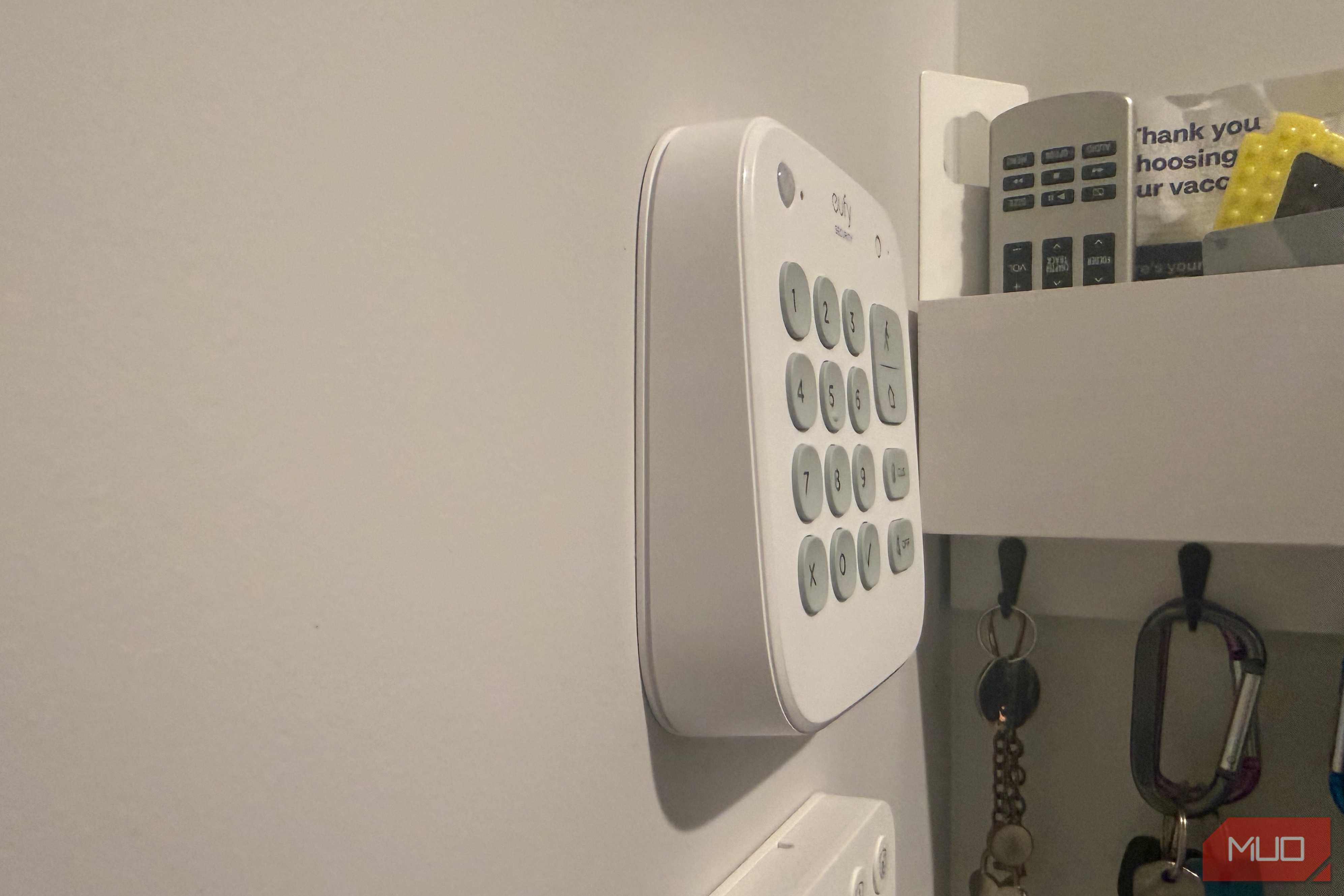
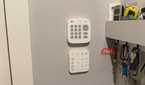
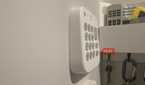

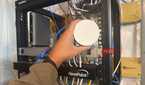
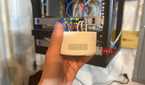
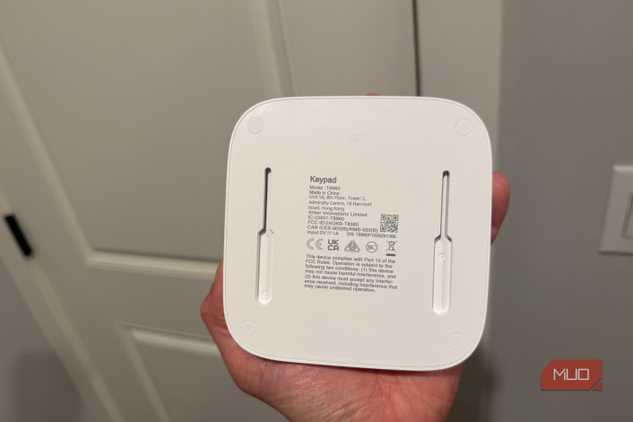
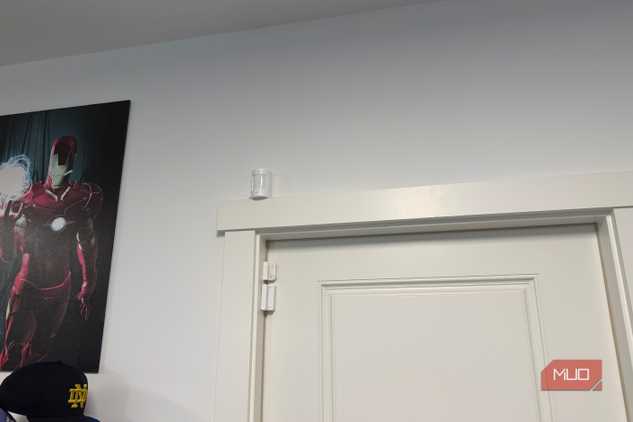
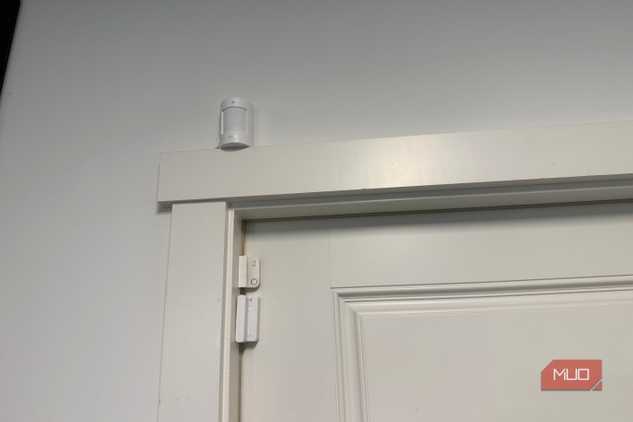
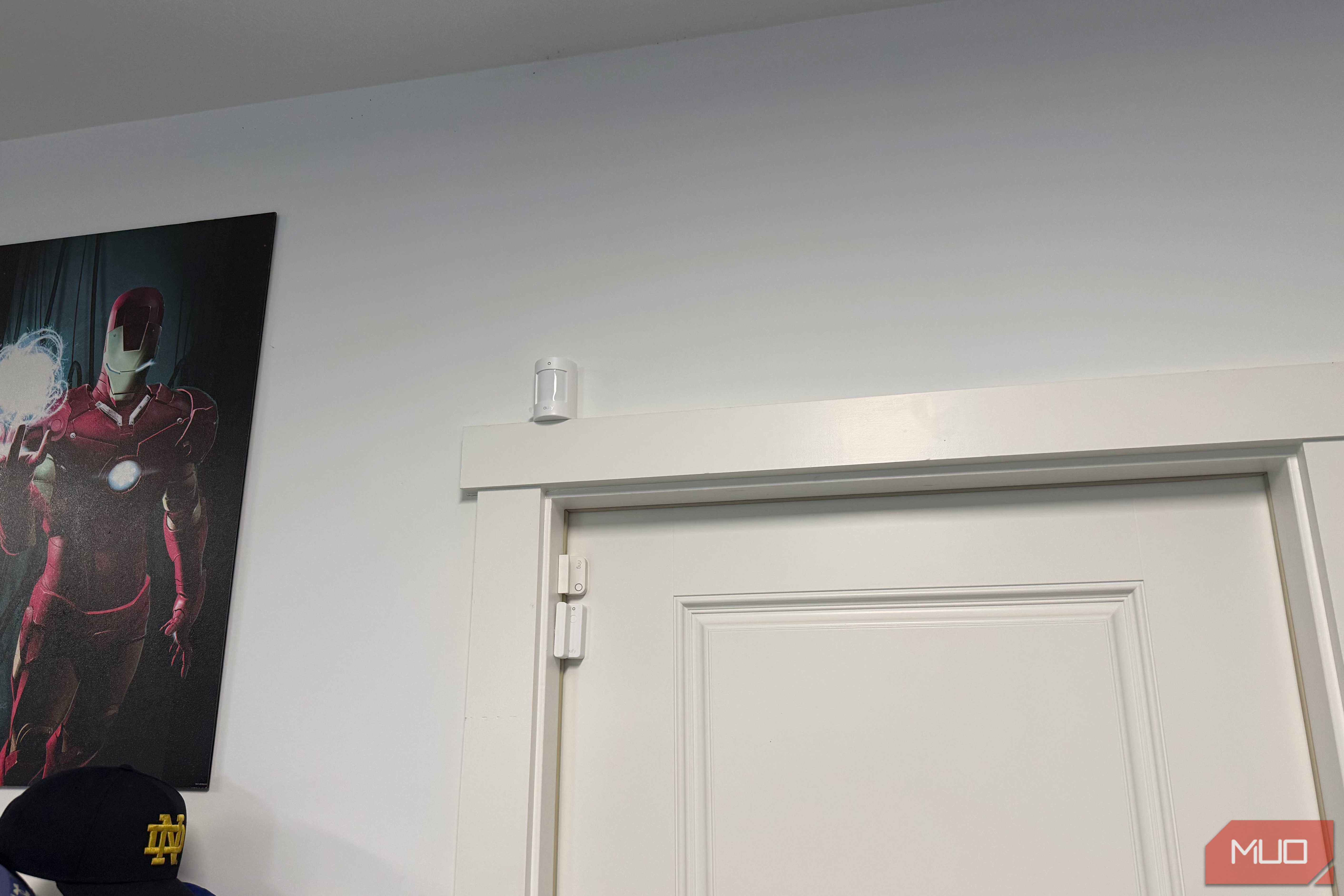
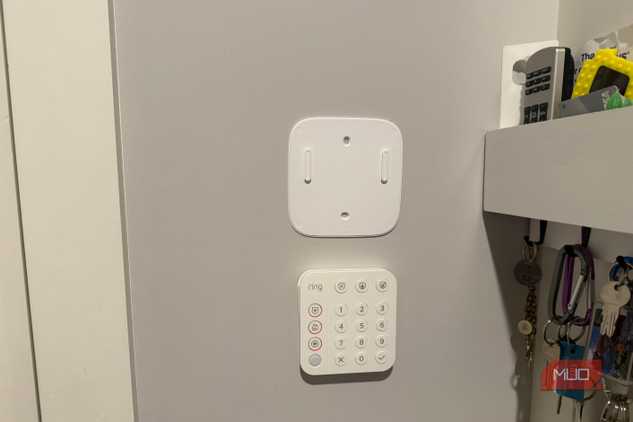
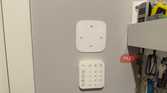
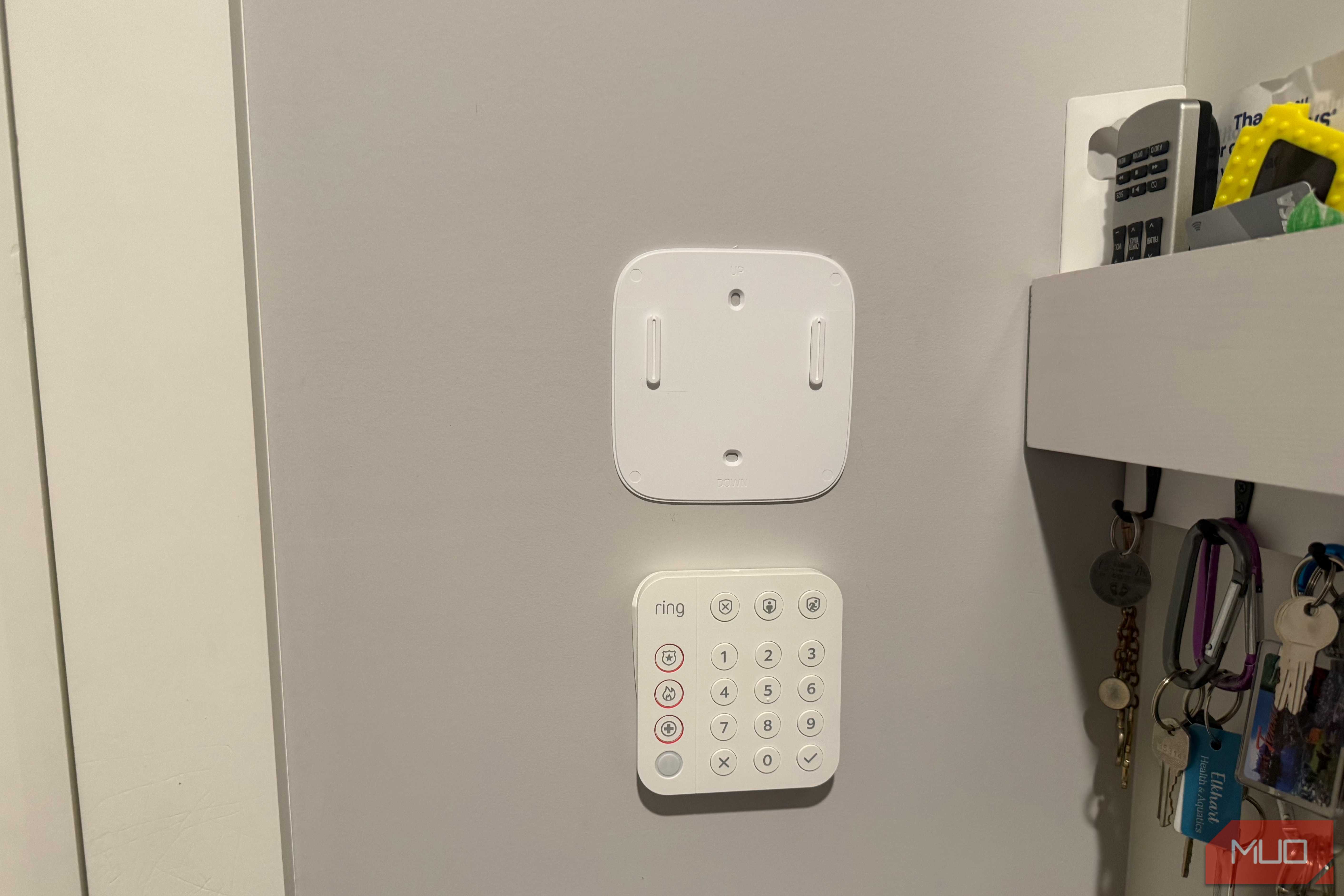
I installed the keypad in our mudroom because that is the entrance we use most often. The motion sensor watches the garage and ignores pets up to 80 pounds. I placed the entry sensors on the front door, the garage service door, the door to our three-season room, and one window.
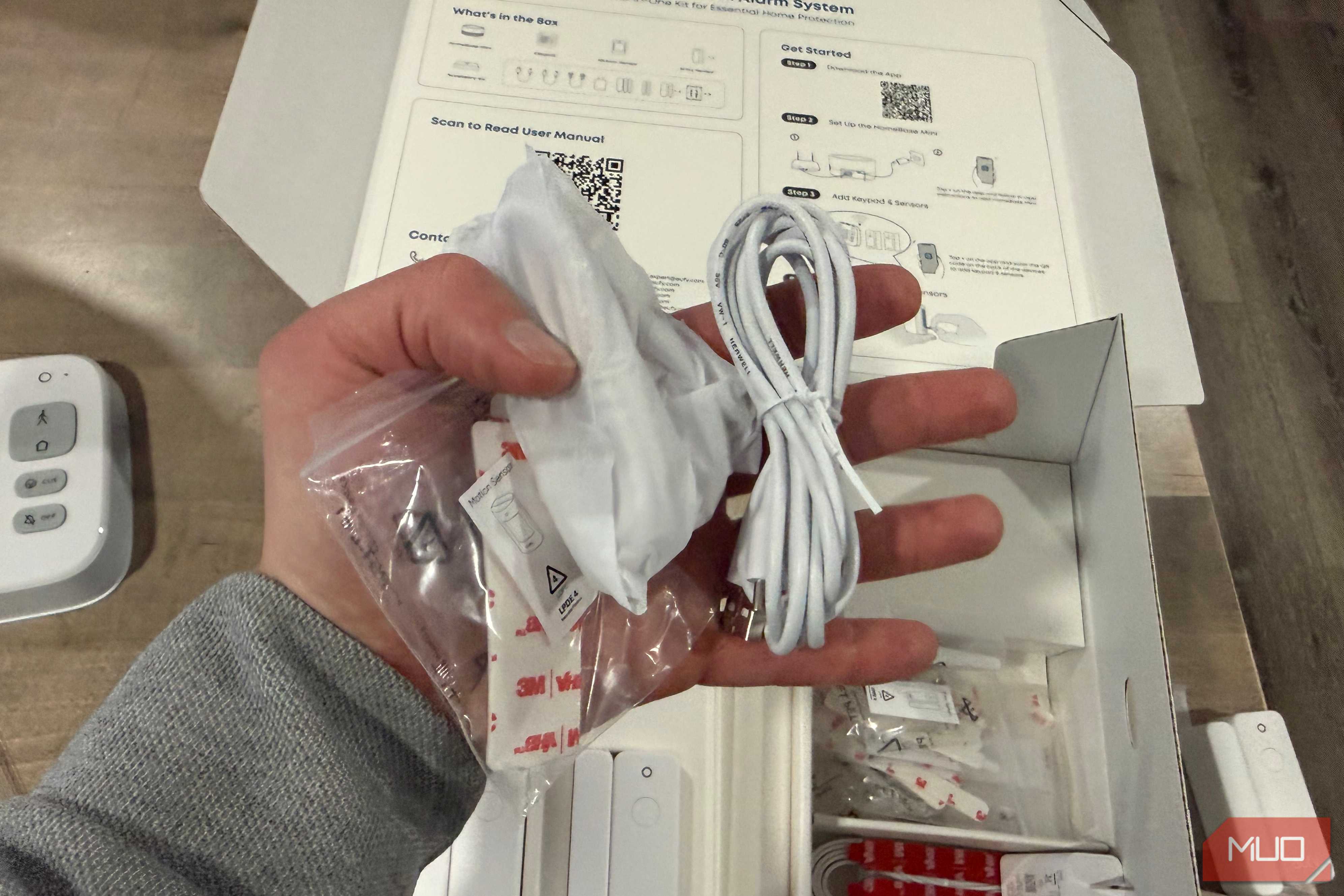
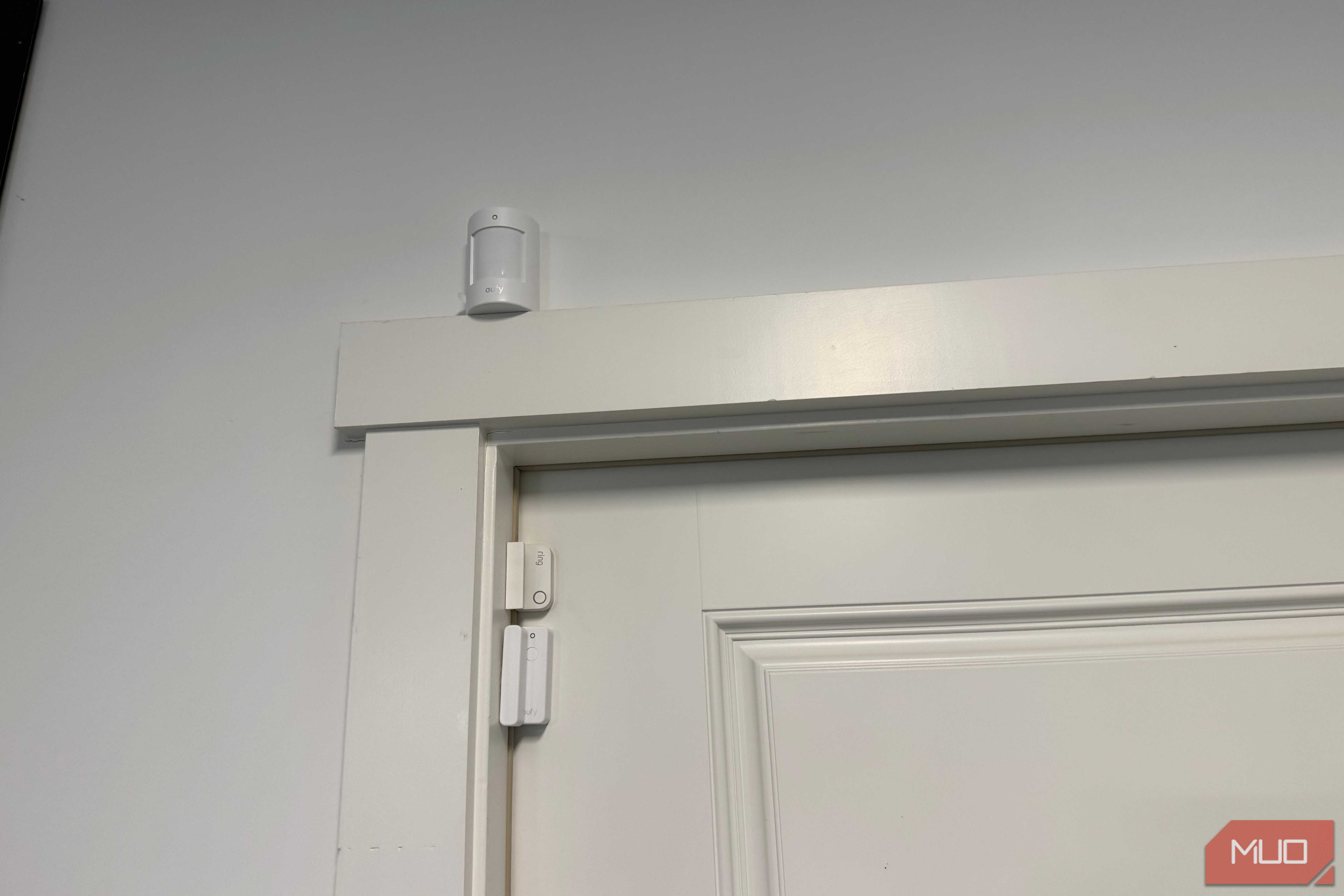
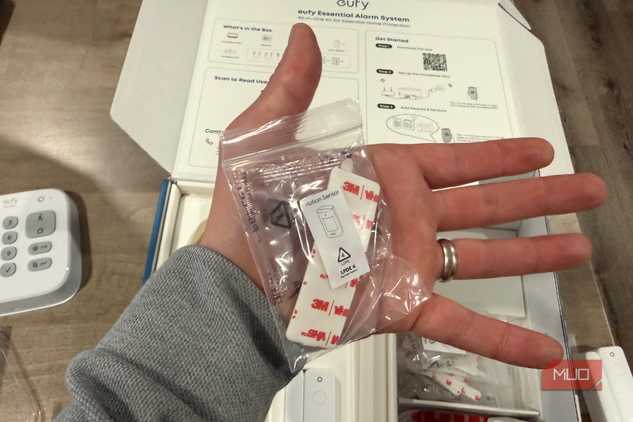
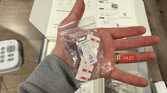
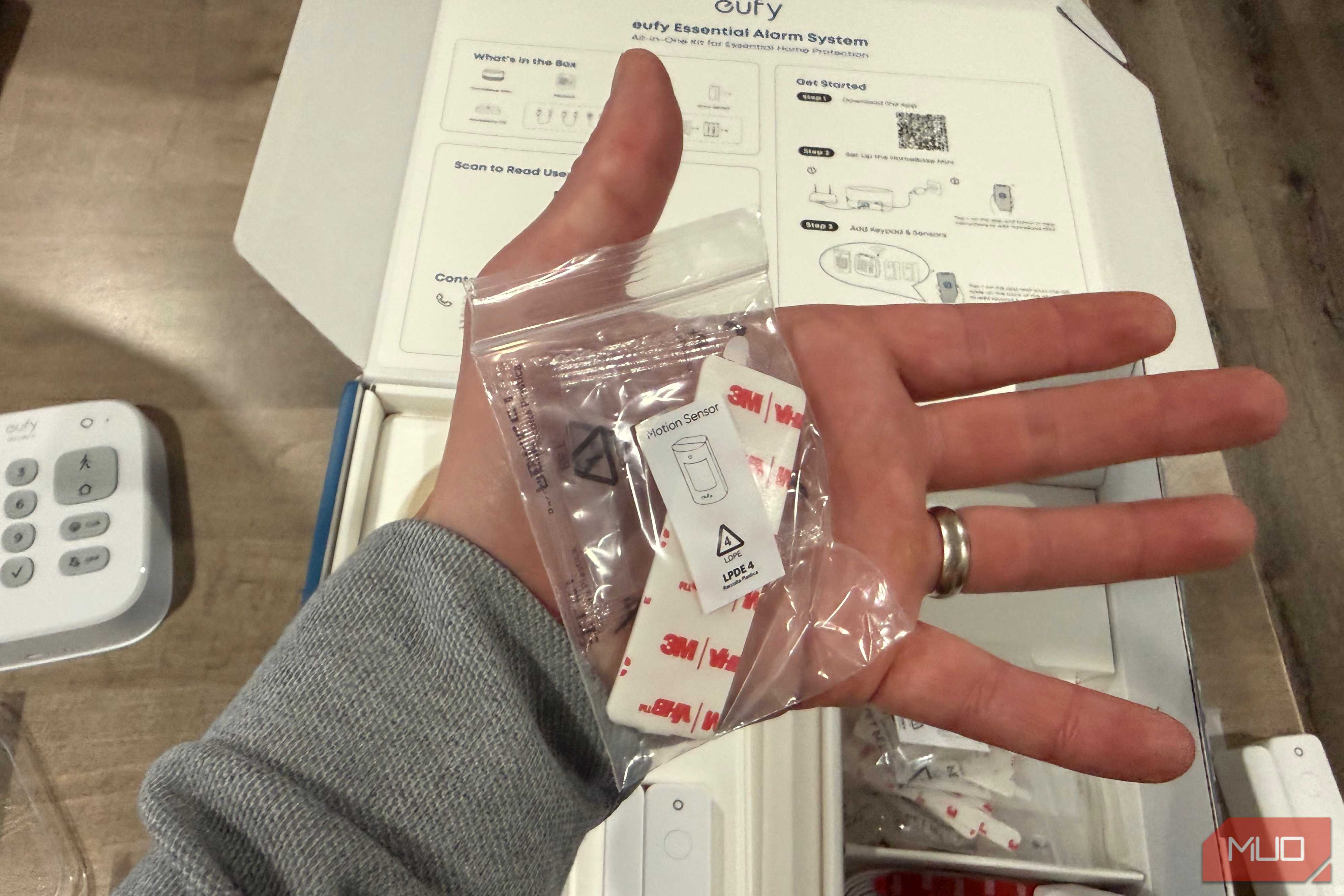
Setting everything up took only a few minutes and required no tools. eufy includes adhesive pads and screws for every sensor and for the keypad. I used the adhesive on everything, and each piece went up with a simple peel-and-press motion, just like my Ring sensors. The entry sensors can also detect from either side, so they work on whichever side of a door or window frame has room.
Each entry sensor includes a bypass button, which lets you open one door while the system remains armed. I would use that constantly on the garage service door, where I already depend on a contact sensor to catch my own mistakes.
I connected the HomeBase Mini to Ethernet beside my router in the basement. The siren was still audible upstairs, and the garage motion sensor did not trigger a single false alarm over two weeks.
If this were my main system, I would move the HomeBase to a more central location and use Wi-Fi instead. A siren in the middle of the house would likely scare off an intruder faster, and everyone in the home would hear it sooner.
Where eufy comes out ahead
The essentials do not require a monthly fee
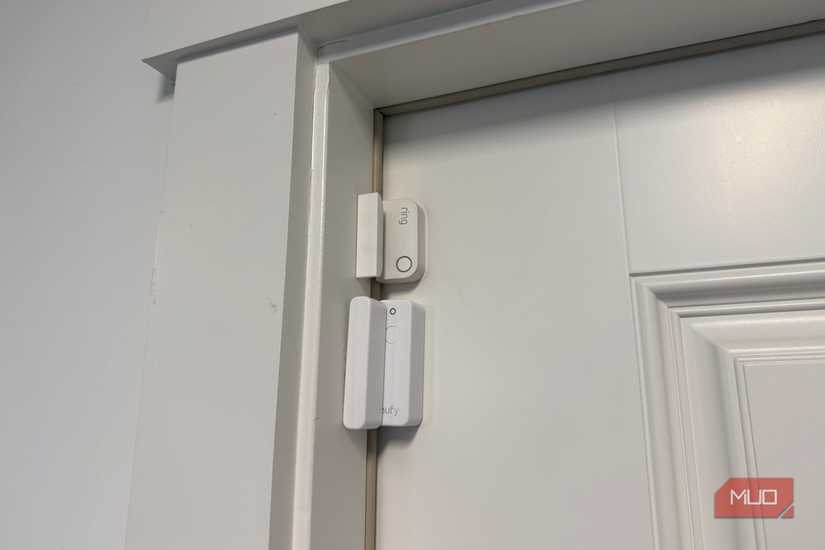
The biggest difference shows up on my credit card statement. Ring requires a Ring Home Standard or Premium subscription to arm and disarm the alarm from the app, along with access to several other in-app features. I pay $9.99 a month for Standard. eufy charges nothing for the same control. Its app and keypad let you switch between Away, Home, Custom, and Disarm modes without a subscription.
Battery life is the next major difference. My Ring contact sensors use coin cells that last about three years. eufy rates its sensors for up to five years on a single CR123A battery, and with dozens of sensors in a house, that means fewer trips up a ladder.
Storage is another advantage for eufy. The HomeBase Mini includes 64GB of built-in storage and supports a microSD card up to 1TB. The alarm sensors themselves do not record video, but if you add eufy cameras or a video doorbell, their footage stays on the base instead of behind a paid cloud plan. Ring stores camera recordings only with a subscription.
The app also impressed me. It is quick, and the menus made sense the first time I opened them.
Where Ring still has the edge
Backup power, a louder siren, and Alexa support

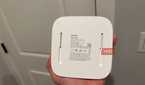

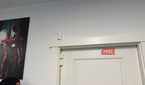
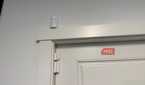
My second-generation Ring Alarm Base Station has a backup battery rated for up to 24 hours, and my Standard plan adds cellular backup if the internet goes down. eufy does not list either feature for the HomeBase Mini. If power or Wi-Fi fails, the eufy system will likely stay silent until both return.
Ring’s base station siren is also rated at 104dB, compared with 85dB on the HomeBase Mini. That difference is another reason I would not want to keep eufy’s base in the basement.
Alexa is the bigger concern for me. Much of my security setup runs through Alexa routines that protect my home, from lights that switch on in sequence to spoken alerts when a door opens. The eufy app says Alexa support applies to cameras, door locks, robot vacuums, and light strips. Alarm sensors are not included, so none of those routines would transfer over.
A few shortcomings
Ads and micro-USB do not fit a $400 system
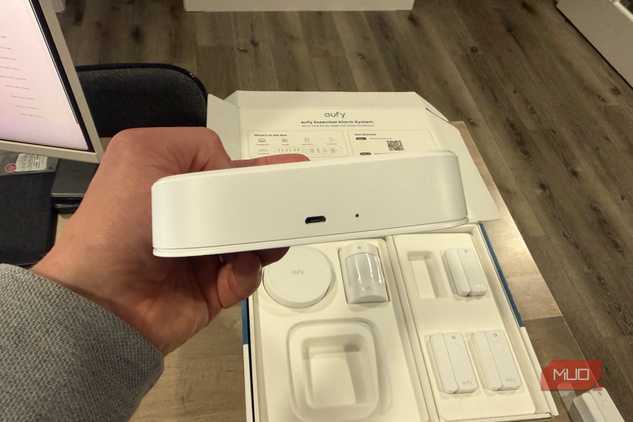


The Anker eufy app includes ads, even when they are promoting its own products. A $400 security system should not advertise while I’m checking whether my doors are secure.
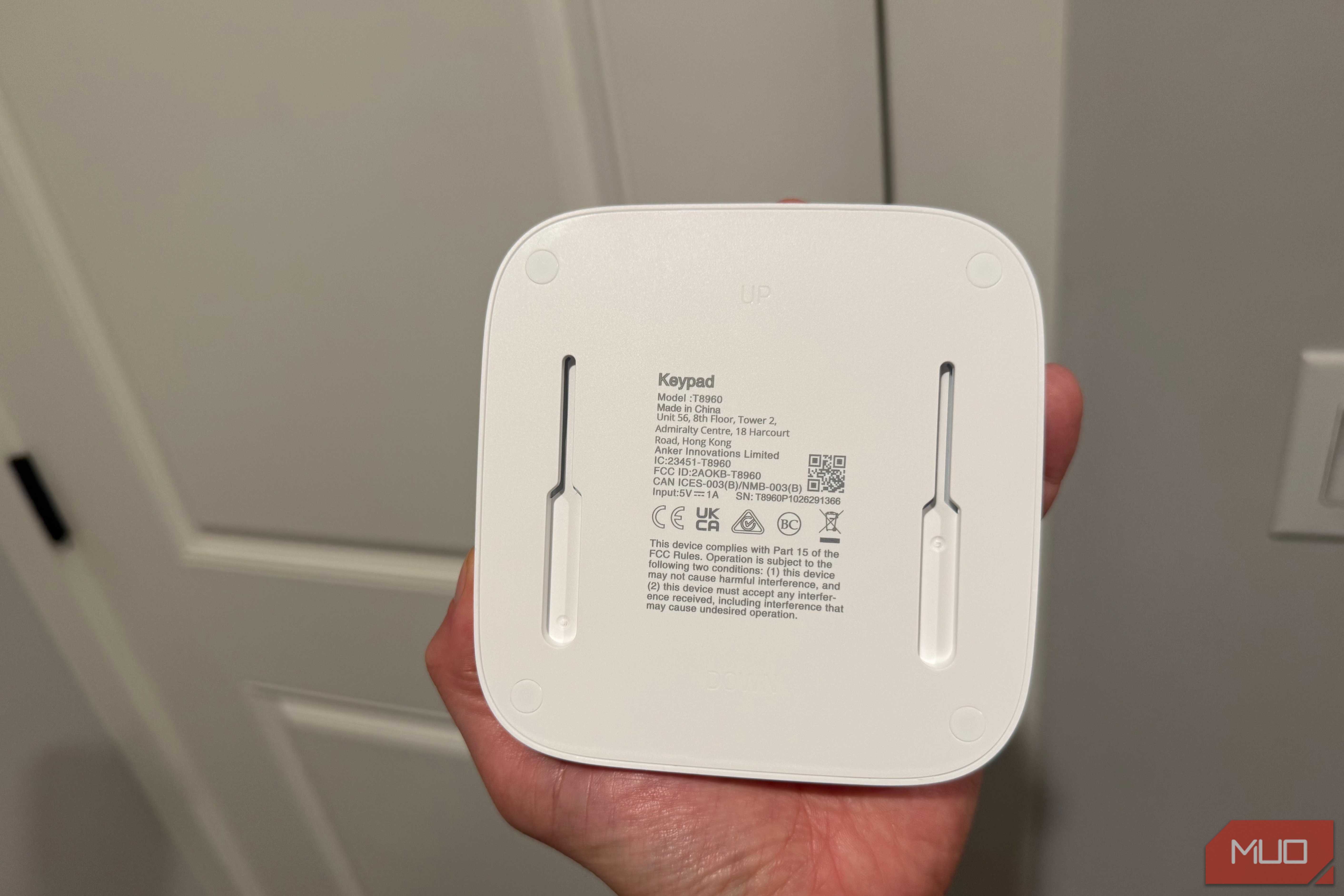
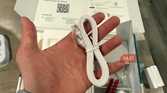
The keypad also charges with micro-USB, while the HomeBase Mini uses USB-C. One kit, two cable standards. It is 2026, and asking for a single charging standard across the platform does not seem unreasonable, even if the keypad only needs a charge about every six months.
Strong system, but not the right time for my house
For now, I’m staying with Ring. I already have about 50 sensors on my walls, so replacing them would not make financial sense, and Ring works with Alexa in ways that eufy’s alarm still cannot match.
But if I were starting fresh, the answer would be different. The Anker eufy Essential Alarm System combines app control, five-year sensor batteries, and local video storage in a one-time purchase, and the sensors gave me no trouble during testing. If you want professional monitoring, eufy also offers an optional 24/7 plan. For a new homeowner, or for anyone tired of paying every month just to use their own alarm, this is the first system I would recommend.
MakeUseOf Recommended
eufy Security Essential Alarm System
- What's Included
- 1 keypad, 1 alarm base station, 1 motion sensor, 4 contact sensors
- Professional Monitoring?
- Optional
- Compatibility
- eufy ecosystem
- Brand
- eufy
More from Digilifetrends
California homeowner quoted $4,000 to fix five solar parts said to cost about $70 each
A California homeowner wondered if they were being overcharged after getting a $4,000 quote for solar repairs.
3 min read · Published 2026-11-06New York homeowner discovers 24 misassigned solar inverters, leading to upgrade offer and $2,500 settlement
A New York homeowner says none of the microinverters on their 24 solar panels matched the equipment listed in the project paperwork, a discrepancy they discovered by examining…
4 min read · Published 2026-11-06HVAC technician installs a $429 heat pump in his cabin after a quote topped $4,000
An HVAC installer said he was able to heat and cool his cabin loft with a $429 heat pump after a distributor quoted him more than $4,000 for a different system.
3 min read · Published 2026-11-06