If you are planning a kitchen remodel and think granite is the only durable countertop option, there are plenty of others worth considering. Many countertop materials are tough, heat resistant, and far less expensive than the granite slabs you may have in mind.
Some alternatives, such as quartz, can cost about as much as granite but may require less upkeep. Others, including laminate, are significantly cheaper and can still look attractive and last for years when chosen carefully. You can also go with ceramic or porcelain tile for added design flexibility and lower prices, or choose butcher block if you are willing to maintain it properly. Here are 11 granite alternatives that may help stretch a kitchen renovation budget without sacrificing style or function.
Porcelain delivers a custom look for less
Tile countertops can give a kitchen a classic look, and porcelain offers much more customization than granite. It is also notably cheaper to install. Based on HomeAdvisor's average countertop pricing, granite can run from about $15 to $140 per square foot, including materials and installation. Porcelain tile, by comparison, is listed at roughly $3 to $28 for the same scope of work.
There are a few tradeoffs to keep in mind. Porcelain is durable, but it can be more vulnerable to chips and cracks than granite. Because tile countertops are made from individual pieces, grout lines must be maintained and may eventually need replacement. Still, the installation and upkeep are often more DIY-friendly than granite fabrication, and the wide range of colors makes it easy to personalize a kitchen.
Slate fits a modern style and can cost less than premium granite
Slate countertops bring natural texture and color to a kitchen, and they are highly durable. The question is whether they are cheaper than granite. In some cases, yes. HomeAdvisor places installed slate countertops at about $20 to $60 per square foot. That means slate may cost more than the lower end of granite pricing, but it can be much less expensive than high-end granite projects involving rare slabs or difficult installation conditions.
Slate does have drawbacks. It can chip more easily than granite, and the edges may feel sharp unless rounded by the installer. Its appearance is usually more uniform than granite's textured look. Even so, it is heat resistant, simple to clean, and less porous than granite, which helps it resist staining.
Butcher block is a classic option that costs less than granite
Wood is often one of the first materials people consider when looking beyond stone countertops. Butcher block, including oak, has been a kitchen staple for more than a century and is far cheaper than granite. HomeAdvisor puts installed wood or butcher block countertops at around $10 to $38 per square foot, which is below granite at both the low and high ends.
Granite is valued for durability, but butcher block can still last a long time, with a lifespan that may range from 20 to 50 years. It can be sanded and resealed multiple times, helping it stay functional and attractive. Regular maintenance is important, including oiling every two to three years to protect it from spills and food. While wood does need care, it is easier to repair than granite if it becomes chipped or burned.
Laminate is one of the cheapest granite alternatives
Laminate remains one of the most common alternatives to granite, and it is also among the least expensive. HomeAdvisor estimates installed laminate countertops at about $8 to $27 per square foot. That is far below granite, especially at the upper end. The downside is that buyers can make mistakes when choosing laminate, particularly if they do not see a sample in person before ordering.
Even so, laminate can still produce an upscale look if selected carefully. It is waterproof and easy to clean, and it does not need periodic sealing. It also comes in many colors and patterns, making it versatile. Compared with granite, it is easier to install yourself, which can lower costs further. It is not as heat resistant as granite and can be difficult to repair if damaged, but replacement may still cost less overall than granite installation.
Quartz may cost more upfront, but it can pay off over time
Quartz is not always a budget option at the start, and it can actually cost more than granite in some cases. HomeAdvisor lists quartz countertop installation at roughly $50 to $200 per square foot, including materials and labor. At the top end, that is more expensive than even the highest granite pricing. But quartz has long-term advantages that may make it worthwhile.
Unlike porous granite, quartz is non-porous and does not need sealing. That makes it far less likely to stain and reduces ongoing maintenance. Many people replace quartz simply to update the look of a kitchen, not because the surface has failed. For homeowners focused on durability and lower maintenance over time, quartz can be a cost-effective choice.
Limestone is attractive and less expensive, but it needs upkeep
If quartz feels too expensive, limestone is another natural option to consider. HomeAdvisor estimates installed limestone countertops at around $10 to $70 per square foot. That makes it much more affordable than premium granite installations and a strong choice for cost-conscious remodels.
Limestone has its own considerations. Like granite, it is porous and can stain or be damaged by acidic foods and harsh cleaners, so it should be sealed regularly, ideally once a year. Its appeal lies in its soft, earthy look, which fits current interior design trends. It also offers a more delicate texture and pattern than granite, with a surprisingly wide range of shades.
Travertine usually costs less than granite, though prices vary
Travertine is another affordable natural stone option, with installed costs generally between $11 and $35 per square foot. It is a type of limestone formed in mineral-rich environments, and its natural process gives it both strength and distinctive visual warmth. Its earthy color palette and one-of-a-kind slabs can make it feel special in a kitchen.
There are some downsides. Travertine is porous, so it requires sealing and careful cleaning. Spills should be wiped quickly to help prevent staining. On the plus side, it is highly heat resistant, which makes it a practical choice for kitchen use. Pricing also varies depending on the format: large travertine slabs tend to cost more, while smaller travertine tiles can be considerably cheaper.
Paper composite countertops are tougher than they sound
Paper composite countertops, which are made from recycled materials, may cost less than some granite installations. The exact comparison depends on the granite being considered. Entry-level granite can start around $15 per square foot installed, while paper composite surfaces may begin near $45. At the higher end, however, paper composite tops usually top out around $70 per square foot, which is well below premium granite.
These countertops are made by binding recycled materials, often including paper, with strong resin. Brands such as PaperStone produce surfaces that resemble slate or soapstone. Although they are manmade, they can age in a way that is similar to hardwood. They are non-porous, resistant to staining, and durable enough to stand up to everyday use. They are not especially heat resistant, but trivets or heat mats solve that issue, and many can even be sanded to remove scratches or burns.
Corian is cheaper than high-end granite
Corian countertops offer several benefits over granite, including a seamless appearance once installed and the ability to be repaired if something goes wrong. Cost is another advantage. Slabwise estimates installed Corian solid surface countertops at roughly $45 to $100 per square foot, including labor and materials. That can be slightly above lower-end granite, but it is often much less than the cost of premium granite.
Corian is made from a blend of natural minerals and resin, which is cured and hardened into a durable solid surface. It can still scratch, and hot pans can damage it, so the use of trivets or mats is recommended. However, it requires very little maintenance and is easier to repair than granite if damage does occur.
Ceramic is among the most affordable granite substitutes
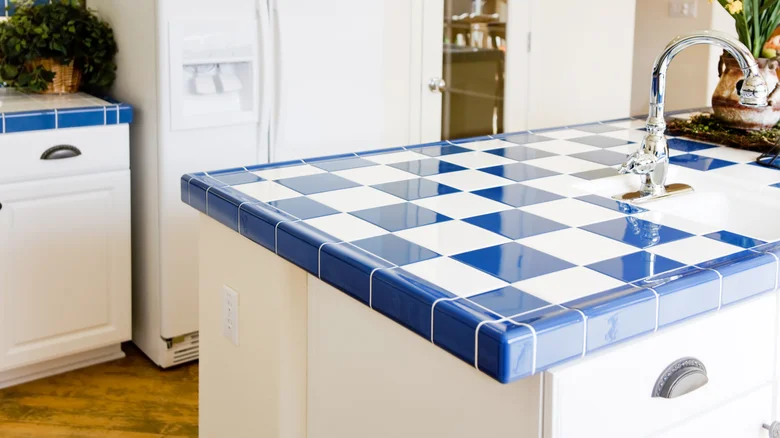
Ceramic tile is one of the least expensive ways to replace granite in a kitchen. At the low end of HomeAdvisor's pricing, ceramic tile countertops can cost just $1 per square foot installed, making them dramatically cheaper than granite. Even at the high end, the price may only reach around $10 per square foot, still far below the top-end granite figure.
Beyond the price, ceramic offers plenty of practical advantages. It comes in many colors and styles, resists stains, and does not require sealing because it is impermeable. It is also tough and easy to maintain, though the grout lines do need care to prevent mold and mildew. The one thing it may lack is the seamless look some homeowners want, but for those willing to embrace tile, it is a strong budget-friendly option.
Concrete countertops are durable and cost-effective
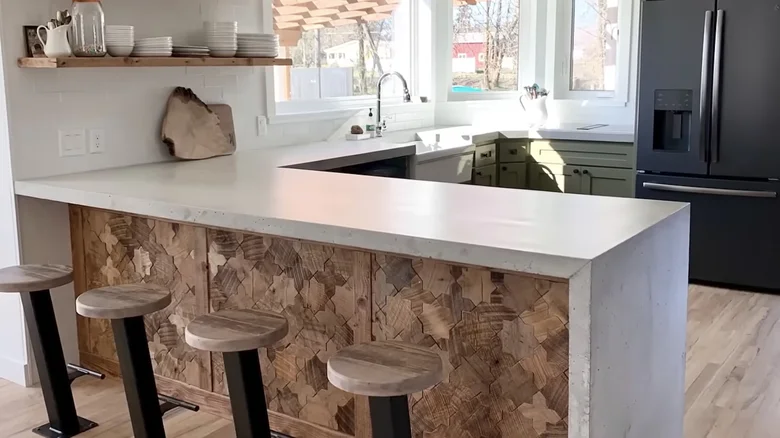
Concrete countertops are not as inexpensive as ceramic, but they remain one of the more affordable countertop materials and can still compare favorably with premium granite. Installed concrete counters generally cost about $50 to $100 per square foot. At the upper end, that is still less than high-end granite, and the material is also more DIY-friendly, which could reduce labor expenses even further.
Concrete is durable, though it can crack more easily than granite. The good news is that those cracks are usually repairable. Like granite, concrete is porous and must be sealed to prevent staining. It is also more versatile than many people expect, since finishes can be adjusted to achieve a glossy look or even mimic the appearance of natural stone.
More from Digilifetrends
Homeowner considers a $2,000 to $5,000 solar setup to run one dehumidifier
A homeowner looking to use solar power for a commercial dehumidifier is learning that even one appliance can draw a significant amount of electricity. One commenter estimated that…
2 min read · Published 2026-11-07Minnesota homeowner says solar panels and years of EV driving cut nearly $40,000 from his costs
According to a City of Bloomington profile, a Minnesota homeowner says solar panels and more than a decade of driving electric vehicles have helped him save nearly $40,000.
3 min read · Published 2026-11-07Plumber warns after Texas toilet fix reveals an expensive freeze-related plumbing problem
In one Amarillo, Texas, home, even touching the pipes caused them to fail.
3 min read · Published 2026-11-07