A major obstetrics and gynecology organization has revised its recommendations for treating hot flashes, night sweats, sleep problems and other menopause-related symptoms for the first time in 12 years.
Doctors emphasized hormone therapy, which has drawn renewed attention after federal safety warnings were removed. Federal officials also said the Food and Drug Administration has taken steps to make sure supply remains adequate.
The updated advice, released this month by the American College of Obstetricians & Gynecologists, also outlines several nonhormonal treatment choices.
“We would love our patients to go to their OB-GYNs regarding questions about menopause and really advocate for getting the treatment that they need,” said Dr. Camille Clare, the group’s president.
Menopause begins after a woman has gone 12 straight months without a menstrual period. In the United States, it typically occurs around age 50. The years leading up to that point are known as perimenopause, when the body’s estrogen and progesterone production drops sharply.
Symptoms are common. ACOG says more than half of women in menopause experience vasomotor symptoms such as hot flashes and night sweats. Up to two-thirds report sleep disruption tied to menopause, and more than a third of perimenopausal and postmenopausal women worldwide report depressive symptoms.
Doctors said that in the past, many women endured these problems without speaking up.
There is now broader agreement that “these symptoms should be treated,” said Dr. JoAnn Manson, a professor of medicine at Harvard Medical School. “This should help to empower women to discuss their symptoms with their healthcare provider.”
Hormone therapy supported as a strong choice for many
Manson said the new ACOG guidance largely matches recommendations from other medical groups.
“Moderate to severe or bothersome menopausal symptoms should be treated with hormone therapy as the first line of treatment,” she said. Although it is not right for every woman, she said it is a good option for many.
Still, some patients have remained hesitant.
In 2002, a major study of women taking an oral combination of estrogen and progestin was halted early after it was linked to breast cancer, blood clots and other serious risks. Worries persisted even as later research showed that, for many women, the benefits of current hormone therapies outweigh the risks. For more than 22 years, all hormone-based menopause treatments carried a government warning, which Manson said discouraged both patients and doctors from using them.
Last year, the FDA said it would remove the boxed warning from more than 20 pills, patches and creams containing estrogen and progestin. The agency later approved updated labeling for three additional estrogen patches.
That change has helped renew interest in these treatments.
After the labeling update, some women reported difficulty getting estrogen patches in certain doses and formulations.
FDA officials said they are not aware of “an imminent risk of a nationwide shortage,” despite those reports. They also said manufacturers have doubled production over the past year by adding extra shifts and expanding capacity.
Dr. Stephanie Faubion, medical director at The Menopause Society, said she welcomes ACOG’s emphasis on these therapies. “It’s undisputed that hormone therapy is the first line and most effective therapy for hot flashes,” she said.
ACOG reviewed the latest evidence on hormone therapy and described the different forms available. Whole-body treatments, including pills, patches, sprays, gels and a vaginal ring, deliver hormones through the bloodstream at levels high enough to affect symptoms such as hot flashes. Low-dose vaginal estrogen is applied directly and leaves very little hormone circulating in the blood; it is often used when vaginal dryness is the main concern.
The group says hormone therapy decisions should be made together by doctors and patients, based on age, medical history and the possible benefits and risks. When appropriate, ACOG advises starting treatment before age 60 or within 10 years of menopause.
Hormones are not the only option
Some women choose not to use full-body hormone medicines, and others are told to avoid them because of medical conditions or history.
For those patients, doctors pointed to other medicines. One is fezolinetant, which acts in the part of the brain that controls body temperature and helps block the source of hot flashes and night sweats. Another is elinzanetant, which works in a similar way.
Doctors also noted that some antidepressants can help with symptoms such as hot flashes and depression in patients dealing with one or both problems.
ACOG said there is also evidence for several non-drug approaches to hot flashes, night sweats and sleep or mood symptoms. These include cognitive behavioral therapy, mindfulness, exercise, clinical hypnosis and acupuncture. They can be used by themselves or along with medication.
Clare said misinformation about menopause care is common online and encouraged patients to bring questions to their doctors. ACOG also provides guidance on identifying false claims and offers broader information about menopause.
“Women have options. They have lots of options, hormonal and nonhormonal,” Faubion said. “They shouldn’t be told that nothing can be done about their symptoms. Because again, we have evidence for many different things that can help.”
___
AP Health Writer Matthew Perrone contributed to this report.
——
The Associated Press’ health and science coverage receives financial support from the AP Fund for Journalism and private foundations. AP is solely responsible for all content. Find AP’s standards for working with philanthropies, a list of supporters and funded coverage areas at AP.org.
Copyright 2026 The Associated Press. All rights reserved. This material may not be published, broadcast, rewritten or redistributed without permission.
What’s in the water you shower in?
Local early turnout already surpassing some previous midterms
Shane James trial: Surveillance footage shows victims' final moments
State trooper loses gear to car burglars; another targeted by shooter, DPS says
Viewer video: Tornado touches down in Kinney County
Northside ISD parents react to dangerous intersection after student gets hit by car
Testimony from capital murder trial of Shane James
What we know about the group behind unsolicited mail from alleged Texas transgender student group
Auto expert highlights need for safety after man crushed, killed by car during vehicle repair
Meet the team behind San Antonio’s hockey revival

Natural disaster survivors react to Trump's FEMA funds announcement

Democratic governor candidate Gina Hinjosoa sits down with KSAT

New report: 44% in Bexar County can’t afford basic needs

New H-E-B store among latest signs of growth on San Antonio’s far East Side

Gov. Abbott rallies ahead of midterms

Northside parents frustrated by bus delays

Abbott appeals order to release Musk records

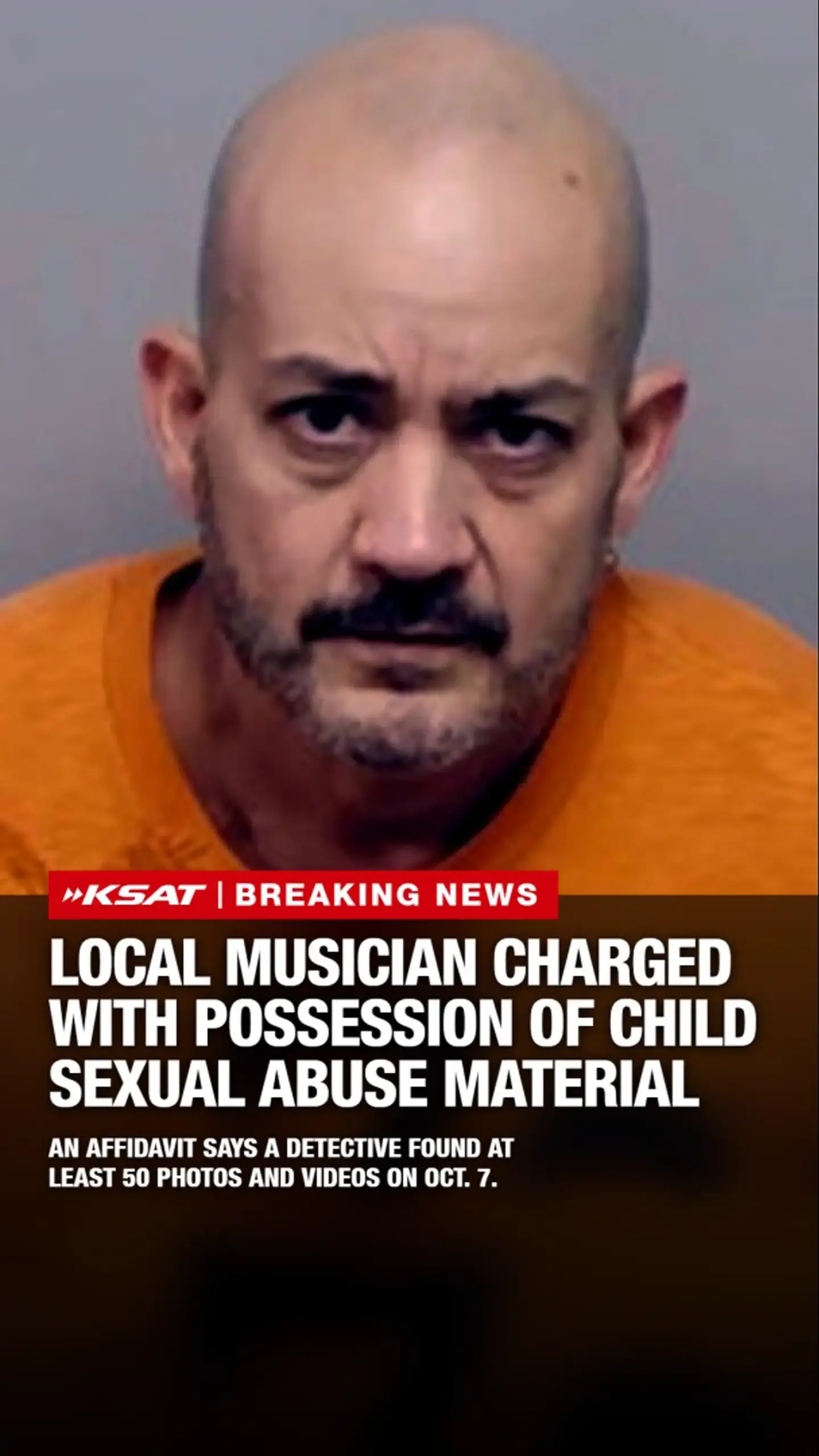
San Antonio musician charged with possession of child sexual abuse material
SAISD’s new teaching plan draws criticism from teachers

Researchers use cell phones and AI to count loose dogs in San Antonio

More from Digilifetrends
10 simple, enjoyable expert ways to boost your memory, from reading more to sleeping better
Relying on technology can make people more forgetful, but there are practical ways to sharpen recall. Memory specialists explain the habits and techniques that can help.
7 min read · Published 2026-11-01Looking to hydrate better this winter? These electrolyte tablets are worth a try
It can be simple to drink enough water in summer, when the heat serves as a constant nudge to refill your bottle. In winter, though, staying hydrated is often easier to forget.
4 min read · Published 2026-11-01Opening additional blocked heart arteries may help older adults stay healthier
Older people who suffer a heart attack may do better when doctors treat more than the single artery that triggered the emergency, according to a major clinical trial.
2 min read · Published 2026-11-01