Higher monthly expenses are not always caused only by rising utility rates. In many homes, everyday appliances and fixtures can use more electricity or water than they should. Drawing on guidance from the Department of Energy, the EPA, and other sources, here are household items worth reviewing before assuming bigger bills are unavoidable.
An Aging Refrigerator with Damaged Door Seals
An older refrigerator can push utility costs higher if its door seals are worn out. A faulty gasket lets warm air inside, which makes the compressor work longer to keep the interior cold. The Department of Energy advises setting refrigerators to about 35-38°F and freezers to 0°F.
A Toilet That Keeps Running After a Flush
If a toilet keeps running after it is flushed, it wastes water and adds to your bills. A worn flapper or leaking valve may be to blame, and it should be repaired quickly. To test for a leak, place a little food coloring in the tank. If the color shows up in the bowl after a few minutes without another flush, there is a problem.
A Furnace Filter That Has Been Neglected
When an HVAC filter becomes clogged, airflow is restricted and the heating or cooling system has to run longer to reach the set temperature, which can raise utility costs. Follow the replacement schedule in the manufacturer’s manual. ENERGY STAR recommends checking filters every month and replacing them when they are dirty.
A Second Refrigerator Sitting Nearly Empty in the Garage
Keeping a spare refrigerator running in the garage, especially if it holds only a few drinks or leftovers, can add noticeably to your electric bill. If a second fridge is not needed, unplugging it can eliminate that ongoing cost. The Department of Energy suggests using an electricity monitor or the appliance’s EnergyGuide label to estimate its annual operating expense.
A Water Heater Set Higher Than Needed
Running a water heater hotter than necessary uses extra energy and increases utility costs. Heat is also lost as hot water travels through pipes to the faucet. Check the unit’s settings and the manufacturer’s instructions. The Department of Energy recommends setting the water heater to 120°F, even though some models can go higher.
Trending on Cheapism
A Shower Head That Uses More Water Than You May Think
High-flow shower heads use more water, which raises both water use and monthly bills. Hot showers also increase electricity costs because energy is needed to heat the water. Choose the shower head that best fits your bathing habits. The EPA says replacing a standard shower head with a WaterSense-labeled model can save a family about 2,700 gallons of water a year.
A Clothes Dryer with a Clogged Lint Filter or Vent
Dryers work best when lint filters and vents are clean and unobstructed, since good airflow helps the appliance run efficiently and keeps utility costs down. Clean the filter after every load, and the Department of Energy recommends using an automatic moisture-sensing setting instead of relying on a long timed cycle.
An Air Conditioner with Dirty Coils
An air conditioner can become more expensive to run when its coils are dirty. Dust and debris reduce heat transfer, force longer run times, and increase electricity use. Keeping the area around the unit clean and the outdoor condenser free of debris can also improve airflow. ENERGY STAR notes that dirty coils can lead to premature wear as well.
Sign up for our newsletter
Subscribe to Cheapism to get exclusive tips, top deals, and money-saving ideas delivered directly to you.
A Portable Space Heater Running Too Long
An electric resistance heater can use a large amount of electricity if it runs for hours at a time, increasing your utility bill. Compare its wattage and daily use against your electricity rate. The Department of Energy recommends using space heaters selectively rather than assuming they are cheaper than central heating.
A Leaky Outdoor Faucet or Garden Hose Connection
A dripping outdoor fixture may seem minor, but the wasted water still costs money even if the leak is outside the home. Check hose connections, outdoor spigots, and related equipment for leaks. The EPA recommends WaterSense-labeled devices to help stop this waste.
An Automatic Sprinkler System That Runs Too Frequently
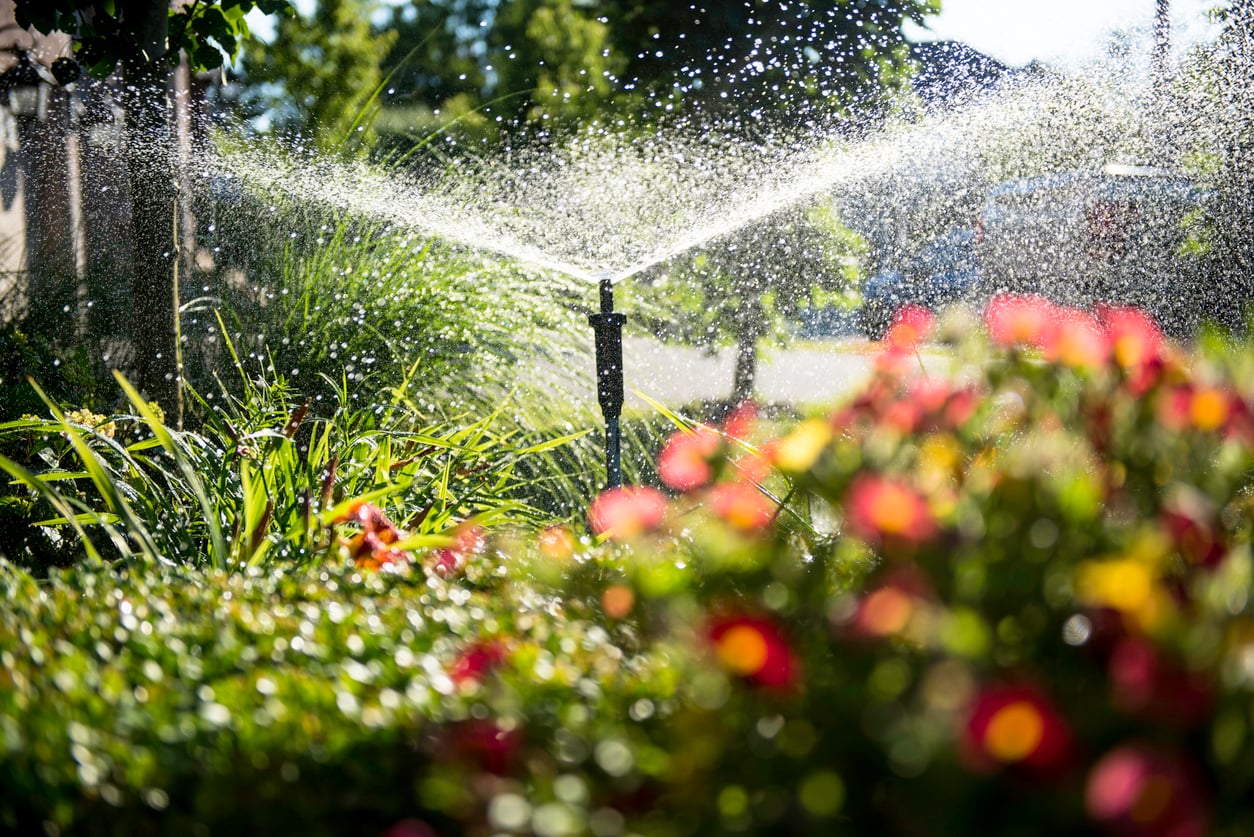
Automatic sprinklers can waste water and raise utility bills if they are used incorrectly. Inspect sprinkler heads and adjust watering schedules to match the season. The EPA says poorly maintained irrigation systems can waste thousands of gallons of water each year.
Electronic Devices That Draw Power in Standby Mode

Televisions, gaming consoles, entertainment systems, and similar devices can keep drawing standby power even when they are not being used, which can increase utility costs. Look for equipment that stays plugged in all day but is rarely used, and consider advanced power strips to reduce standby electricity use, according to the Department of Energy.
Final Takeaway
Regularly checking the electrical and water-using parts of a home can help avoid unnecessary waste and higher bills. Routine maintenance can reveal inefficient appliances early and prevent avoidable household expenses. From toilets and refrigerators to HVAC filters and irrigation systems, these are the kinds of items that deserve attention if you want to avoid overpaying.
More from Digilifetrends
Your Late-Year Money To-Do List: 5 Steps to Finish Before 2027
Valentina Djeljosevic: Hi, I’m Valentina Djeljosevic for Morningstar. As the year draws to a close, Christine Benz joins us with a rundown of financial tasks to complete before…
8 min read · Published 2026-11-06At 63, She Could Split a $600,000 401(k) in Divorce. Rolling Over Her Share Costs Nothing, but Withdrawing $60,000 for Legal Fees Could Raise Medicare Premiums at 65
Putting a QDRO share into an IRA creates no tax bill, but taking cash out is fully taxable in the year it is received, and legal fees do not create a deduction.
4 min read · Published 2026-11-069 Expenses That Often Rise After You Retire
Retirees have felt the strain of higher prices over the past year. Even though inflation has eased somewhat, persistent increases in essentials such as healthcare, utilities, and…
1 min read · Published 2026-11-05