Cholesterol often gets blamed for heart trouble, but triglycerides can also be a concern when they rise too high. The Mayo Clinic describes triglycerides as a type of fat in the blood. Unlike cholesterol, which helps build cell membranes and make certain hormones, triglycerides serve as stored energy. After a meal, extra calories that are not used right away are turned into triglycerides and stored in cells until the body needs them. Hormones then release them into the bloodstream between meals. A diet that provides more calories than the body needs, especially from carbohydrates, is one of the main reasons triglycerides climb. Some medicines, including steroids, beta blockers, and diuretics, can also raise triglyceride levels.
Keeping an eye on triglycerides matters because high levels can point to other health issues such as type 2 diabetes, metabolic syndrome, and hypothyroidism. Metabolic syndrome is especially important because it greatly raises the risk of heart disease, according to WebMD. Other signs of the condition include high blood sugar, elevated blood pressure, excess belly fat, and high LDL, often called “bad” cholesterol. Along with sugary and carbohydrate-heavy foods, too much saturated fat from meat, butter, and full-fat dairy may also contribute to elevated triglycerides.
Many of the same habits that support healthy cholesterol levels can also improve triglycerides. The following strategies may help.
Common risk factors for high triglycerides
If you are watching your triglycerides, it helps to understand the most common risk factors for hypertriglyceridemia.
Food is the main source of triglycerides, but the liver also produces them. That may help explain why two people who eat similar diets can still have different levels, according to the University of Rochester Medical Center. Genes can also play a role, including in the inherited condition familial hypertriglyceridemia, which makes a person more likely to have higher triglycerides, WebMD says.
People who may need to pay special attention to triglycerides include adults who have had a heart attack or stroke, adults with diabetes, and anyone already at higher risk because of high cholesterol or other factors such as family history, according to the University of Rochester Medical Center.
Cut back on carbohydrates
One of the most effective ways to lower triglycerides is to watch carbohydrate intake. Extra carbohydrate calories are efficiently converted into triglycerides, Healthline notes.
A review of 12 randomized, placebo-controlled studies published in PLOS ONE found that low-carb diets lowered triglycerides over a period of months, with the biggest drop seen early on. The review also found that low-carb eating lowered triglycerides more than low-fat diets, showing that reducing carbs can be especially helpful.
That may seem surprising since carbohydrates are not fat, but the body can convert them into triglycerides. The early improvement seen in the studies also shows that dietary changes can affect triglyceride levels fairly quickly.
Reduce added sugar
In addition to starchy foods such as bread and pasta, added sugar can also be turned into triglycerides. That helps explain why high sugar intake is linked with cardiovascular risk factors like insulin resistance, according to Healthline.
A review in the Journal of the American Heart Association looked at data from nearly 7,000 people and found that regular sugary drink consumers were far more likely to have high triglycerides than people who drank them only occasionally. Those beverages were also associated with lower HDL, or “good,” cholesterol.
The American Heart Association recommends limiting added sugar to six teaspoons a day for women and nine teaspoons a day for men, which comes to roughly 100 to 150 calories, or 25 to 38 grams of sugar. That guideline applies only to added sugar. Natural sugars in foods such as fruit, certain vegetables, and milk are not counted in the same way. Still, a single can of Pepsi contains 39 grams of sugar, which shows how quickly the limit can be reached. Choosing fruit for sweetness and reserving added sugar for occasional use can make it easier to stay within the recommended range.
Ways to cut sugar more easily
Sugar shows up in many foods, so reducing it is often harder than it sounds. The American Heart Association suggests a few practical steps, such as getting rid of the sugar bowl, learning the many names sugar can take, and remembering that brown sugar, agave nectar, honey, crystalline sugar, maple syrup, and molasses are all still forms of sugar, even if they are marketed as healthier options.
Other helpful swaps include adding fruit to oatmeal instead of sugar, choosing sparkling water or plain water instead of juice or soda, and using extracts such as almond, vanilla, or lemon to flavor recipes without extra sweetness. Non-nutritive sweeteners like allulose or stevia may also be used, although some research suggests they may increase sugar cravings later.
Reading labels is also important, since foods that do not taste especially sweet, such as bread and yogurt, often contain added sugar. Labels usually list “Total Sugars” and “Incl. Added Sugars,” which makes it easier to tell how much sugar was added. For example, a box of Honey Nut Cheerios lists 12 grams of total sugars, and the label shows that all 12 grams are added sugars.
Lose weight if needed
According to Medical News Today, eating more calories than the body burns is a main cause of high triglycerides. Extra energy is stored as triglycerides, which means being overweight or obese is a risk factor.
On the other hand, burning more calories than you consume pushes the body to use stored triglycerides for energy, which lowers blood triglyceride levels. That is why even a modest 5% to 10% weight loss can cut triglycerides by as much as 20%.
The National Lipid Association recommends smaller portions of calorie-dense foods and larger portions of low-calorie, filling foods such as vegetables and lean meats. Other helpful habits include cutting back on starchy foods, exercising for 30 minutes at a moderate pace most days of the week, limiting or avoiding alcohol, and reducing sugary foods.
Weight-loss strategies that can help
Weight loss can be difficult, but several approaches may make it easier. Medical News Today notes that intermittent fasting has been shown to help with weight management. Instead of counting calories, you limit when you eat, which may feel less restrictive.
You can combine time-restricted eating with a healthy diet for better results. One common approach is fasting for 16 hours and eating within an 8-hour window. Another option is fasting every other day, eating normally one day and then reducing intake to up to 30% of your body's energy needs the next. Meal-tracking apps can also help, and research suggests that consistently tracking food intake can improve the chances of losing weight.
Mindful eating can also help. That means sitting down to eat, avoiding distractions such as a phone or television, and eating slowly so your brain has time to register fullness. Increasing protein intake may also improve satiety and support weight loss because protein triggers appetite-reducing hormones such as GLP-1 and peptide YY. A study published in the American Journal of Clinical Nutrition found that people lowered their daily calorie intake by about 440 calories simply by raising protein from 15% to 30% of their diet.
Increase fiber intake
Eating more fiber is another simple way to help lower triglycerides, according to SFGate. Fiber comes in two forms: soluble and insoluble. Soluble fiber dissolves in water, while insoluble fiber does not.
Both types are beneficial, but soluble fiber is especially helpful for triglycerides and cholesterol. It works by helping reduce the absorption of sugars and fats in the small intestine, which limits how much can be converted into triglycerides. Soluble fiber comes mainly from plant compounds called pectins and gums, found in foods such as strawberries, apples, peaches, oatmeal, beans, and other legumes.
Women should aim for about 21 to 25 grams of fiber daily, while men should aim for 30 to 38 grams. A varied diet that includes fruits, vegetables, whole grains, and beans can help you get a healthy balance of soluble and insoluble fiber. If food alone is not enough, a fiber supplement or fiber drink such as dextrin or psyllium husk mixed with water may help.
Avoid trans fats
Trans fats are man-made fats that are especially harmful to heart health. They are created by adding hydrogen to liquid vegetable oils to make foods last longer and taste smoother and richer. These fats can raise LDL cholesterol and triglycerides, according to Everyday Health.
Any food containing hydrogenated or partially hydrogenated oils contains trans fat, even when the label says 0 grams. That is because companies can round down small amounts to zero if a serving contains less than one gram. Eating multiple servings can quickly add up. The World Health Organization recommends keeping trans fats below 1% of total daily calories.
Be sure to check labels, especially on margarine, vegetable shortening, baked goods, and packaged snacks. Fried foods are another common source because frying can significantly increase trans fat content. Foods such as fried chicken, battered fish, fries, doughnuts, and fried cheese sticks are best limited.
Get more physical activity
Regular physical activity is another good way to lower triglycerides along with diet. Triglycerides are used as fuel during exercise, so levels can drop after even one moderate-to-vigorous workout. Cholesterol does not respond the same way, according to Exercise is Medicine.
Although levels return to baseline within two days, exercising regularly, at least four days a week or every other day, can help keep triglycerides lower. Because triglycerides rise after a fatty meal, doing 30 to 45 minutes of moderate exercise before or after such a meal may help clear them from the bloodstream faster. Aerobic exercise has also been shown to lower triglycerides and improve outcomes in people with coronary heart disease by affecting a protein called apolipoprotein C3, according to a 2018 study in Clinical Cardiology.
Since moderate-to-vigorous aerobic exercise is most effective, it helps to know how hard you are working. The Centers for Disease Control and Prevention says most people can talk but not sing during moderate exercise, while vigorous activity makes even conversation difficult. Tracking heart rate is a more accurate way to judge intensity.
Limit alcohol
An occasional drink is unlikely to be a major issue for many people, but too much alcohol can worsen several heart-health markers, including triglycerides. Alcohol contains a type of carbohydrate that is quickly converted into triglycerides, according to Everyday Health.
Alcohol also puts stress on the liver, which may interfere with how the organ processes blood fats and slow metabolism. Even moderate drinking, defined by the CDC as one drink a day or less for women and up to two drinks a day for men, may raise triglycerides in some people, especially when the drinks are sugary cocktails or beer.
If you are worried about how alcohol may be affecting your triglycerides, talk with your doctor or another healthcare professional for advice.
Ask about medication if needed
Sometimes diet and exercise are not enough, and a doctor may recommend medication or certain vitamins, according to the Mayo Clinic. Common treatments for high triglycerides include statins, such as Lipitor or Crestor, which are also used for high cholesterol. Fibrates such as fenofibrate or gemfibrozil may also be prescribed, though they are not used in people with severe kidney or liver disease.
Your doctor may also suggest an over-the-counter fish oil supplement, which contains omega-3 fats. Prescription fish oil products such as Lovaza are another option and contain a more concentrated form of these fatty acids. Because fish oil can affect blood clotting and raise bleeding risk, talk with your doctor before starting a supplement on your own. Niacin, also called vitamin B3 or nicotinic acid, is sometimes used to lower triglycerides and LDL cholesterol as well, but it should only be taken with medical guidance because it can interact with other medicines and cause side effects.
Medications should be viewed as part of a larger plan rather than a cure. Diet remains one of the biggest factors in lowering triglycerides, and these medicines only work while you are taking them. If long-term side effects are a concern, lifestyle changes should remain the priority.
Include more healthy fats
The kind of fat you eat can also affect triglycerides. Unsaturated fats, unlike trans fats, have been shown to lower triglycerides and cholesterol, according to Everyday Health.
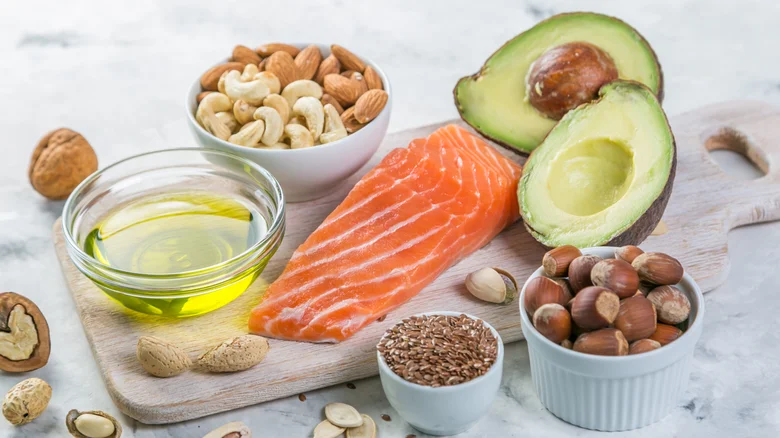
Omega-3 unsaturated fats are especially helpful because they help the body metabolize fats more efficiently. Good sources include fatty fish such as salmon, mackerel, and sardines, along with fish oil supplements. Plant-based sources include walnuts, flaxseeds, chia seeds, and algal oil, although fish-based sources may be better absorbed.
For people with high triglycerides, the American Heart Association recommends about 4 grams a day, preferably from food sources, though a mix of food and supplements can be used if needed. Saturated fat should also be limited because it may raise triglycerides in some people. The AHA suggests keeping saturated fat to 5% to 6% of total calories.
Check levels regularly
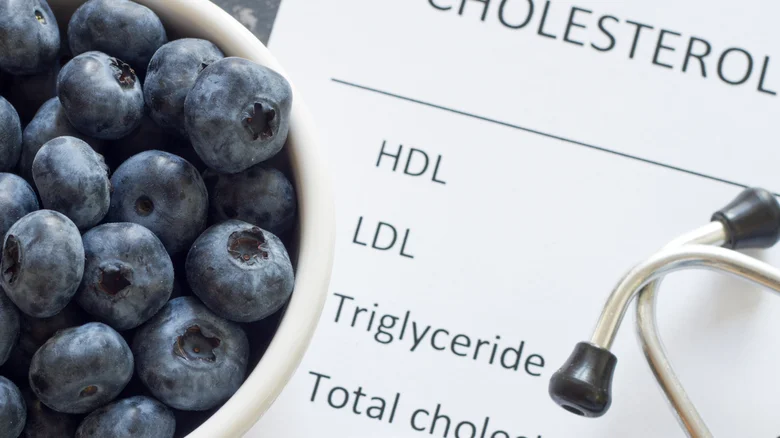
A simple blood test at a doctor's office can show where your triglycerides fall, according to the Mayo Clinic. Triglycerides are usually included in a lipid panel that also measures LDL and HDL cholesterol. Normal is below 150 mg/dL, borderline high is 150 to 199 mg/dL, high is 200 to 499 mg/dL, and very high is 500 mg/dL or higher. Fasting before the test is important because triglycerides rise after eating.
How often triglycerides should be checked depends on factors such as sex and family history, according to MedlinePlus. Many people are advised to begin testing around age 10 and repeat every five years until age 45 for females and 55 for males, after which testing is recommended every two years. Adults over 65 are generally advised to test yearly. People with a family history of high cholesterol, stroke, heart attack, or other heart disease risk factors may need testing as early as age two. Your doctor can give you the most appropriate schedule.


More from Digilifetrends
How the time shift affects you and what you can do about it
Most Americans will gain an extra hour of sleep, although the switch back to standard time will also mean darker afternoons.
1 min read · Published 2026-10-30Daylight Saving Time Shifts Can Affect Sleep and Well-Being
Most Americans will gain an extra hour of sleep, but the shift back to standard time also means earlier sunsets and darker afternoons.
1 min read · Published 2026-10-30Coronary calcium seen on lung CTs could signal heart risk in pulmonary embolism patients
Coronary artery calcification is often visible on the CT scans used to diagnose acute pulmonary embolism, but radiologists frequently leave it out of their reports. A narrative…
6 min read · Published 2026-10-30