When a headache starts building into that familiar pounding sensation, you may be over the usual advice: take medication, lie down, and drink some water.
If that sounds familiar, a hair clip might be the latest thing to try.
Social media creators have been promoting a quick headache fix that they claim can work even better than prescription medicine: placing a claw clip on the eyebrow. Some doctors say the idea has a small amount of merit, though there is still an important catch. Here is what experts say.
Why Some People Say It Helps
At its core, the technique resembles acupressure, a practice rooted in traditional Chinese medicine that involves applying pressure to specific areas of the body.
“The clip puts pressure on where branches of the trigeminal nerve run,” said Dr. Fawad Mian, founder and physician at Ascend Regenerative, who is board-certified in neurology, clinical neurophysiology and sleep medicine. “This gives your nervous system something to focus on, which diverts your attention away from the pain.”
Dr. Jon Stewart Hao Dy, a board-certified neurologist in Manila, Philippines, explained it another way: pressure on the skin can trigger competing sensory signals that may briefly reduce pain perception. That idea is often called gate control of pain, since pain signals travel more slowly than touch, pressure and vibration signals.
In simpler terms, your brain may pay more attention to the sensation from the clip than to the headache itself.
Although it has not been studied, the method is basically a homemade version of a more scientific approach.
“Clinical studies have shown that controlled electrical stimulation of the trigeminal nerve can reduce pain, but a claw clip is not a neuromodulation device,” said Dr. Lynette Gogol, a board-certified neurologist and lifestyle medicine physician.
Dy said it also resembles the idea behind daith piercings, which are placed on the innermost fold of the ear and are often claimed to ease migraines through stimulation. As with the claw-clip trend, those claims are anecdotal rather than research-backed. Gogol added that there are no studies showing how quickly a claw clip should work or how long any relief should last.
Neurologists agree that, if it works at all, the effect is most likely temporary and different for each person.
“It works better for tension headaches and migraines if you catch them early,” Mian said. “If your migraine is full-blown, this most likely will not help.”

And if the clip does help, the relief would only last while it remains on the eyebrow. Once removed, the pain would likely return because, as Dy put it, the clip is simply adding an outside sensory stimulus rather than treating the migraine itself. That means it is not a real cure or replacement for treatment.
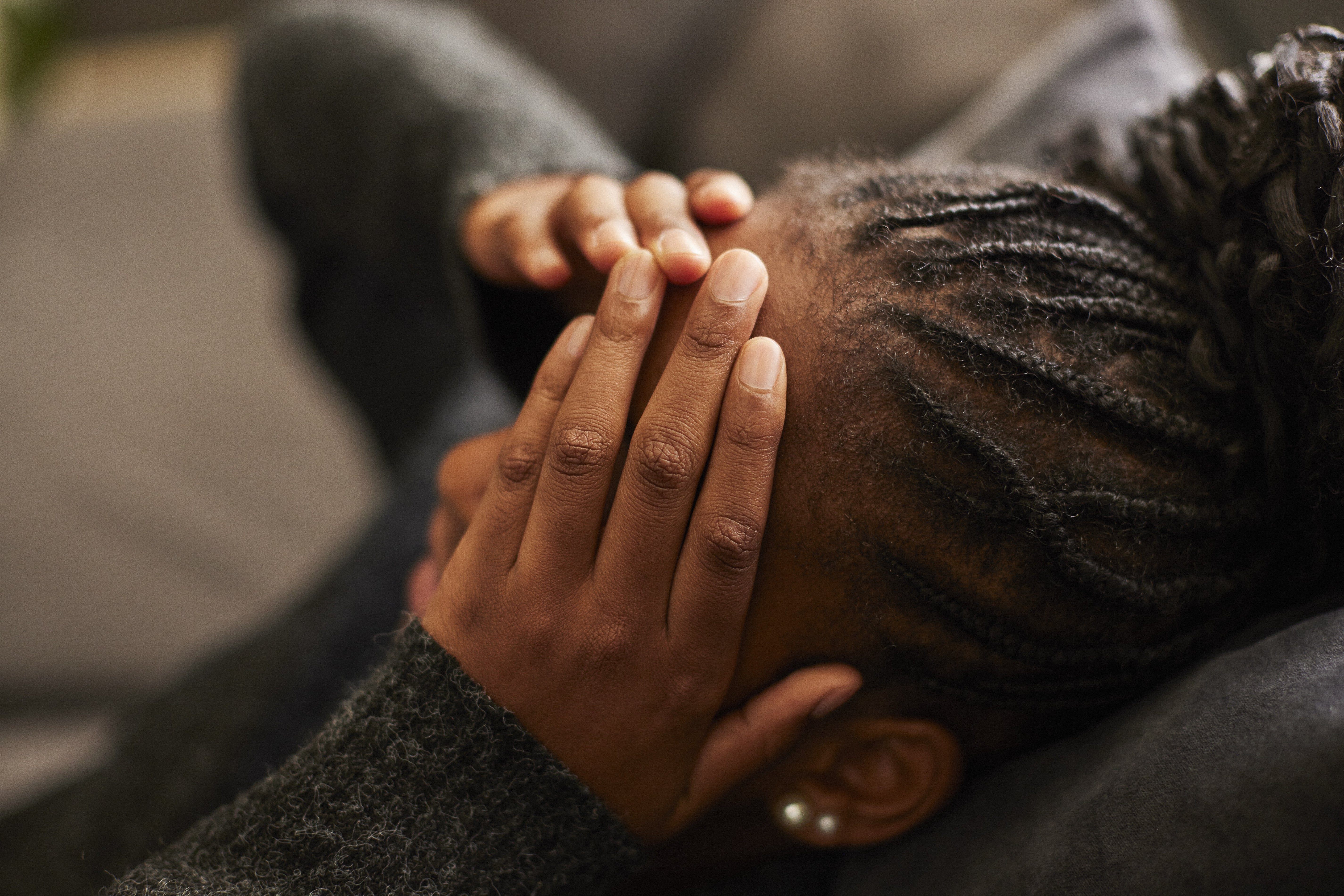
There are also cases where it could backfire. Mian said skin sensitivity can make it feel worse, and Gogol noted that even harmless touch or pressure on the face can be painful for some people with migraines. Dy said this is especially true for people who develop allodynia, or extreme sensitivity to touch, during migraines.
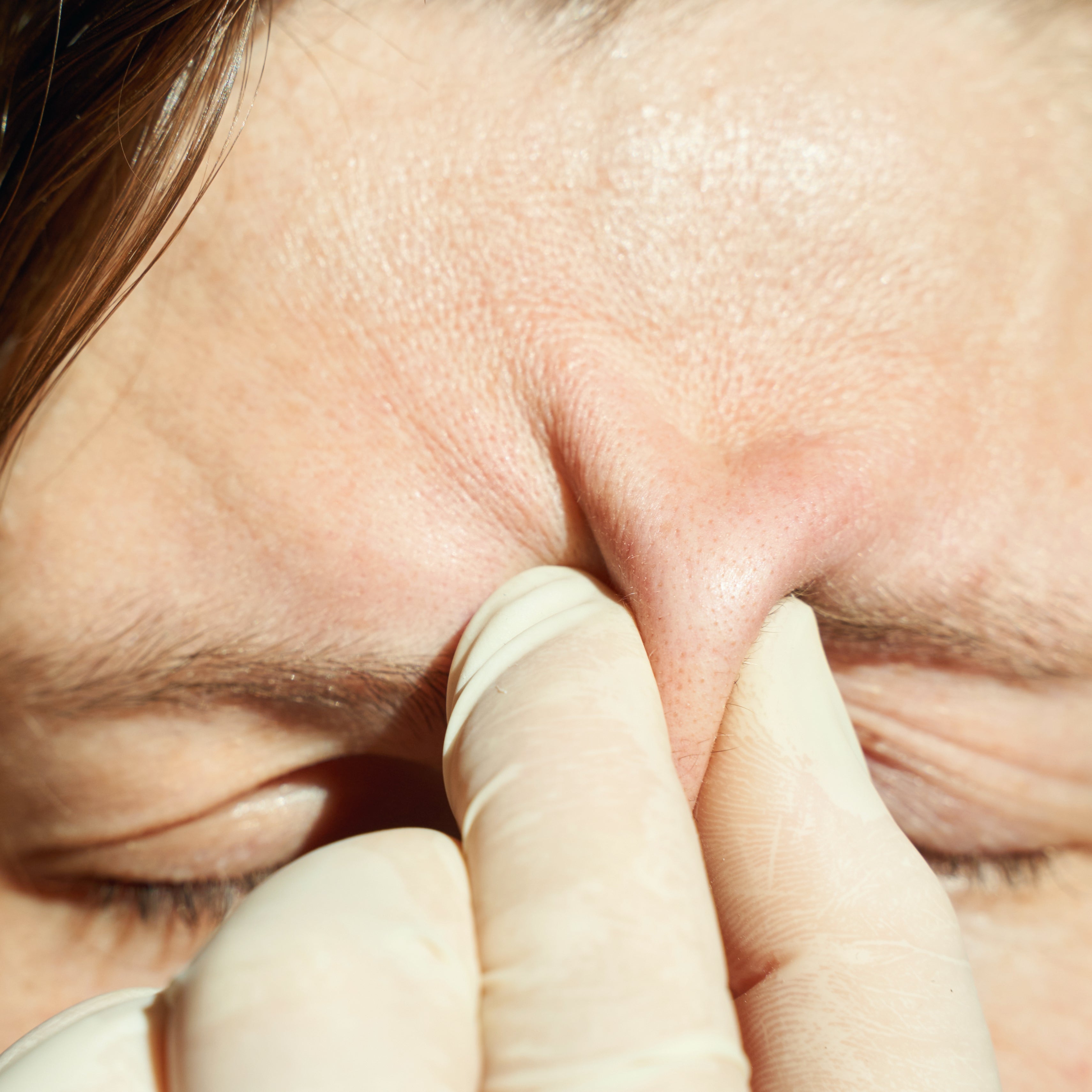
If you want to try it, Mian suggested keeping the clip loose enough to avoid pain, aiming for firm pressure rather than discomfort, removing it if it makes things worse, and not using it instead of other headache treatments.
Gogol said she would not recommend the method at all, while Dy took a middle ground. “If a patient finds that it provides mild, temporary relief and it’s not causing harm, I would not necessarily discourage it,” he said. “However, I would emphasize that it should not replace evidence-based treatments, especially for patients with frequent (more than 15 days a month of headaches) or severely debilitating migraines.”
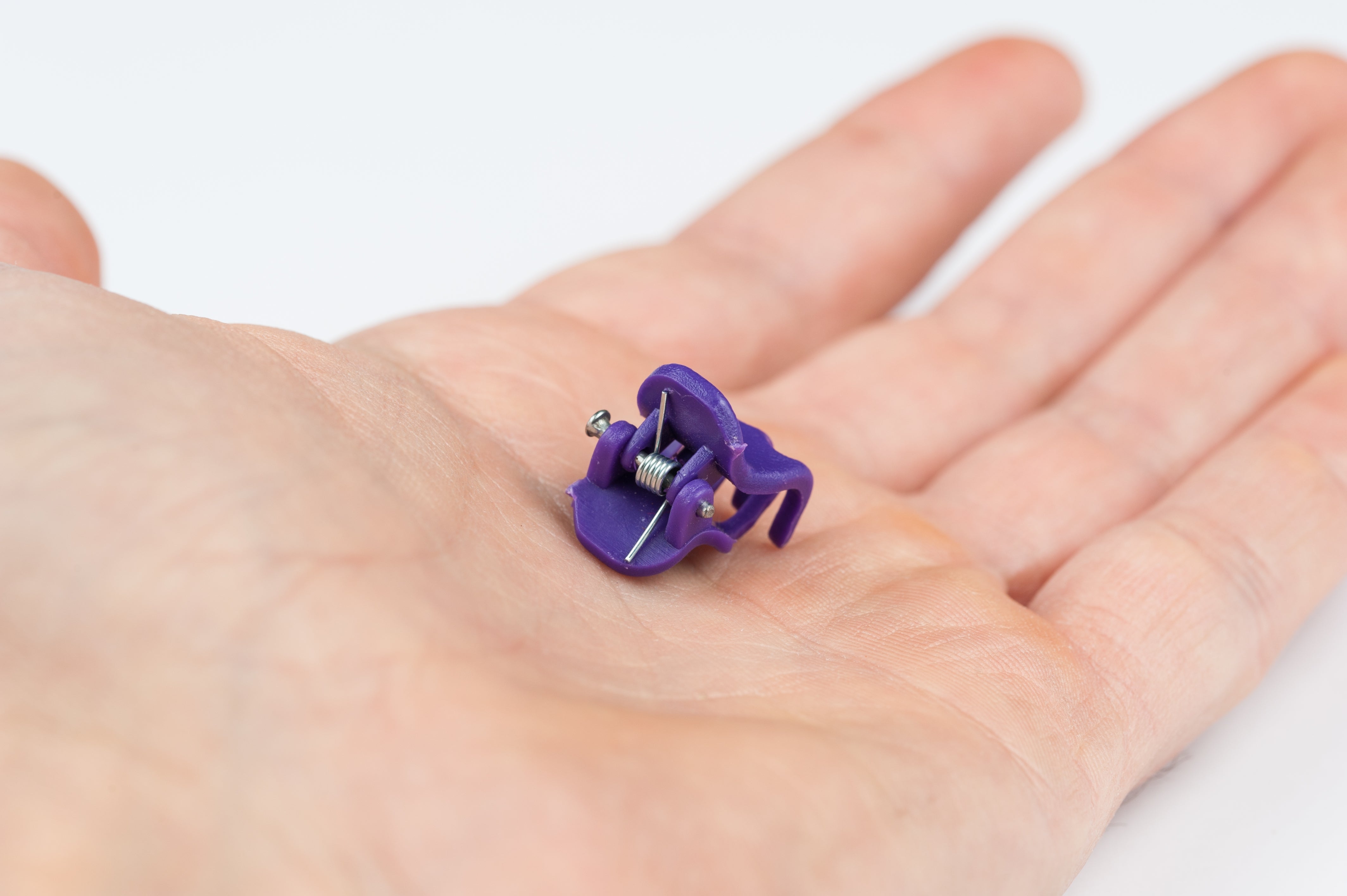
Dy also advised limiting use to no more than 30 minutes. “In terms of safety, using a claw clip in this way is generally low-risk if it is not applied too tightly,” he said. “Excessive or prolonged pressure, however, could potentially irritate superficial nerves, worsen localized pain or paradoxically trigger a tension-type headache.”

Other Headache Remedies Doctors and Patients Suggest
Even if the claw-clip trend is intriguing, it is only one option among many. “Old standbys are always worth doing,” Mian said. What helps one person may not help another, even if it is a familiar remedy. He said some people respond well to caffeine or ice packs, while others find relief from sleeping in a dark room.
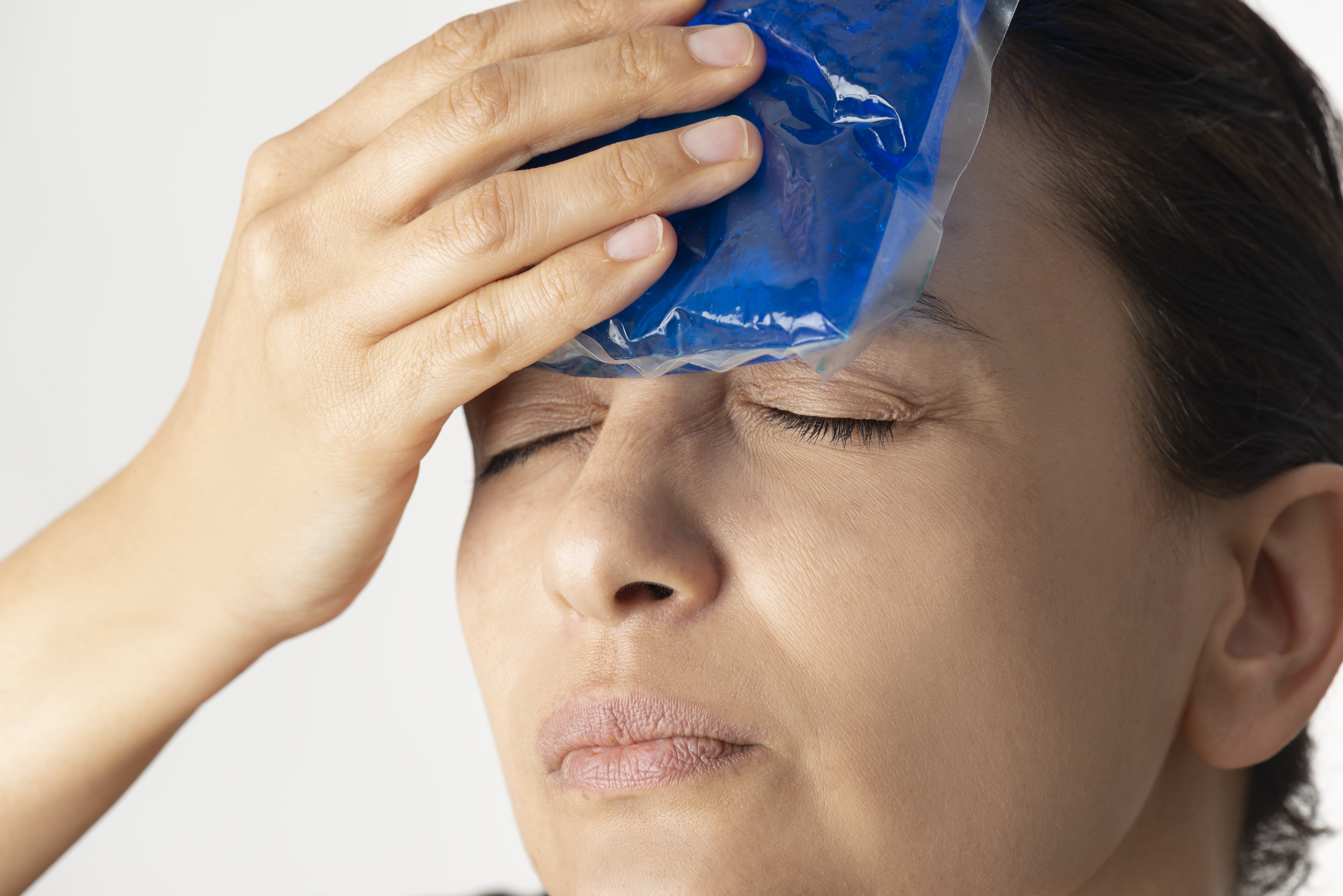
Gogol said prevention is the best place to start. “A regular sleep schedule, regular meals, avoiding dehydration and managing stress can support migraine prevention,” she said.
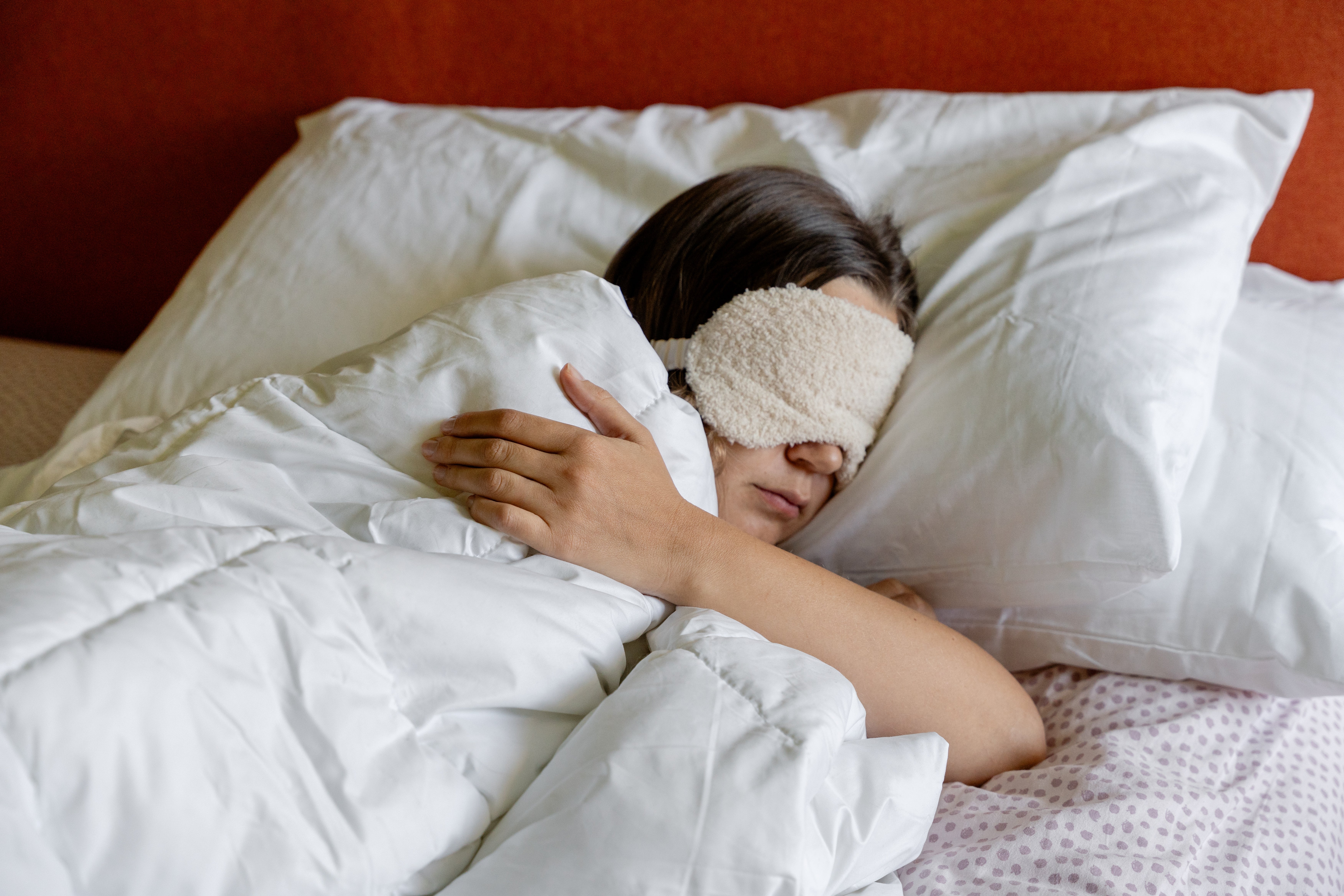
When a migraine does strike, she said a cold pack on the head or neck and reducing light and noise may help.
Dy added that a cold compress on the painful area, avoiding triggers such as chocolate, cheese, alcohol and sometimes coffee, and taking prescribed medication can also be useful.

“I think migraine ‘hacks’ can be helpful in that they encourage patients to explore non-pharmacologic ways of managing their symptoms, but they can also be misleading if they create the impression that there is a quick fix for a migraine,” Dy said. “They may complement their current treatment, but they should not replace medically proven therapies or proper evaluation by a physician/neurologist/headache specialist, especially when the headaches are frequent, severe, progressive or changing in character.”

More from Digilifetrends
Ways Aging Adults Can Get Better Sleep
As people get older, sleep remains a vital part of physical health and everyday well-being. But natural changes in the body can alter sleep patterns and make it harder to get…
6 min read · Updated 2026-10-12Five Science-Backed Foods That May Support Better Memory
Nearly everyone knows the feeling of realizing they have misplaced something important, such as keys or a wallet, right before leaving home. It is a common experience, and…
5 min read · Updated 2026-10-113 Nutrients That May Naturally Ease Joint Discomfort and Stiffness
Joint stiffness and discomfort tend to become more common as people get older. A neck can feel tight after sleeping in an awkward position, running may put more strain on the…
3 min read · Updated 2026-10-10