If you’re feeling nostalgic, these kitchen looks were favorites of the boomer generation. Kitchens have long been the center of the home, and the way we style them reflects how we live and gather. While some old trends are better left behind, others could easily return in updated form. The trick is to keep the welcoming qualities of these spaces while refreshing them for modern homes.
There are plenty of reasons a vintage idea can work in a current kitchen. Even in a contemporary house, a traditional touch can make the space feel more personal and thoughtfully layered. Materials such as warm wood cabinets or classic laminate can add character without overpowering a room. A mix of retro-inspired details and modern finishes can also make a kitchen feel more authentic and lived-in. Here are the boomer-approved kitchen trends we’d happily see make a comeback.
Formica countertops, chairs, tables, and more
Formica was a staple in the 1970s, used on everything from countertops to furniture. Also called high-pressure laminate, it’s created by pressing layers of paper together with resin under high heat. Today, Formica furniture is often sought after in secondhand stores, which suggests a revival may be on the horizon. It also has a major advantage: affordability. Because it’s a laminate rather than stone, it’s a very budget-friendly surface, starting at about $29 per square foot.
There are several ways to bring Formica into a kitchen. Countertops are the most nostalgic choice, and the material comes in a huge range of colors and finishes. You can recreate a mid-century look with bright yellow or orange, or choose a version that imitates wood or stone at a lower cost. Before starting a project, it’s worth weighing the pros and cons of Formica countertops. If that isn’t the right fit, a vintage Formica dining set is an easy alternative.
An avocado green painted kitchen
Some colors were especially beloved by boomers, and avocado green was everywhere in kitchens. It showed up on furniture, wall paint, and appliances, becoming so common that younger generations pushed back hard against it. By the 1980s, it had fallen out of favor, though not because of the color itself. Earth tones in general were replaced by more muted palettes. Now that earthy shades are returning, it makes sense that avocado green kitchens from the 1960s and 1970s could reappear too.
Talk of an avocado green revival has been growing, and the look feels timely again. Minimalist kitchens are no longer the default, and many homeowners are craving richer spaces with more personality. If you’re bold, you can commit to the full color. If you prefer a lighter touch, try an avocado green tile backsplash. A temporary option is to add avocado green textiles, such as dish towels. If the shade still feels too strong, a softer green like pistachio or sage can deliver a similar effect.
A split-level kitchen island and breakfast bar combo
A split-level kitchen island with a breakfast bar is one retro feature that deserves another look. These islands had two levels: a higher surface for prep work and a lower area for eating, or sometimes the reverse. That lower section could even function as a casual desk or workspace, making the island more versatile than a simple perch for coffee. Over time, this practical setup gave way to the single-level islands common today, but the added functionality still makes a lot of sense.
One of the best things about a split-level island is how easily it can adapt to the way a kitchen is actually used. You might choose a higher prep surface with a lower dining area for everyday meals, or a lower prep zone with a raised bar for guests to sit and chat while cooking happens nearby. The design can also be customized, with the lower level extending from one side or wrapping around multiple sides for more seating and work space. It offers a good balance of modern style and old-school practicality.
A cute recipe box on the countertop
Many boomers kept a sentimental recipe box in the kitchen. Often handwritten and passed down through generations, these cards held more than ingredients and instructions — they carried memories, traditions, and family history. That idea fits well with today’s more personal approach to interiors. Instead of hiding everything away, it can be lovely to display a few favorite recipes or keep a decorative recipe box within easy reach. Small, meaningful details like that help make a home feel unique.
To update this trend, a charming recipe box on the counter can look cozy and inviting. A thrifted wooden or vintage-style box adds antique character, while a more modern version may suit a different space better. A colorful box can also bring a subtle pop of interest while still serving a practical purpose.
Colorful nesting mixing bowls on display
Many people now hide baking tools in cabinets, but boomers often displayed mixing bowls proudly. Nesting bowls were especially practical, since they fit neatly inside one another and saved precious storage space. They also came in bright colors, which helped add personality to the kitchen. Retro patterns, from florals to geometric shapes, made them decorative as well as functional. This is one trend that feels ready to return, especially as designers continue to embrace a more lived-in, imperfect look.
For the most authentic version of the style, use retro nesting bowls such as classic Pyrex and keep them near the cooking area. If you want a more current take, choose ceramic or stoneware nesting bowls with handmade-looking finishes. Irregular shapes and textured surfaces can add warmth without making the space feel overly nostalgic.
Wallpaper is the perfect recession-core option
Wallpaper was a major feature of boomer kitchens, especially in the 1970s. Beyond its playful look, it remains one of the easiest and most affordable ways to refresh a room. Bold patterns from that era, especially floral and botanical prints, can still make a strong visual statement today.
Floral wallpaper does not have to look old-fashioned. A contemporary version can be adapted with a few thoughtful changes. Instead of busy, warm-toned prints, look for designs with more green. Rather than a repetitive pattern, choose something more painterly with visible texture. A wallpaper that feels custom-made will suit a modern kitchen far better than one that looks mechanically repeated.
Houseplants in shiny brass pots
Houseplants were popular in the 1960s and 1970s and remain popular now, but the way they’re displayed has changed. Bright brass pots were once a favorite, and that warm metallic finish may be due for another comeback. As brushed brass and other warm metals gain popularity again, the shinier version could be next.
There are many ways to bring the look into a kitchen without going fully retro. A large floor planter for a small tree can make a dramatic statement, while a simple brass vase offers an easy starting point. For extra texture, try a hammered planter, or use matching pots to create symmetry on the countertop. A single brass planter can also brighten an awkward corner with greenery and metallic shine.
Wood veneer was a must-have for cabinets
Wood is already having a major moment in kitchens and beyond, but solid wood can be expensive. In the 1970s, wood veneer cabinets were popular because they looked sleek and were more affordable. Wood veneer uses a thin layer of real wood on the front of an engineered panel, giving the surface a hardwood appearance without the cost of solid wood. It’s easy to see why this budget-friendly trend caught on.
In the 1970s, wood veneer usually had a warm and shiny finish. A modern update would lean more natural, with cabinetry in light oak or dark chestnut depending on the look you want. A cooler, matte finish can make the material feel less retro. Still, as honey oak cabinets continue to regain popularity, a look that echoes those older cabinets may feel fashionable again.
A home bar can have multiple uses
At-home bar areas were once a boomer favorite, though they gradually lost popularity. In the 1960s and 1970s, they appeared in several forms, from glamorous built-in bars with dark wood and gold hardware to movable furniture pieces placed beside the kitchen. Those portable versions often had the curved shapes that were stylish at the time.
That idea can easily be adapted for modern life. Since many younger people are drinking less alcohol, home coffee bars have become a popular replacement. A vintage dry bar can be filled with coffee, tea, and glassware instead of cocktail supplies. Another option is to extend an existing countertop into a dedicated beverage area. Even a small setup can make a kitchen feel more intentional when it has a defined place for mugs, syrups, or brewing tools.
Patterned vinyl flooring
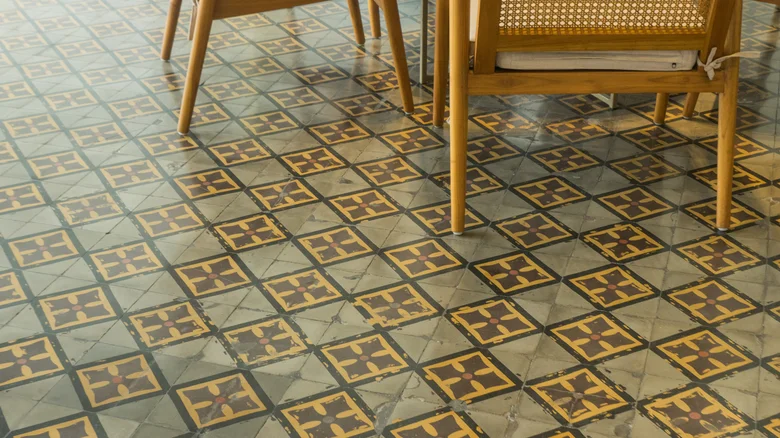
Vinyl has always been an easy way to give a room an instant update. Made from several synthetic layers, it is water-resistant and very durable. In the early 1970s, boomers were not shy about using bold vinyl flooring, especially vinyl tiles. Bright prints became especially popular in retro kitchens, often featuring ornate patterns and saturated earthy colors. Some of those designs may feel dated now, but others remain surprisingly timeless, and the lower price is a major bonus.
Today’s vinyl tiles come in many styles. One of the most popular options is imitation terrazzo, which delivers the look of a solid floor for less. Checkered patterns are another classic choice that can feel elegant rather than outdated over time.
Decorative plates lining the doorway
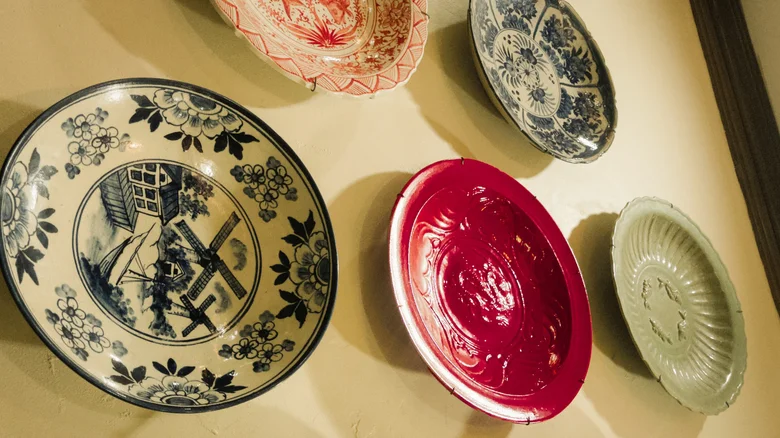
Boomers often lined the tops of kitchen or dining room doorways with decorative plates. It was another way to personalize a space, especially when the plates were inherited or given as gifts. Displaying meaningful dishware was much more common in the past. While the exact styles popular then may now seem dated, the broader idea still has potential in modern homes.
Handcrafted ceramics or more playful plates could look great above a doorway today. The key is not to copy the old style exactly, but to find a fresh way to display pieces you love. Different-size plate hangers make it easy to mount plates on the wall and create a more curated look.
Glass door display cabinets for dish sets
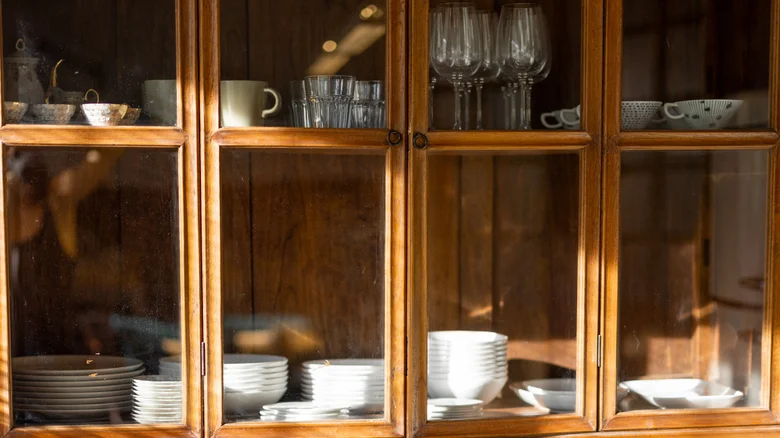
Along with hanging plates, boomers often displayed prized dishware in glass-front cabinets. The result was a kitchen that felt personal and reflective of the homeowner’s taste. Glass cabinet doors have long sparked debate, with some people loving the look and others finding them impractical. But as kitchens move away from total concealment, glass-front cabinets can still be useful even if they’re filled with more than fine china or crystal.
These cabinets work well for displaying colorful vintage glassware, ceramics, or thrifted finds that might otherwise stay hidden away. Mixing different heights and textures can make the display feel relaxed rather than overdesigned. A little open space between items helps keep the cabinet from looking crowded.
More from Digilifetrends
10 things people born in the 1980s have nearly forgotten
If you grew up in the 1980s, you probably remember a time before constant screens and online distractions, but after the shift into the digital age began.
2 min read · Updated 2026-10-1272 Vintage Gadgets That Make Yesterday’s Tech Feel Like True Design
Modern electronics have made daily life far easier than it was a few decades ago. Smartphones now do the work of IDs, wallets, music players, and movie players all at once, and…
5 min read · Updated 2026-10-1272 Retro Gadgets That Show Why Old Tech Still Feels So Cool
Modern electronics have made everyday life much easier than it was a couple of decades ago. Smartphones now double as IDs, wallets, and portable players for music and movies,…
6 min read · Updated 2026-10-12