The priciest thing in your garden this year may be something that was offered for free. A truckload of “free” manure can contain herbicides that damage tomatoes, and a plant handed over a fence line may be one your state does not allow people to share.
At the same time, the truly useful freebies often get discarded. Extension agents see it every fall: homeowners send leaves to the curb, then pay for mulch in spring. Gardeners also spend heavily on fertilizer, nursery transplants that could have been grown from seed, and tools that see only occasional use. Even Nicole Burke of Gardenary says her first raised-bed kitchen garden cost more than $2,500.
Getting these choices right matters. The National Gardening Association has estimated that an average 600-square-foot food garden can produce about $600 worth of vegetables for around $70 in spending. Fall is also the season that shapes next year’s budget. Leaves, seeds, perennial divisions, and clearance plants are available now, and that opportunity ends when the ground freezes.
Whether you have gardened for decades or only a few years, the best ways to save money are not about finding the cheapest option. They are about knowing what to stop buying and which “free” offers to decline.
1. Skip Bagging Leaves and Buying Mulch Later
Run a mower over fallen leaves a few times and spread them across your beds. Penn State Extension says shredded leaves help regulate soil temperature, retain moisture, and suppress weeds. NC State Extension calls leaf mulch “compost waiting to happen” and encourages gardeners without trees to rescue bags left at the curb. Local arborists may also drop off wood chips for free. One gardener and writer, Zero Waste Chef, estimated that her roughly 20-cubic-yard delivery would have cost about $1,000.
2. Avoid Overpaying for Fertilizer
Nicole Burke of Gardenary calculated the cost of a popular liquid plant food and found it worked out to about $36.98 a gallon, which is more expensive than gasoline. Her view is direct: “none of those synthetic fertilizers in brightly colored packages are necessary.” A backyard pile of leaves, grass clippings, and kitchen scraps can become free compost, and Joe Lamp’l of Joe Gardener says a three-bin system made from discarded shipping pallets can cost about as much as a box of screws.
3. Never Accept Free Manure Without Asking What the Animals Ate
This is the hidden danger in one of the frugal gardener’s favorite tips. Certain pasture and hay herbicides, including aminopyralid and picloram, can pass through livestock and survive composting, according to UF/IFAS Extension, which lists tomatoes, beans, peas, peppers, and squash among the most sensitive crops. UF/IFAS also warns that contaminated manure can look and smell normal. Ask what the animals were fed, then use the simple test described by NC State Extension: plant a few bean or pea seeds in pots of the material and watch for twisted, stunted growth over three to four weeks.
4. Don’t Buy Perennials You Can Divide Now
Many gardeners already have next year’s plants. As Annette Cormany of University of Maryland Extension says, “gardeners are generous souls,” and most perennials and bulbs should be divided about every three years, turning one clump into several free plants. Timing matters. Penn State Extension recommends dividing in fall and allowing about six weeks for roots to establish before the ground freezes.
5. Don’t Accept Every Free Plant a Neighbor Offers
Some plants people give away are illegal to share in parts of the country. Massachusetts bans the “sale, import, trade, purchase, distribution, propagation” of plants on its Prohibited Plant List, including creeping Jenny, goutweed, yellow iris, forget-me-not, burning bush, and Japanese barberry. The surprise is that creeping Jenny still appears in national money-saving lists, including Better Homes & Gardens, as a budget groundcover. Before trading plants, check your state’s invasive plant list; no one wants to give a friend a plant that takes over the yard.
6. Shop the Garden Center Clearance Rack
Fall is clearance season. Better Homes & Gardens notes that perennials and woody plants are often marked down in late summer, and says tired-looking perennials with healthy foliage can be a good buy for next year. University of Maryland Extension also says late fall brings discounted plants and supplies. Joe Lamp’l recommends building a relationship with the nursery manager: “Get to know the nursery manager and become their best friend.” He says that kind of connection has saved him thousands through markdowns and first pick.
7. Skip Transplants of Crops That Grow Quickly From Seed
“Never buy plants that have large seeds like cucumbers, squash, melons, corn or beans,” said Marco Fonseca, then the Master Gardener coordinator for University of Georgia Extension, because those crops catch up just as quickly from seed. Burke of Gardenary once saw four bush bean plants selling for $19.98 in a single pot. Save seed, too: George Weigel, writing in Carolina Country, notes that open-pollinated heirlooms can produce years of plants from one purchase, and most packet seed stays viable for two or more years if stored cool and dry. Those saved bean envelopes were not just sentimental; they were a budget strategy.
8. Avoid Buying Tools You’ll Use Once
“There’s no reason everyone in the neighborhood has to have their own tiller,” Better Homes & Gardens says, suggesting that neighbors split a $150 aerator rental so each person pays less than $50. Estate sales and thrift stores are often full of older, well-made hand tools. One free item to refuse is old pressure-treated lumber. The EPA says manufacturers ended virtually all residential uses of arsenic-based CCA wood preservative effective December 31, 2003, which is why Jill McSheehy of The Beginner’s Garden only reuses treated fencing made after that date.
9. Check the Rules Before Installing a Rain Barrel
Joe Lamp’l says food-grade barrels are often available from beverage companies and food distributors for $5 to $20, far below retail prices. But rain barrels are regulated in some states. In Colorado, Colorado State University Extension explains that households may use no more than two barrels totaling 110 gallons, with sealable lids and outdoor use only; Douglas County also notes that state law bars HOAs from prohibiting them. Check your state and HOA rules first. If you already have one, drain it before winter; CSU Extension in Pueblo County advises, “You should always remove the rain barrel in the fall.”
The Best Garden Savings Begin by Saying No
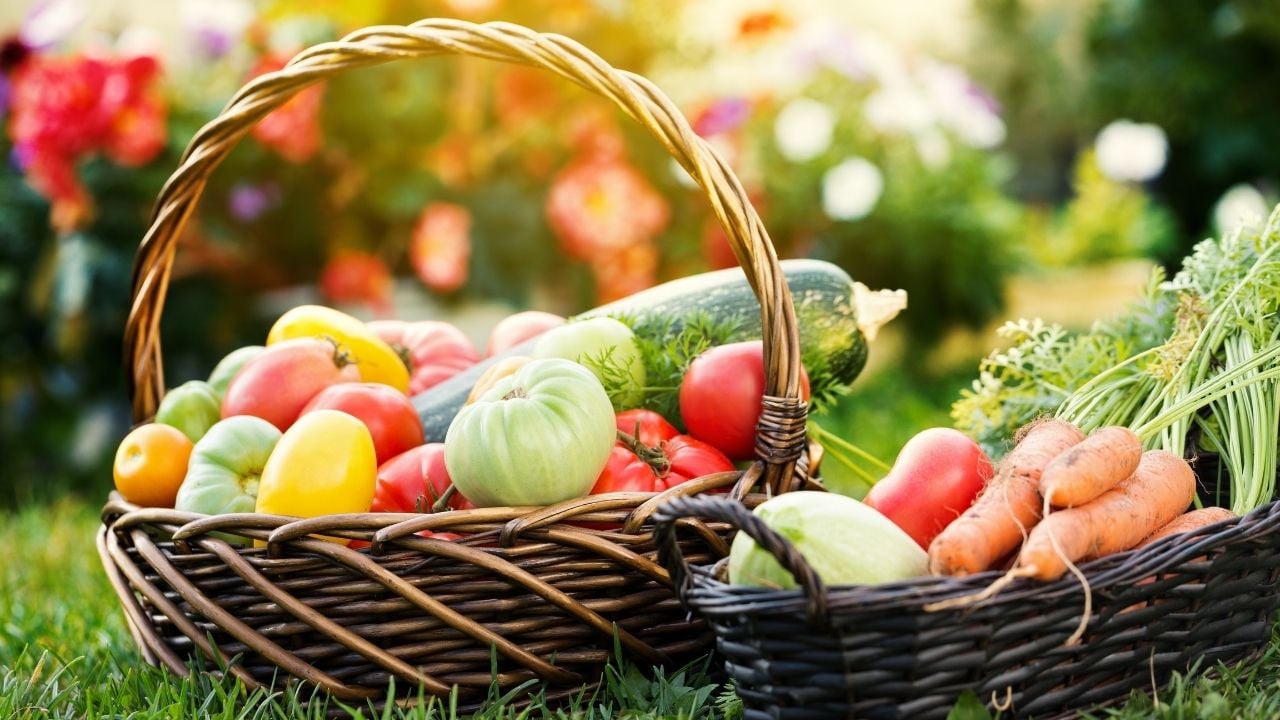
When Joe Lamp’l challenged himself to feed his family of four through the summer on a garden budget of $25 or less, he ended with $9.95 remaining and spent only on seed-starting mix and two tomato plants. He did not focus on buying cheaper. He focused on buying less and on knowing which free items were worth taking. That is the real lesson. Say yes to leaves, divisions, and seed. Say no to mystery manure, prohibited “gifts,” and gadgets you will use only once. By next spring, both your garden and your wallet should be in better shape.
More from Digilifetrends
California homeowner quoted $4,000 to fix five solar parts said to cost about $70 each
A California homeowner wondered if they were being overcharged after getting a $4,000 quote for solar repairs.
3 min read · Published 2026-11-06New York homeowner discovers 24 misassigned solar inverters, leading to upgrade offer and $2,500 settlement
A New York homeowner says none of the microinverters on their 24 solar panels matched the equipment listed in the project paperwork, a discrepancy they discovered by examining…
4 min read · Published 2026-11-06HVAC technician installs a $429 heat pump in his cabin after a quote topped $4,000
An HVAC installer said he was able to heat and cool his cabin loft with a $429 heat pump after a distributor quoted him more than $4,000 for a different system.
3 min read · Published 2026-11-06