When temperatures drop, many homeowners brace for steep heating bills. Rising fuel prices and higher overall home-heating costs are making winter especially expensive, but there are still ways to cut back on how much heat your home needs.
Even if you cannot avoid using the heat entirely, a few smart changes can help reduce the strain on your wallet through the cold season.
1. Bubble Wrap the Windows
Leaky windows can be one of the biggest sources of heat loss, so insulating them is a smart first step. For a low-cost fix, cut bubble wrap to fit inside the frame, mist the glass lightly with water, and press the wrap into place. It still lets in light while helping trap warmth indoors.
Best Window Insulation Kits
2. Reverse Your Ceiling Fan
Because warm air naturally rises, it can collect near the ceiling and leave rooms feeling cooler than they should. Running a ceiling fan clockwise can help push that warm air back down and make the room feel cozier.
To change the direction, look for the switch near the base of the fan. The reversed airflow creates a gentle updraft that helps circulate heat more evenly.
3. Add Weatherstripping
Air leaks can drain a surprising amount of heat. A simple way to check for gaps is to hold a piece of toilet paper near window and door frames; if it moves, air is getting through. Weatherstripping can seal those openings, and foam inserts for outlets can help reduce additional heat loss. Caulk is also useful for fixed cracks, especially around window frames or where siding meets the foundation.
4. Reflect Heat From Radiators
If your home has radiators, placing a reflective sheet behind each one can help direct more heat into the room instead of into the wall. Aluminum foil works as a simple reflector and can help you get more from the heat your radiator produces.
5. Make Use of Steam
Bathroom exhaust fans are useful for removing moist air after a shower, but turning the fan off while you shower can help warm the room instead. Leaving the door open lets steam spread beyond the bathroom, adding warmth to nearby spaces as well.
6. Block Drafty Doors
If doors let in cold air, a simple do-it-yourself fix is foam pipe insulation trimmed to size and fitted along the bottom edge. That can help keep warm air inside and lower utility costs. Ready-made draft stoppers are another inexpensive option and can be removed easily when the weather turns mild again.
7. Insulate the Water Heater
An uninsulated water heater can lose warmth unnecessarily. Wrapping it in a blanket designed for the appliance may reduce heat loss and save money over time. If the outside feels warm, it may benefit from extra insulation, but always check the owner’s manual first to confirm it is safe for your model.
8. Open the Curtains
One of the easiest ways to reduce heating costs is to let in natural sunlight during the day. Open blinds and curtains when the sun is out, especially on south-facing windows that receive the most afternoon light. At night, close them again to help hold the warmth inside.
9. Install a Smart Thermostat
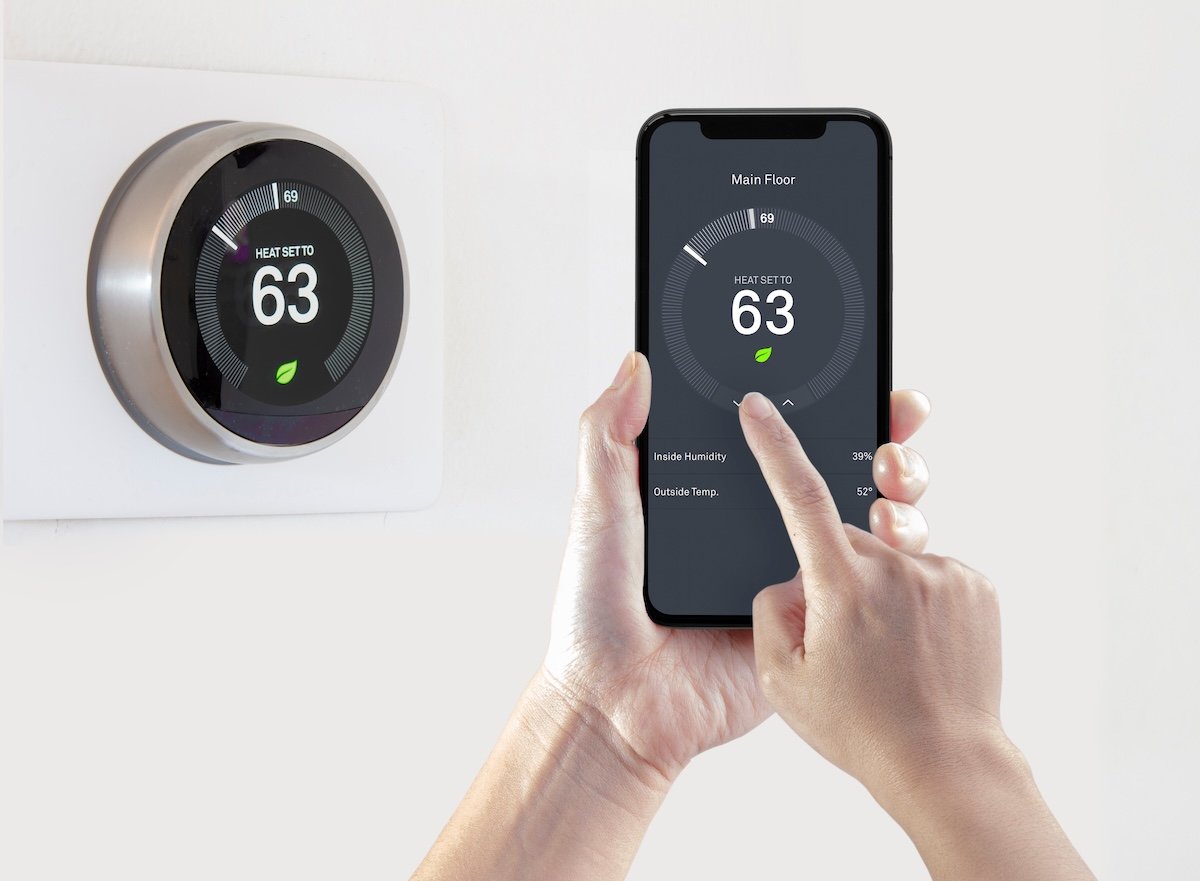
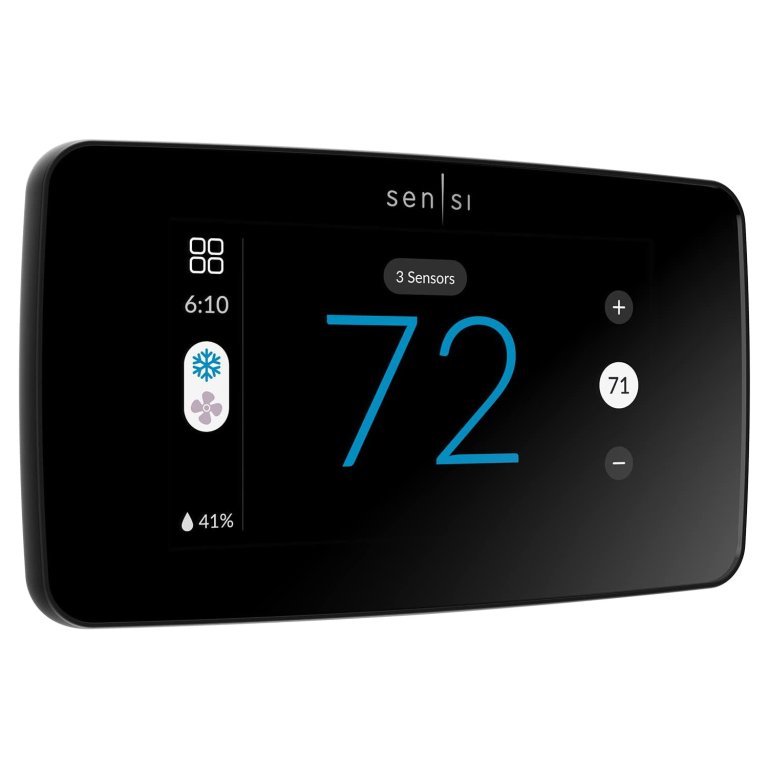
Upgrading to a smart thermostat can make it easier to match indoor temperatures to your daily routine. By setting different temperatures for different times of day, you can lower energy use when you are away or asleep and reduce heating costs.
Best Touchscreen Smart Thermostat
10. Drink Something Hot

Cold drinks may be refreshing in warmer weather, but winter is the perfect time to switch to something warmer. Coffee, tea, and hot cocoa can help warm you from the inside while still giving you a caffeine boost, if that is what you need.
11. Add More Bedding Layers
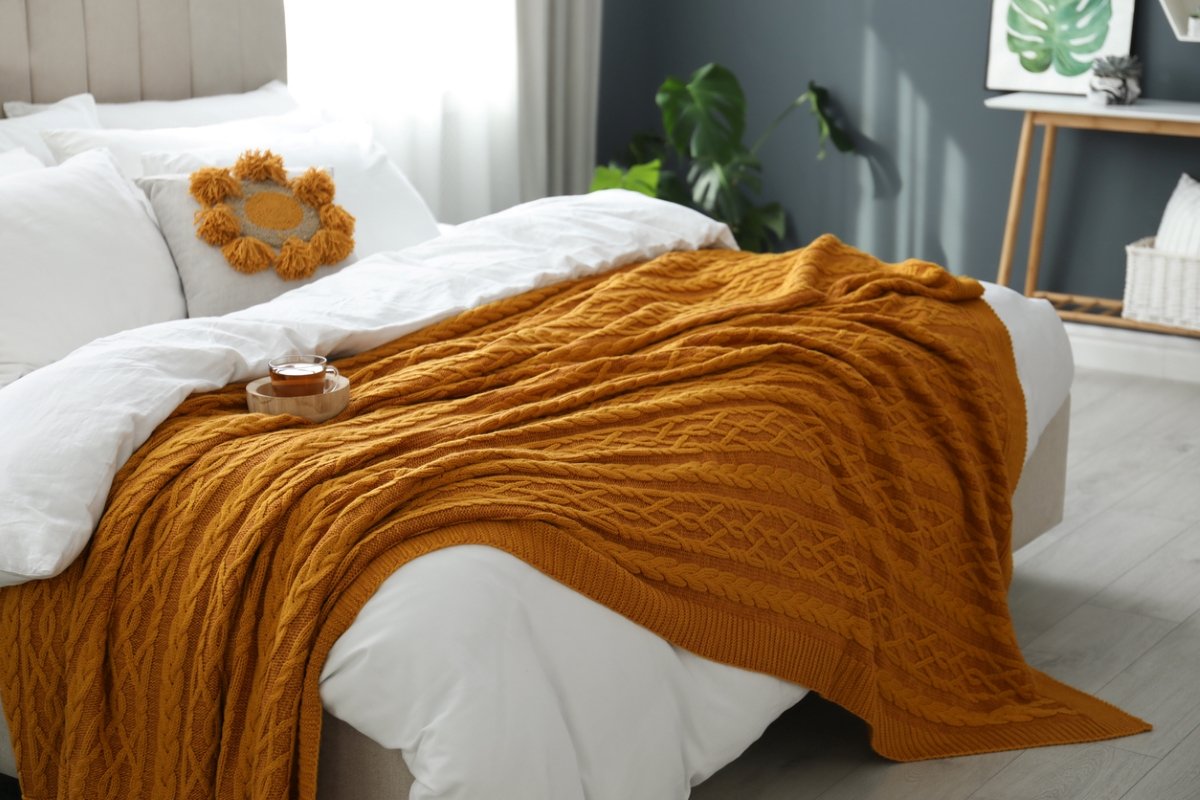
A sheet and comforter may be enough for milder seasons, but colder months call for extra layers. Flannel sheets, fleece blankets, or an electric blanket can help keep you warm while allowing you to set the thermostat a little lower overnight.
12. Use the Fireplace Wisely
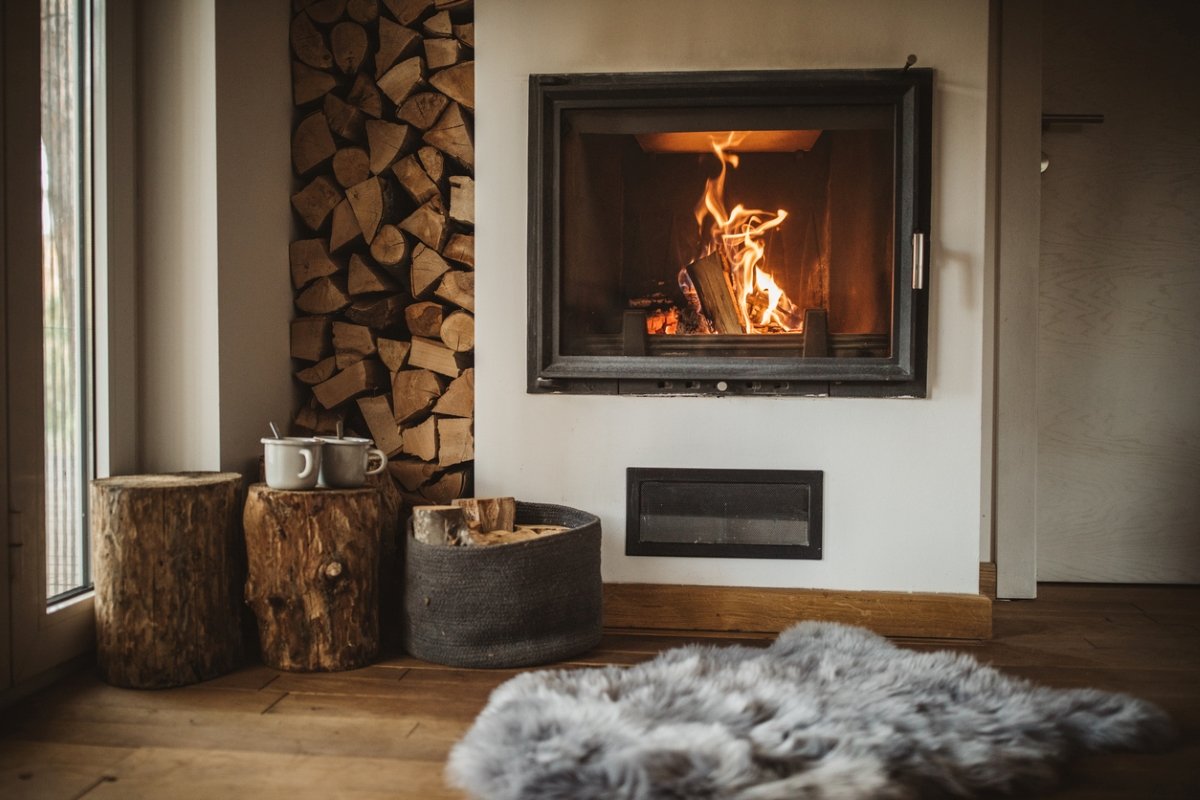
Sitting by a fire can feel comforting, but traditional fireplaces are not very efficient. Much of the heat can escape up the chimney, and an open fireplace may even draw warm air out of the room. If you want better heat output, energy-efficient wood-burning inserts are worth considering.
13. Shut the Flue
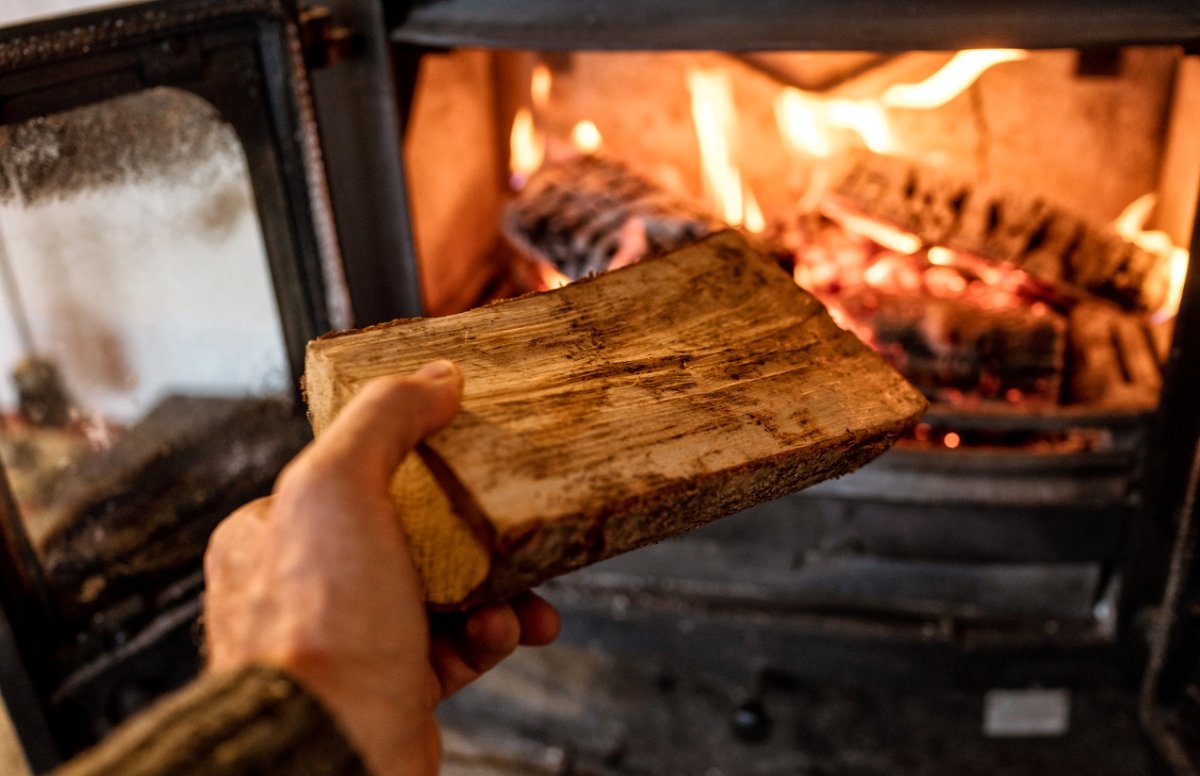
If you use the fireplace, remember to close the flue once the fire is completely out, while keeping it open during the burn. Leaving it open after the fire is finished allows warm indoor air to escape and cold air to come in.
14. Dress in Layers

Wearing layers can make a big difference in how warm you feel. At home, choose long sleeves, socks, slippers, and other cozy clothing. Some retailers even sell heat-trapping fabrics designed for colder weather. If you need a quick boost, toss a sweatshirt in the dryer for a short warm-up.
15. Keep Air Vents Clear
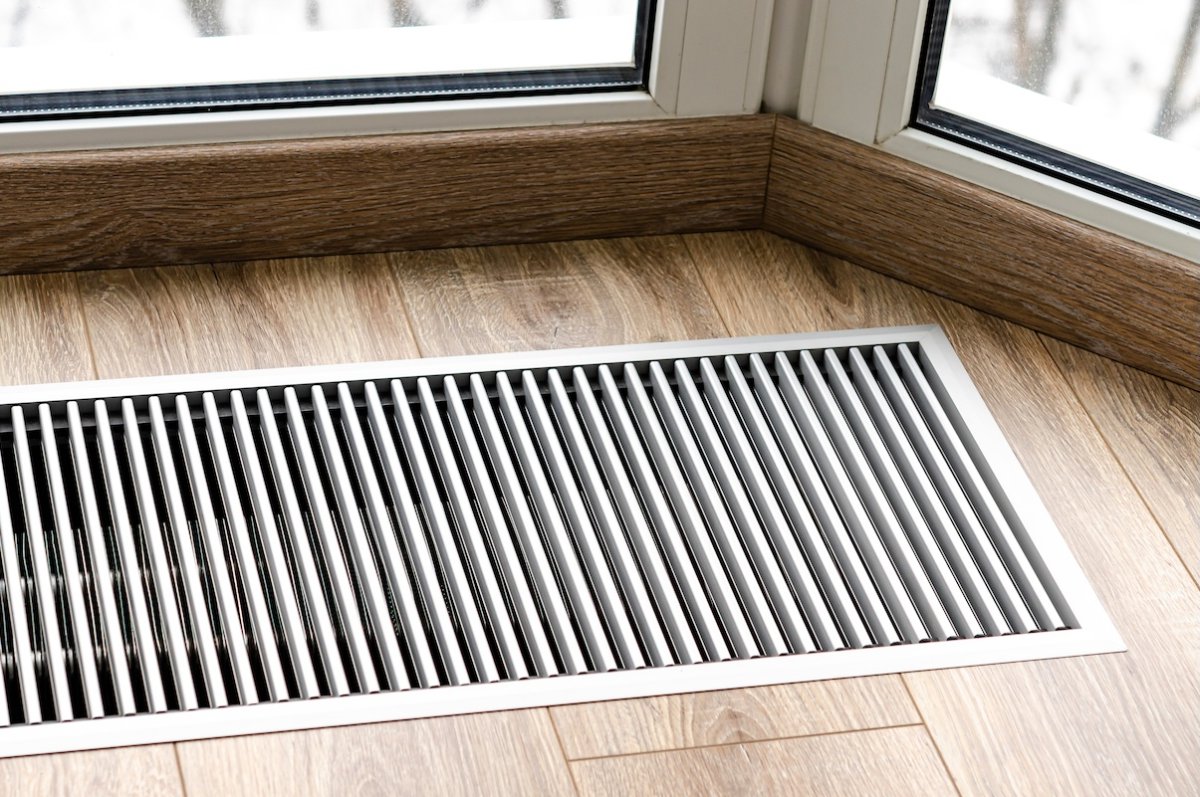
Make sure furniture and window coverings are not blocking vents or radiators. Moving furniture away from heat sources lets warm air flow more freely through the room and can keep your heating system from working harder than necessary. If rearranging is not practical, vent extenders can help route air around obstacles.
Blocked vents can also increase pressure in the ductwork and may contribute to damage over time, so it is worth checking every room carefully.
16. Inspect the Attic Insulation
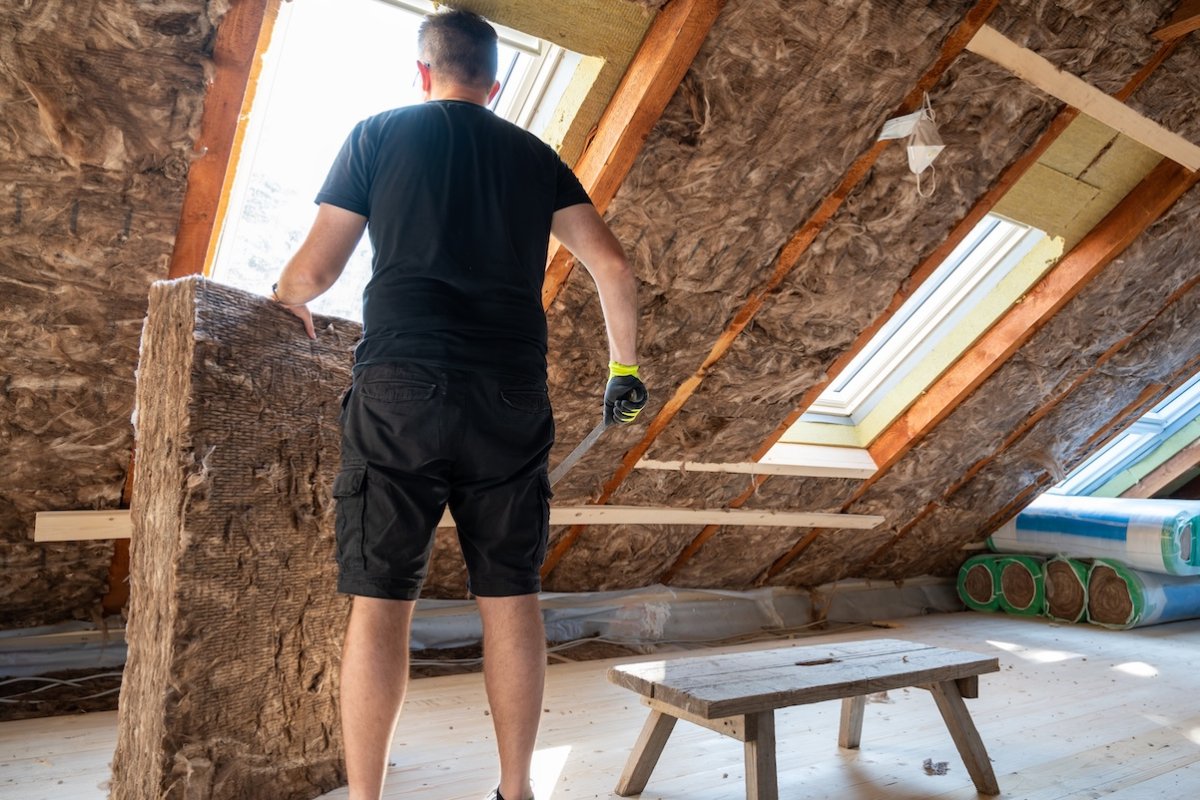
If your home has an attic, check whether the insulation is thick enough and still securely in place. Look for openings around pipes and ducts and for any loose sections. If the insulation seems thin or patchy, adding more may help improve warmth retention.
17. Put Down Rugs on Hard Floors

Area rugs can make hard floors feel much warmer underfoot. They also help block cold air that can rise from a concrete foundation or crawl space. For extra insulation and stability, place rug pads underneath them.
18. Shut Off Unused Rooms
If there are rooms you rarely use, close them off to avoid wasting heat. There is little reason to warm a guest room if no one is staying there. It also helps to close the vents in rooms that are not in regular use.
19. Arrange a Home Energy Audit
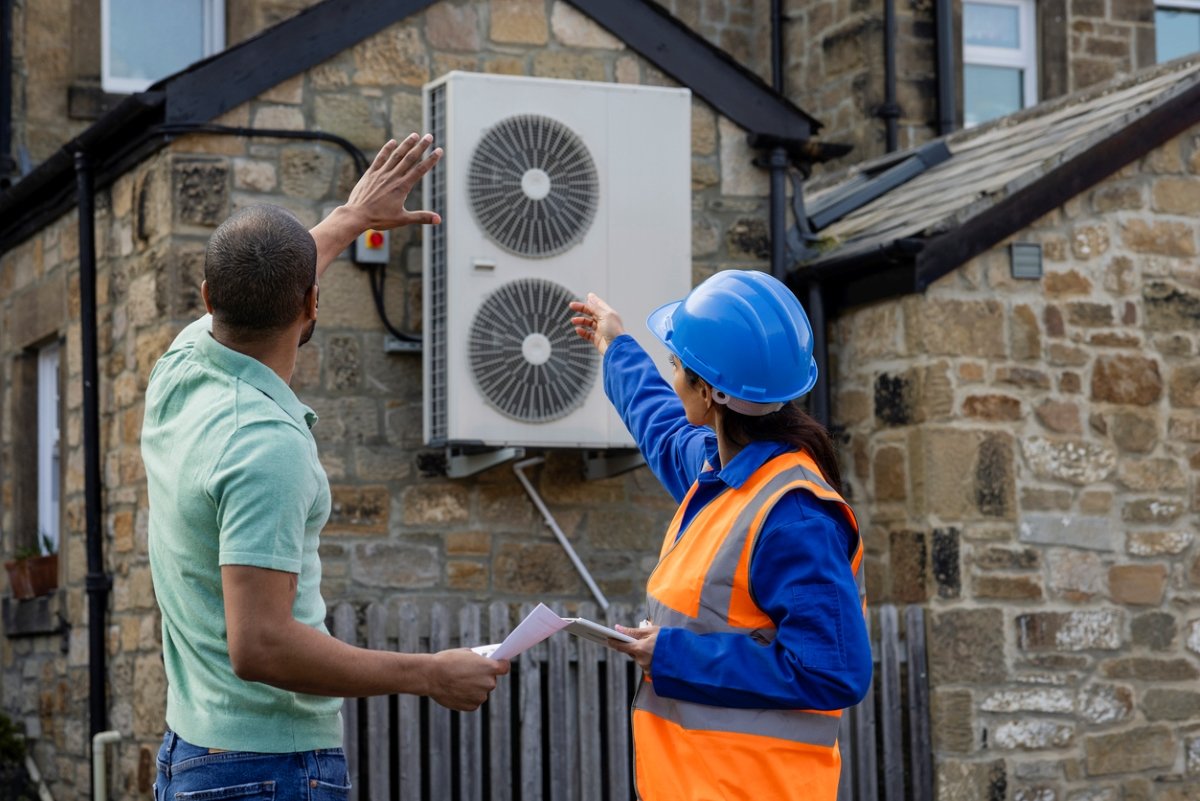
For a more complete look at where your home is losing heat, consider an energy audit. Professionals use specialized equipment to find leaks and weak spots in the home’s exterior, helping identify where sealing or insulation improvements are needed.
20. Service the Furnace
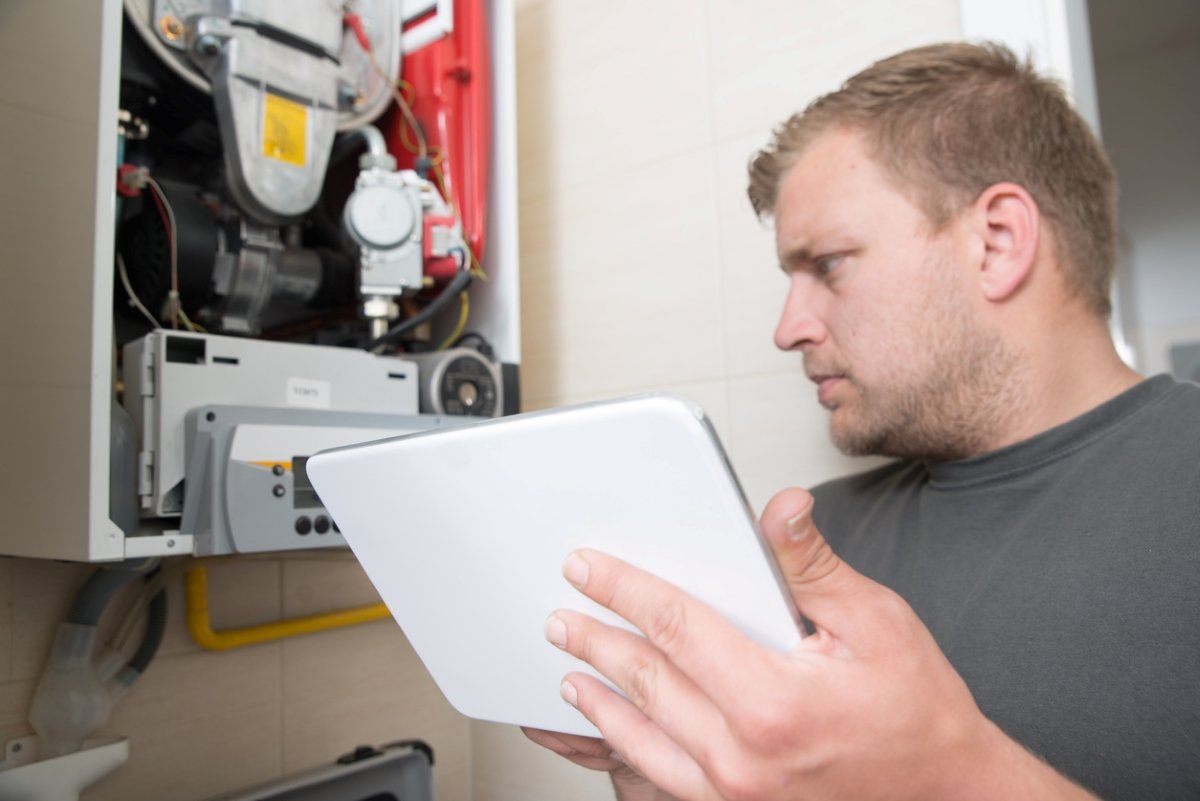
When you do turn the heat back on, make sure the furnace is ready. Having it serviced before the cold season can help improve efficiency and lower heating costs. Regular maintenance helps the system run at its best.

Old Houses Aren’t Scary: What We’ve Learned and Loved About Them
From crown molding and built-ins to creaky floors and drafty windows, older homes come with both character and challenges. That is why we are highlighting the features that make them worth loving, living in, and improving. Explore historic house styles, practical maintenance advice, and unusual details that newer homes often lack.
More from Digilifetrends
Century home ceiling repair sparks nerves, but neighbors point to a budget DIY fix
A plumbing fix in a 1912 house turned into another surprise for a young couple after a leak higher up the pipe meant the ceiling had to be opened.
2 min read · Published 2026-11-05Heat pump water heater owners say the energy savings are worth it
For many homeowners, replacing appliances such as water heaters can lead to lower energy bills. For others, however, those upgrades can also create expensive new headaches.
3 min read · Published 2026-11-04Pennsylvania homeowner explores how a wood stove may improve a heat pump water heater
A Pennsylvania homeowner considering a heat pump water heater asked other homeowners for guidance on an unusual setup: putting the unit in a basement warmed by a wood stove.
3 min read · Published 2026-11-04