Money in 1976 had a very different feel: coins jingled in pockets, cash registers rang, and grocery store checkouts often meant pulling out a checkbook. Half a century later, that same person might be surprised by how often money is now invisible. Americans can pay for groceries with a phone, invest in assets that have no physical form, and send funds across the country in seconds.
Some of the biggest changes go beyond technology. Certain coins are no longer minted, retirement saving works in a new way, and even the dollar bill now has a global reach. These 18 facts highlight how dramatically American money has changed since carrying cash was nearly unavoidable.
1. The Penny Has Finally Been Phased Out
After 232 years, the United States ended production of pennies for regular circulation in November 2025. The logic was simple: minting a one-cent coin cost 3.69 cents. Existing pennies are still legal tender, but the familiar copper-colored coin is no longer being made for everyday use.
2. Cash Now Accounts for Only About One in Seven Payments
Telling someone in 1976 that most purchases would no longer involve physical cash would have sounded far-fetched. Federal Reserve research showed cash made up about one in seven consumer payments in 2025. Even so, it has not disappeared; many Americans still use it now and then, even as their wallets get thinner.
3. Bank Transfers Can Arrive in Seconds
There was a time when waiting for a check to clear required real patience. Now, banks that participate can use the Federal Reserve’s FedNow system to move money in seconds, including on Sundays and holidays. Introduced in 2023, it makes the old multi-day wait feel archaic.
4. Government Checks Are Fading Away
For decades, getting a government check in the mail was routine. That practice began to disappear for most federal payments as electronic transfers became the preferred option. The Treasury said paper checks were more than 16 times as likely to run into problems such as theft, loss, or delays.
5. The 401(k) Did Not Exist in 1976
Today’s familiar 401(k) retirement plan would have meant little to most workers in 1976. The law establishing it came later, with the key framework arriving in 1978 and further clarification in 1981. Instead of relying mainly on traditional pensions, many Americans now make investment choices that directly shape their retirement savings.
Trending on Wealth Gang
6. Small Purchases Can Be Divided Into Four Payments
Buying on installments is not new, but doing it instantly at checkout would have seemed unusual 50 years ago. Modern buy-now-pay-later services often split purchases into four payments, usually without interest if paid on time. The convenience is appealing, though multiple small payment plans can become hard to keep track of.
7. Paper Savings Bonds Have Become Rare
Savings bonds used to make a respectable birthday or graduation gift, and you could hold the colorful certificate in your hand. New U.S. savings bonds are now bought electronically, after paper sales through banks ended in 2012 and the remaining tax-refund option disappeared in 2025.
8. People Invest in Money That Has No Physical Form
Bitcoin would have been a strange concept in a world centered on dollars, checks, and bank accounts. Created in 2009, the cryptocurrency exists on a decentralized digital network instead of as physical coins. Since 2024, investors have also been able to access it through U.S.-listed spot Bitcoin exchange-traded products.
Sign up for our newsletter
Subscribe to Wealth Gang and get exclusive tips, top deals, and money-saving ideas sent directly to you.
9. Deposit Insurance Covers Far More Than It Used To
In 1976, federal deposit insurance generally protected up to $40,000 per depositor at an insured bank. Today, the standard limit is $250,000 per depositor, per insured bank, per ownership category. That is more than six times the old amount, although inflation softens the comparison.
10. Stock Trades Clear Much Faster
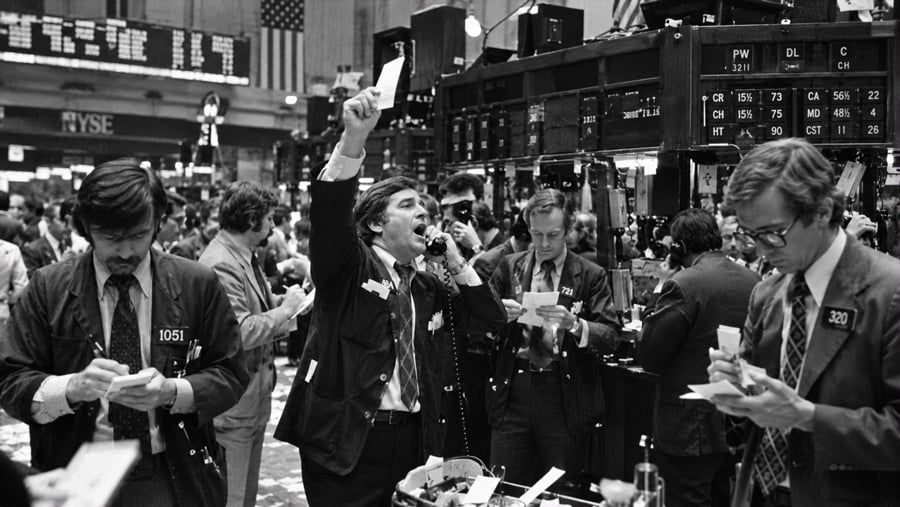
Wall Street in the 1970s still depended on heavy paperwork and long waits. Since May 2024, most U.S. securities trades settle in just one business day. Sell shares on Monday, and the deal usually settles on Tuesday. The old paper-based system would barely recognize the modern one.
11. The United States Still Prints Billions of Bills
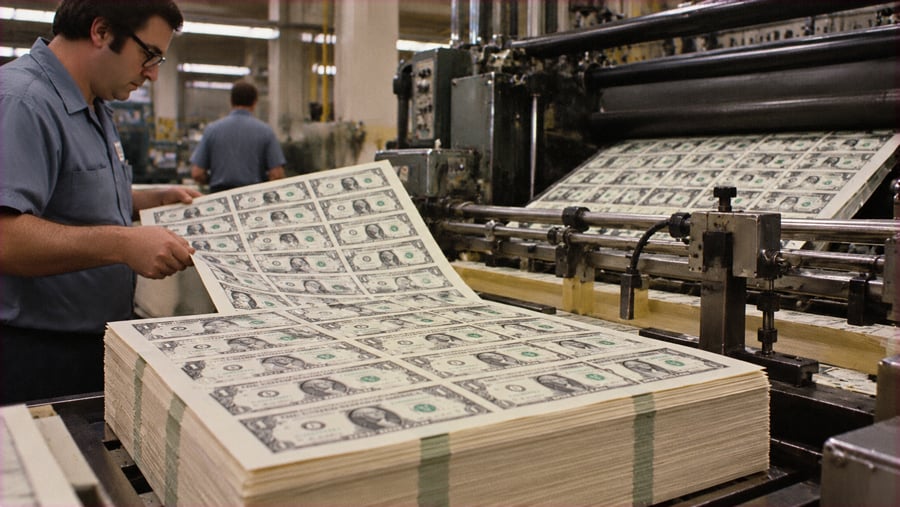
With cards and phones handling so many purchases, it might seem like cash printing would be fading away. It is not. The Federal Reserve’s 2026 order called for about 3.8 billion to 5.1 billion new banknotes, with a total face value of as much as $140 billion. That is a striking amount of paper for a supposedly cashless era.
12. Pennies Changed Their Main Metal
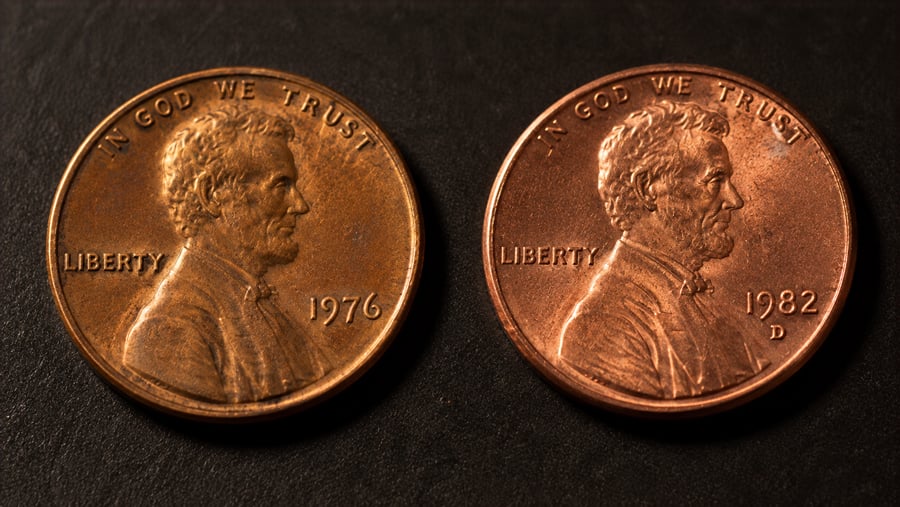
A penny in 1976 was made of about 95% copper. In 1982, higher metal costs pushed the U.S. Mint toward a cheaper blend: 97.5% zinc with a thin copper coating. For decades after that, Americans carried coins that looked the same but were mostly made from a different metal.
13. Young Adults Now Make Nearly Half Their Payments by Phone
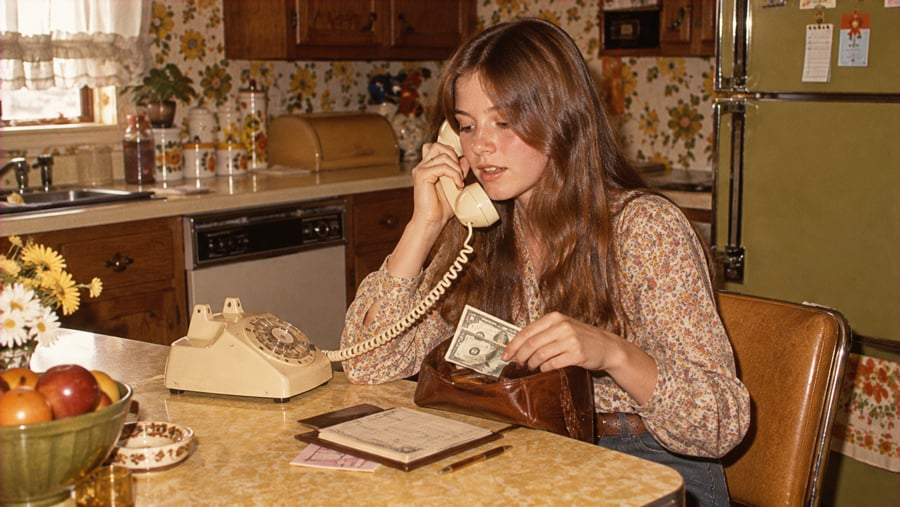
In 1976, a telephone was for making calls, ideally without dragging the cord across the kitchen. By 2024, Americans ages 18 to 24 were making 45% of their payments with mobile phones. The device once attached to the wall had become a wallet, checkout tool, and banking app all at once.
14. The $100 Bill Circulates Well Beyond the U.S.
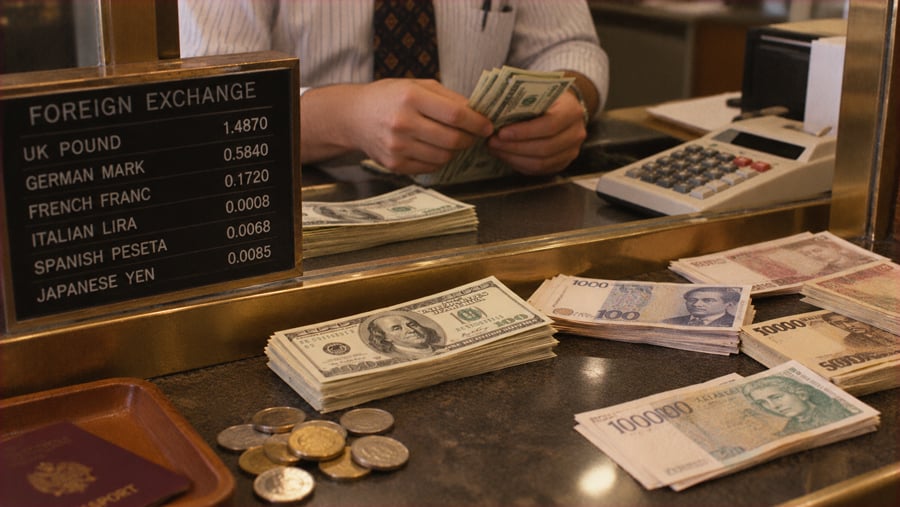
Benjamin Franklin has become an international traveler of sorts. The $100 bill is widely held outside the United States, often as a store of value rather than a tool for everyday spending. Federal Reserve research has documented substantial overseas holdings, giving American currency a second life abroad.
15. Credit Card Debt Has Crossed $1 Trillion
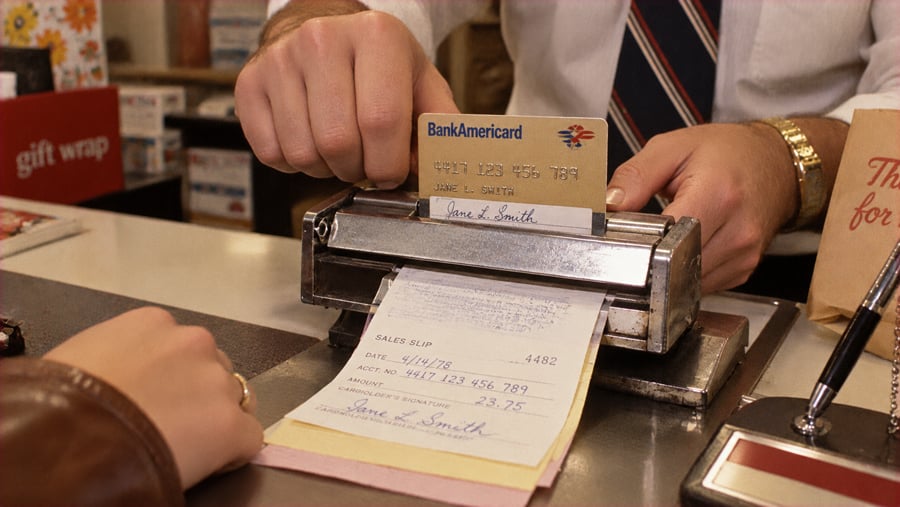
Credit cards were already part of American life in 1976, but today’s balances would have been hard to imagine. By the third quarter of 2025, U.S. credit card debt had reached about $1.2 trillion. Inflation and population growth matter, but the total still makes those old embossed cards look powerful.
16. Paying a Friend Back Is Easier Than Ever

Splitting a dinner bill once meant digging through pockets for cash or promising to mail a check later. By 2023, mobile apps accounted for half of person-to-person payments in Federal Reserve research. Today, settling a five-dollar debt can take only seconds, with no need to search for loose change.
17. You No Longer Need to Buy a Whole Share

Investing used to feel like an exclusive club with a steep entry fee. Now, some brokerage platforms allow fractional shares, so investors can put in a small dollar amount without buying a full share. A high-priced stock is no longer out of reach for smaller investors.
18. The Roosevelt Dime Got a New Look
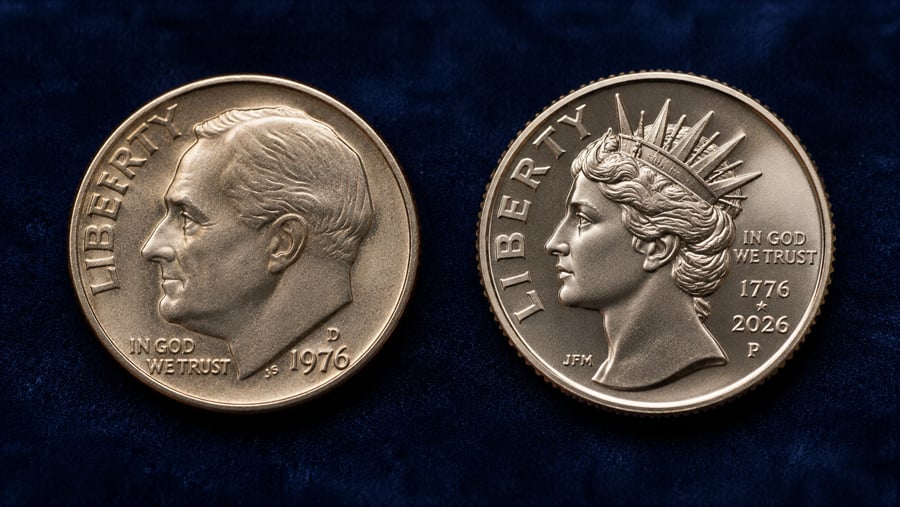
In 1976, the nation’s Bicentennial designs appeared on quarters, half dollars, and dollar coins, but the Roosevelt dime remained unchanged. For the country’s 250th anniversary in 2026, the Mint introduced a temporary dime design featuring Liberty. Even pocket change got a special update for the celebration.
More Related Notes
Discover the surprisingly simple habits tied to old money, from careful spending to financial traditions that have helped families preserve wealth over generations.
Those forgotten office supplies gathering dust may deserve another look. Explore vintage workplace items that collectors still hunt for.
From unusual currency history to unexpected financial facts, these discoveries show that the world of money is often stranger than it appears.
More from Digilifetrends
Why Many Americans Worry About Outliving Their Retirement Money
The human lifespan is getting longer, but for many Americans that prospect feels less like good news and more like a financial risk. A recent Ethos survey found a noticeable gap…
2 min read · Published 2026-11-03She Inherits a $400,000 IRA From Her Father and Wants a Roth Conversion. The IRS Says No
Federal rules block a move that may seem sensible on the surface, and the account custodian has no authority to approve it. The real lesson is that the IRS draws a hard line here,…
5 min read · Published 2026-11-03Financial Focus®: Is the FIRE movement a fit for you? What early retirement really requires
The appeal is easy to understand: leaving the 9-to-5 years ahead of schedule and living life on your own terms. You may have heard of the FIRE movement, but what does it actually…
2 min read · Published 2026-11-03