Every generation has had its own moment when the future seemed to show up early. It might have been the first time a television image flickered onto a tiny portable screen, a car phone rang from the center console, or a movie came home on a shiny disc that looked almost too futuristic to handle.
For a time, these inventions felt like previews of everyday life to come. Families rearranged their living rooms around them, teenagers asked for them, and ads promised that life was about to get easier. Then something faster, smaller, or simply more practical replaced them. These 16 technologies once looked like the future, but now they mostly live on in old photos, forgotten cabinets, and memories.
1. LaserDisc Players
Pulling a LaserDisc from its oversized sleeve felt closer to handling a record than loading a movie. The glossy discs promised very sharp home video, and the players themselves looked suitably futuristic beneath a television. For the families that invested in the format, though, that future did not last long.
2. Car Phones
A phone permanently mounted between the front seats once seemed like something reserved for executives and movie characters. Watching someone make a call from a car was enough to draw attention. Long before a phone lived in every pocket, being reachable from the highway felt remarkably advanced.
3. Video Calling on Picturephones
Decades before FaceTime and Zoom, companies were already imagining a world in which callers could see each other. Early Picturephones showed up in demonstrations and public installations with small screens and futuristic-looking controls. The concept was right, even if the bulky hardware was not.
4. 8-Track Tape Players
There was something appealing about sliding a chunky cartridge into the dashboard and hearing music start almost at once. No radio station was needed, and no record player was involved. For a generation of drivers, a stack of 8-tracks on the passenger seat was what portable music looked like.
5. Quadraphonic Stereo Systems
Stereo was already impressive, but four-channel sound promised to place the listener in the middle of the music. Speakers were arranged around the room, special records were bought, and hi-fi fans imagined this would become the standard way everyone listened. Instead, quadraphonic systems became a fascinating side road in audio history.
6. Portable Television Sets
Carrying a television from room to room once felt like a small miracle. Some portable sets had antennas sticking out of the top and screens barely bigger than a postcard, but that hardly mattered. The impressive part was being able to watch TV somewhere other than the living room.
7. Home Intercom Systems
A button on the kitchen wall could summon someone from an upstairs bedroom without anyone needing to raise their voice. Built-in intercoms showed up in many mid-century homes as a distinctly modern convenience, sometimes paired with a radio or front-door speaker. Today, finding one still on the wall feels like discovering a small control panel from another era.
8. Electronic Typewriters
The familiar clatter of the typewriter changed when electronic models arrived. Suddenly there were correction features, small displays, memory functions, and keys that required very little force. For offices used to ribbons and correction fluid, these machines felt like a major step forward, just before personal computers transformed the desk completely.
9. Videotex Terminals
Before the modern internet, there were already attempts to bring news, banking, shopping, and information onto a home screen. Services such as Viewtron offered colorful menus that users could move through on a special terminal. In hindsight, the screens look primitive, but the idea behind them feels very familiar.
10. Betamax Players
For a short time, no one knew which videotape format would end up under America’s televisions. Betamax offered excellent picture quality and looked like the start of a new home-entertainment era. Many households chose it, only to watch VHS become the format that filled video-store shelves.
11. Pocket Electronic Translators
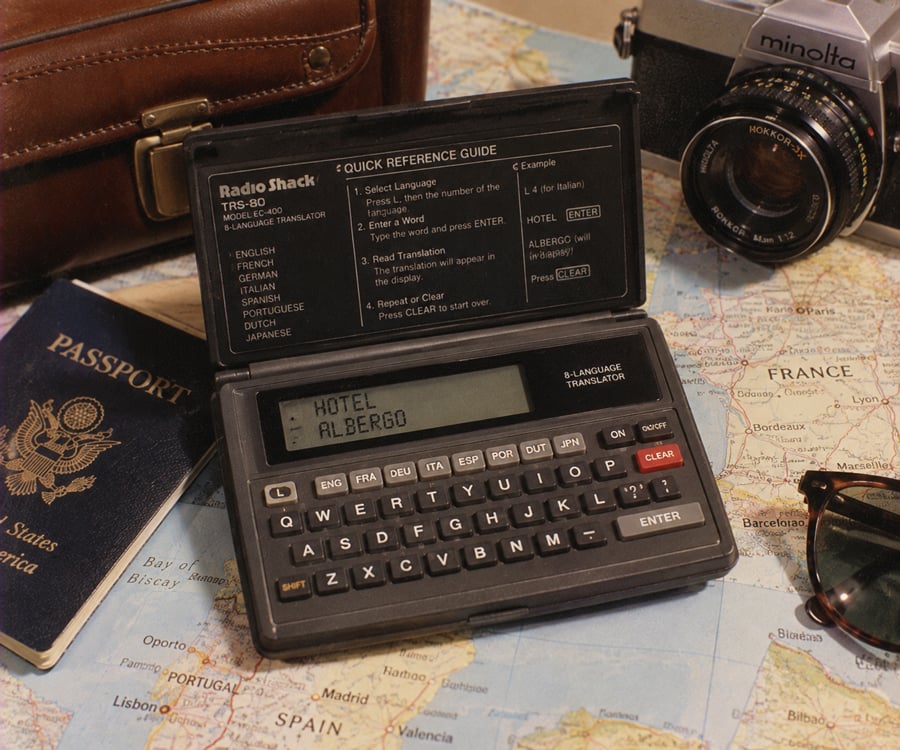
A tiny electronic device that could turn one language into another sounded almost unbelievable. Travelers could type in a word or phrase and get a translation without opening a phrasebook. The little keyboards and monochrome screens now look charmingly dated, but carrying a translator in your pocket once felt like science fiction.
12. TV Typewriters
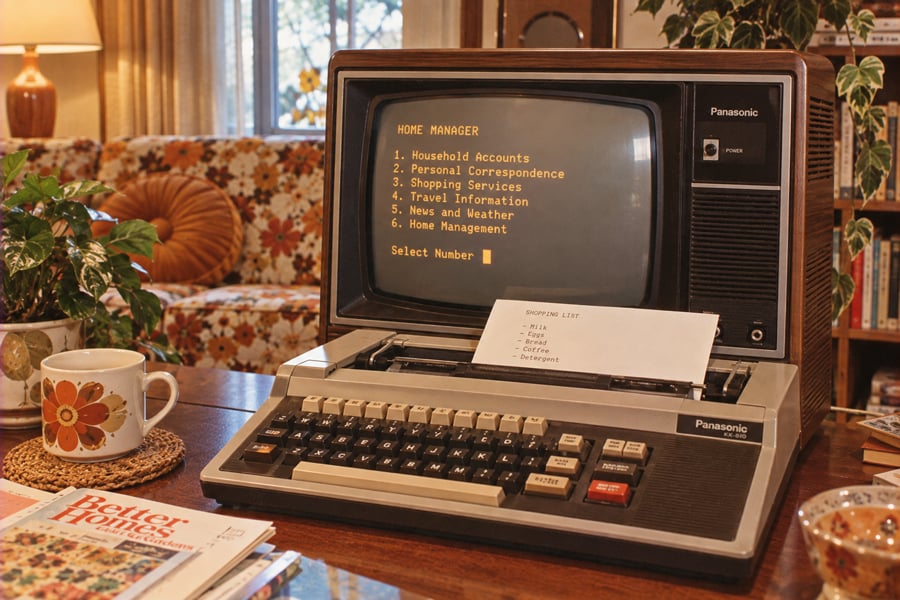
In the 1970s, the idea of typing words onto an ordinary television screen was exciting enough to capture hobbyists and early computer enthusiasts. Devices known as TV typewriters turned the family set into a basic text display. There was no sleek monitor or colorful interface, just glowing characters on a screen, yet it hinted at the computers that were on the way.
13. CED VideoDisc Players
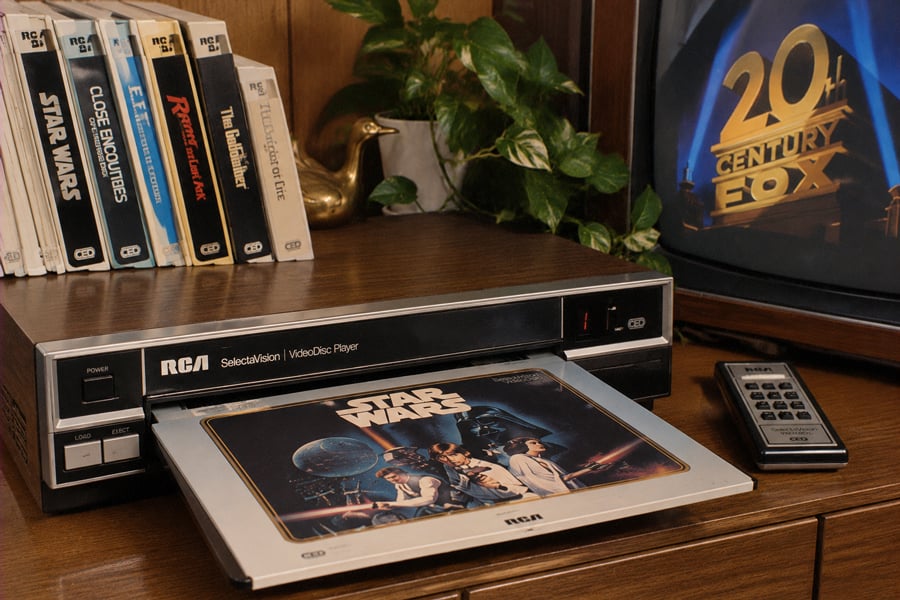
Imagine bringing home a movie on a disc that stayed protected inside a plastic caddy. RCA’s CED system did exactly that, using a needle-like stylus to read movies from physical discs. It arrived after years of development and big ambitions, but the format faded away surprisingly fast.
14. Home Satellite Dishes
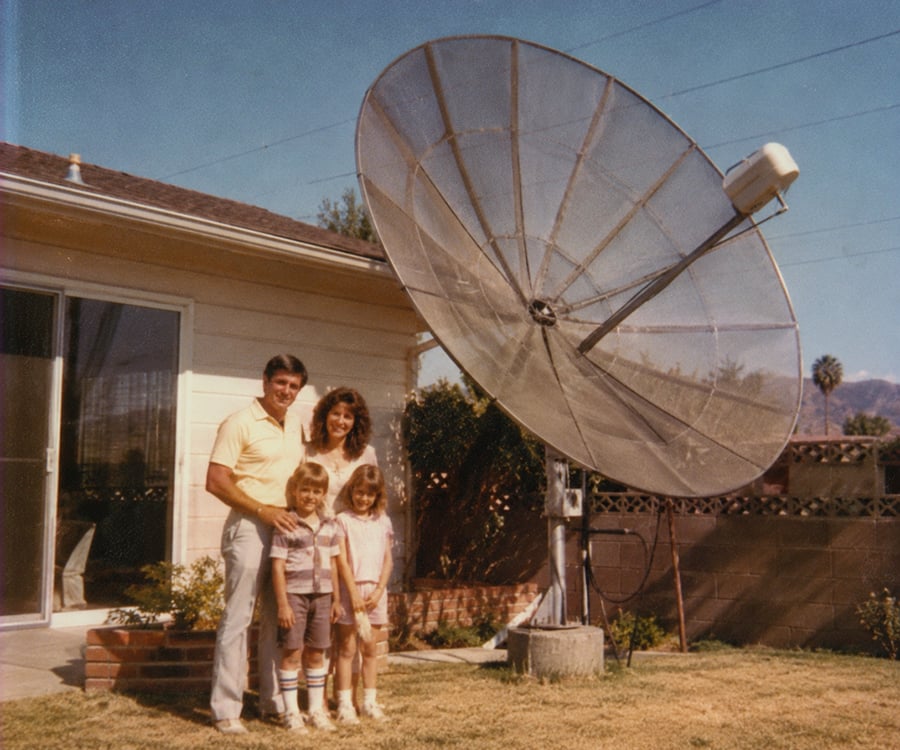
Those huge dishes sitting behind suburban and rural homes once looked like personal communication stations. Owning one could bring in television channels from far beyond the local lineup, and adjusting the dish became part of the experience. Over time, the giant backyard hardware gave way to something much less dramatic.
15. Pocket TVs
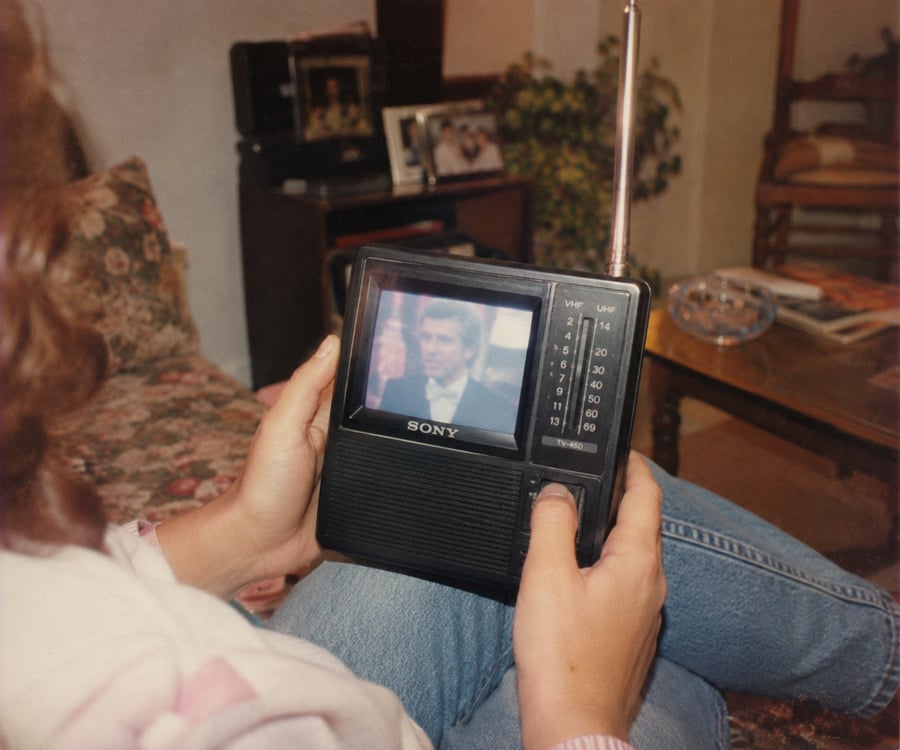
If a portable television was exciting, a set small enough to fit in one hand seemed even better. Pocket TVs packed a tiny screen, antenna, tuner, and controls into a remarkably compact device. Watching anything on one required patience and good reception, but pulling a television out of a bag still felt like showing off the future.
16. The Videophone
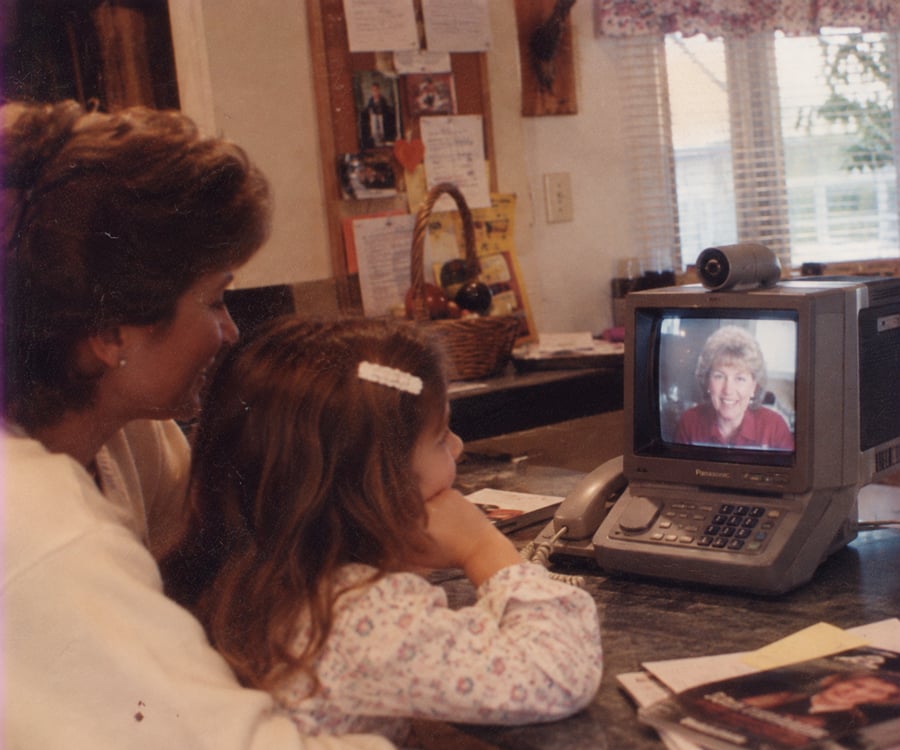
The dream never really went away. Through the 1980s and 1990s, companies kept introducing dedicated videophones that promised face-to-face conversations from home. Advertisements showed families smiling at relatives on tiny screens, suggesting that soon everyone would own one. In a way, they were right. The videophone did become ordinary; it simply ended up inside something else.
More Related Notes
The post 16 Technologies Americans Thought Were the Future but Disappeared appeared first on Wealth Gang.
More from Digilifetrends
10 things people born in the 1980s have nearly forgotten
If you grew up in the 1980s, you probably remember a time before constant screens and online distractions, but after the shift into the digital age began.
2 min read · Updated 2026-10-1272 Vintage Gadgets That Make Yesterday’s Tech Feel Like True Design
Modern electronics have made daily life far easier than it was a few decades ago. Smartphones now do the work of IDs, wallets, music players, and movie players all at once, and…
5 min read · Updated 2026-10-1272 Retro Gadgets That Show Why Old Tech Still Feels So Cool
Modern electronics have made everyday life much easier than it was a couple of decades ago. Smartphones now double as IDs, wallets, and portable players for music and movies,…
6 min read · Updated 2026-10-12