Generational differences have long fueled debate, but the gap between Boomers and Gen Z often feels especially pronounced. Boomers are frequently associated with tradition, while Gen Z is known for being digitally fluent and socially progressive. Shaped by very different eras, the two groups tend to approach daily life in contrasting ways, from communication and work to fashion and values. Here are sixteen areas where those differences show up most clearly.
1. Technology
Boomers and Gen Z have very different relationships with technology. Boomers grew up in an analog world, while Gen Z has always lived with digital tools. Smartphones, social platforms, and instant messaging are central to Gen Z’s everyday routine, which can seem overwhelming to older generations.
Many Boomers still prefer in-person conversation or a phone call over texting. For them, technology is mainly a tool; for Gen Z, it is often part of the way life itself is organized. That difference reflects deeper contrasts in how each generation thinks about communication and connection.
2. Work Habits
Work ethic is another major dividing line. Boomers are often linked with loyalty to one employer, steady advancement, and long-term commitment. They were shaped by a time when climbing the career ladder was widely seen as the path to success.
Gen Z tends to value flexibility, purpose, and balance more than traditional career loyalty. Job changes are more common, and remote work or location-independent careers appeal to many of them. This reflects changing economic conditions as well as shifting expectations about work.
3. Style
Fashion often reflects generational identity. Boomers usually lean toward classic looks that emphasize durability, elegance, and tradition. Their wardrobes often include timeless pieces that signal a preference for reliability over novelty.
Gen Z, by contrast, is more likely to favor bold, mixed, and expressive clothing choices. Sustainable labels, thrifted finds, and upcycled pieces are popular because they combine individuality with environmental awareness. That contrast says a lot about the broader cultural divide between the two groups.
4. Music
Music is one of the clearest ways to see generational change. Boomers came of age during rock and roll’s classic era, with bands such as The Beatles and The Rolling Stones shaping their tastes. Live instruments and strong lyrics remain central to what they often enjoy.
Gen Z, meanwhile, is more drawn to electronic production, hip-hop, EDM, and K-pop. Their playlists reflect a global, digitally connected world. The difference is not just about taste; it also mirrors how music is created and shared now.
5. Communication
Communication styles also reveal a clear divide. Boomers are generally more comfortable with formal language, letters, and phone calls, and many see careful writing as a sign of respect and professionalism.
Gen Z communicates through emojis, GIFs, abbreviations, and digital slang, often in a quick and highly visual way. These habits can create misunderstandings, since each generation is working with a very different idea of what effective communication looks like.
6. Education
Education is another area where the two generations differ. Boomers often experienced a more traditional system centered on memorization, discipline, and standardized testing. Their classrooms were usually more rigid and authority-driven.
Gen Z has grown up with more interactive, tech-enabled learning. They can access information quickly and often place greater value on creativity and critical thinking. These different experiences shape how each generation learns and solves problems.
7. Social Priorities
On social issues, Boomers and Gen Z can land on very different sides. Boomers, shaped by periods of economic growth and geopolitical change, often place a high value on stability and security. Their activism is frequently informed by the eras they lived through.
Gen Z, raised amid climate concerns and social justice movements, tends to focus more on sustainability and equality. Social media gives them a powerful platform for advocacy, and many use it to push for change. Their priorities reflect the pressures and challenges facing younger people now.
8. Entertainment
Entertainment habits also vary widely. Boomers grew up when television was the main source of home entertainment, and many still enjoy classic films, sitcoms, and live broadcasts. Their preferences often carry a strong sense of nostalgia.
Gen Z usually prefers streaming platforms and on-demand content. Short videos, web series, and interactive formats fit their expectation of instant access and variety. This shift has changed both how people consume stories and how those stories are produced.
9. Privacy
Privacy is another common point of tension. Boomers often think of privacy in a physical sense, such as protecting documents and personal information, and they may be cautious about sharing online.
Gen Z, having grown up with social media, is generally more comfortable making parts of their lives public. At the same time, they are often aware of privacy settings and digital boundaries. Their openness reflects a world in which being online is treated as normal rather than exceptional.
10. Travel

Travel preferences show another clear split. Boomers often prefer guided tours and comfortable lodging, along with well-planned itineraries. They tend to value historical landmarks, cultural sites, and a sense of safety while traveling.
Gen Z is usually more interested in spontaneity, adventure, and immersive experiences. Backpacking, budget travel, and local interactions appeal to them more than luxury. Their approach reflects a broader preference for experience over comfort.
11. Politics

Political views frequently highlight the divide between the generations. Boomers, who have lived through major political and economic shifts, often emphasize fiscal responsibility and conservative ideas. Their outlook was shaped by Cold War tensions and periods of economic expansion.
Gen Z is generally more progressive, with strong interest in social justice, climate action, and equality. Their political engagement is often tied to a desire for systemic change and to the challenges they expect to face in the future.
12. Brands

Boomers and Gen Z also differ in how they relate to brands. Boomers often stay loyal to established names, associating them with quality, familiarity, and trust. In their era, brands were often tied to status and dependability.
Gen Z is more open to trying new brands, but only if those brands feel authentic and transparent. Sustainability and social responsibility matter a great deal, and online reviews and social media trends heavily influence buying choices. That marks a very different kind of consumer culture.
13. Wellness

Health and wellness also look different across the two groups. Boomers often favor holistic habits such as yoga and meditation, with an emphasis on long-term health, prevention, and balance.
Gen Z tends to lean toward high-intensity workouts and fitness technology. Many use apps and devices to track progress and look for quick, measurable results. This reflects how digital tools have become part of everyday wellness routines.
14. Marriage

Views on marriage have changed significantly over time. Boomers often see marriage as a lifelong commitment and value the traditional structure of family life. Ceremonies and rituals carry strong meaning for them.
Gen Z tends to take a more individualistic approach, often delaying marriage or choosing not to marry at all. Personal development and career goals may come first, and weddings, when they happen, are often more minimalist and expressive. That difference reflects broader shifts in relationships and life planning.
15. Food

Dining habits are another sign of changing lifestyles. Boomers often enjoy formal meals, fine dining, and traditional cuisine, viewing shared meals as meaningful social occasions.
Gen Z is more likely to value convenience and variety, using delivery apps or ordering takeout. They often like experimenting with food trends and different cuisines. Technology and fast-paced urban living have shaped those habits.
16. Housing
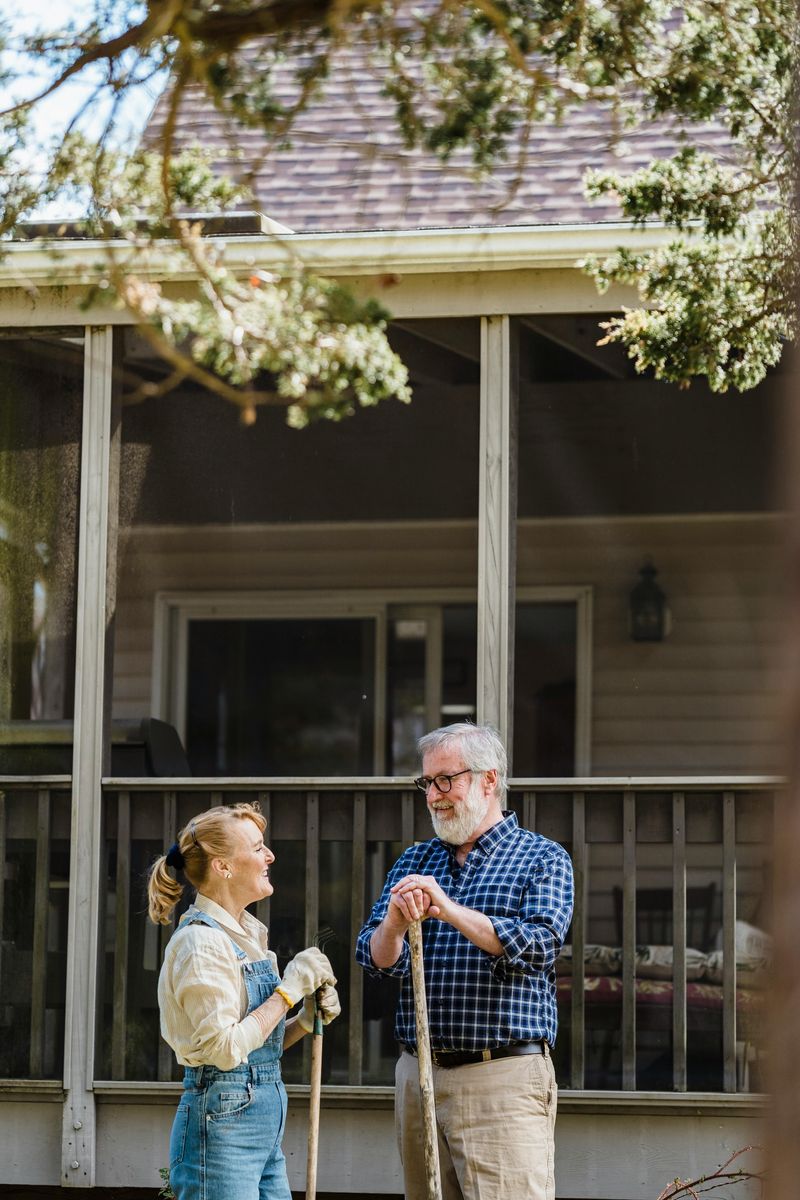
Housing preferences reveal economic and lifestyle differences as well. Boomers often prefer suburban homes that offer space, stability, and long-term value. Their homes are usually tied to ideas of permanence and community.
Gen Z, facing tighter budgets and more urban living patterns, often leans toward smaller city apartments. Location and flexibility usually matter more than size. This reflects both economic pressures and a shift in how people imagine home.
More from Digilifetrends
10 things people born in the 1980s have nearly forgotten
If you grew up in the 1980s, you probably remember a time before constant screens and online distractions, but after the shift into the digital age began.
2 min read · Updated 2026-10-1272 Vintage Gadgets That Make Yesterday’s Tech Feel Like True Design
Modern electronics have made daily life far easier than it was a few decades ago. Smartphones now do the work of IDs, wallets, music players, and movie players all at once, and…
5 min read · Updated 2026-10-1272 Retro Gadgets That Show Why Old Tech Still Feels So Cool
Modern electronics have made everyday life much easier than it was a couple of decades ago. Smartphones now double as IDs, wallets, and portable players for music and movies,…
6 min read · Updated 2026-10-12