Stepping into an American grocery store in the 1970s felt very different from entering today’s bright, expansive supermarkets. Aisles were crowded with colorful boxes, handwritten price labels, glass bottles, and products that often seemed to remain on shelves for years. Selection could be narrower in some categories, but the items stores did carry became everyday staples.
For people who grew up in that era, grocery trips had their own familiar rhythm. Children might trail behind their parents as they pushed a metal cart, watch a cashier punch numbers into a register, or hope a favorite cereal ended up in the basket. These were among the details that made a 1970s supermarket instantly recognizable.
1. Metal Shopping Carts With Child Seats
Shopping carts were built to be sturdy and were made almost entirely of metal. Children sat in the folding front seat while parents moved through the aisles, and the clatter of metal wheels across the floor became part of the grocery-store soundscape.
2. Handwritten Price Signs
Before digital signage became common, stores used handwritten signs to advertise weekly specials. Bold marker on bright paper or cardboard made those sale prices easy to spot, especially near produce displays and meat counters.
3. Price Stickers on Individual Items
There were no barcode scanners at checkout. Many products carried small adhesive price stickers directly on the package, often applied by employees using handheld pricing guns during long hours of marking goods.
4. Cash Registers With Large Mechanical Keys
Checkout lanes looked and sounded different in that decade. Cashiers keyed in prices manually on registers with large buttons, and experienced workers could move through a full cart quickly without scanning a single barcode.
5. Paper Grocery Bags
Before plastic bags became standard, groceries usually went home in large brown paper sacks. Baggers tried to place cans and boxes on the bottom, lighter items on top, and keep everything intact for the trip home.
Trending on Wealth Gang
6. Returnable Glass Soda Bottles
Soft drinks were often sold in heavy glass bottles that could be returned for a deposit. Empty bottles might sit in the garage or kitchen until the next grocery run, when turning them in brought back a little money.
7. A Full-Service Meat Counter
The butcher counter was a regular stop for many families. Shoppers could ask for a specific cut, request a certain amount of ground beef, or speak directly with the butcher instead of choosing only from sealed packages.
8. Large Displays of Canned Food
Canned vegetables, soups, fruits, and meats took up a great deal of shelf space. Families stocked up on them because they were affordable, lasted a long time, and could be turned into a meal with little preparation.
Sign up for our newsletter
Subscribe to Wealth Gang and get exclusive tips, top deals, and money-saving ideas sent directly to you.
9. Frozen TV Dinners
The freezer aisle offered an easy dinner in front of the television. Meals came in divided trays with meat, vegetables, potatoes, and sometimes dessert, giving families a convenient alternative to cooking from scratch.
10. Powdered Drink Mixes
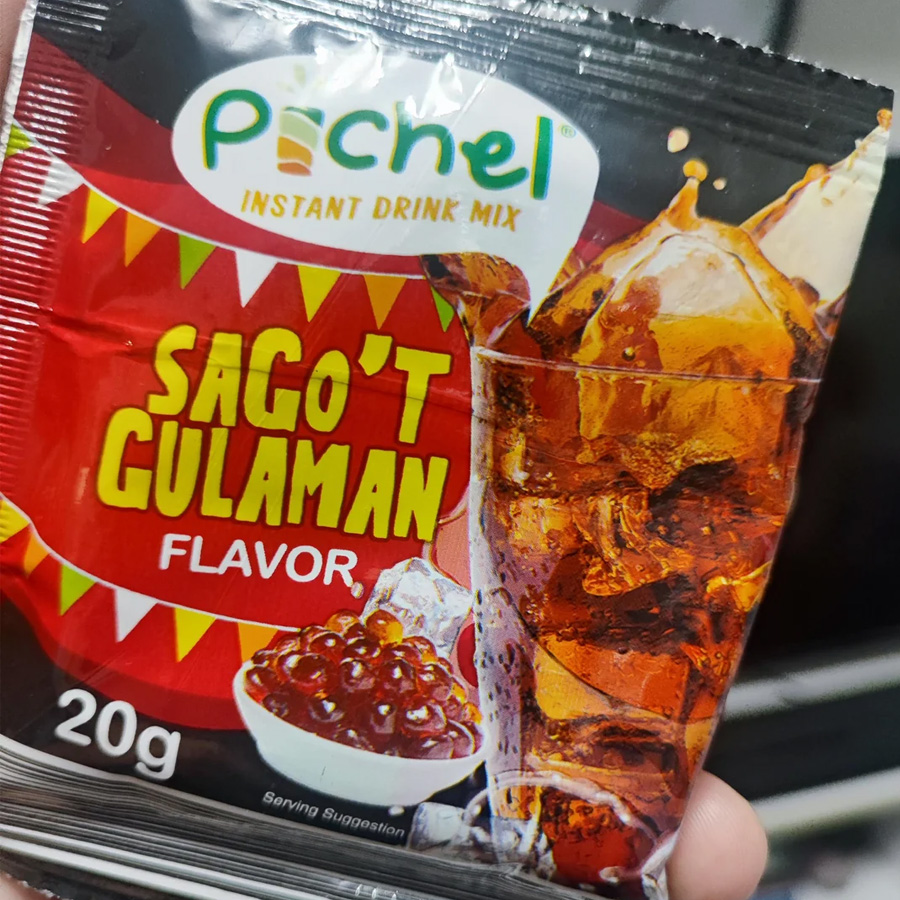
Brightly colored drink powders were pantry staples in many homes. Mixed with water and usually plenty of sugar, they filled pitchers for family dinners, birthday parties, and hot afternoons when something sweet and cold felt like a treat.
11. Boxed Gelatin Desserts
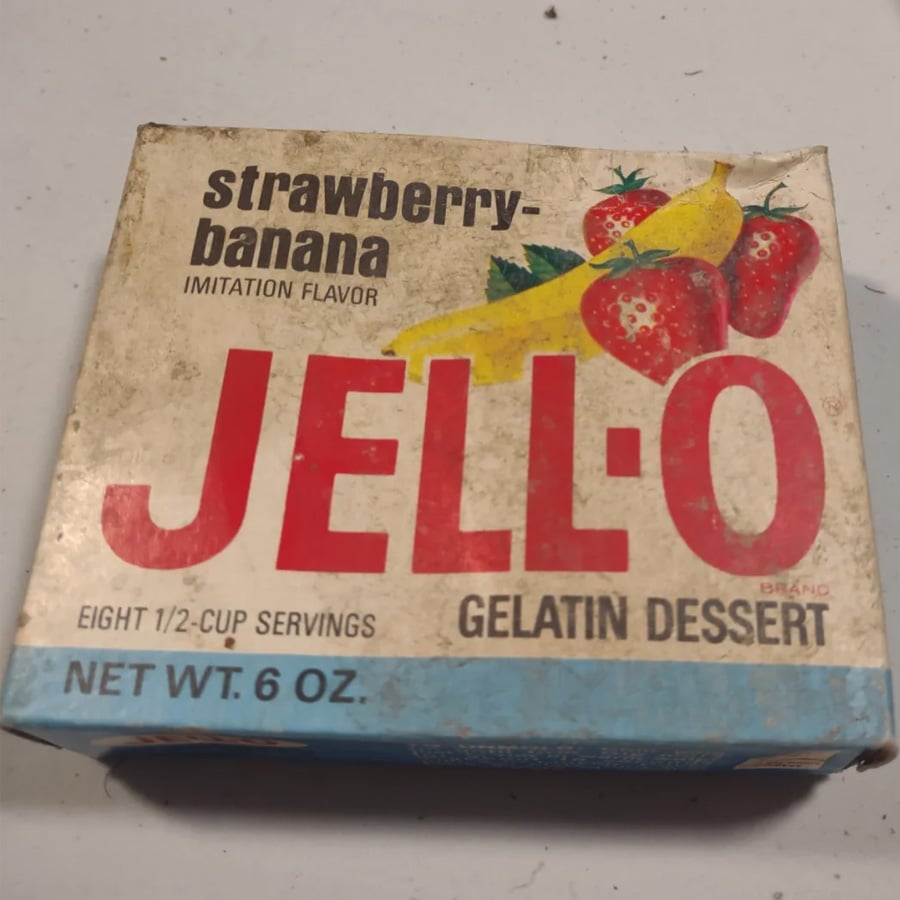
Gelatin played a surprisingly large role in kitchens of the era, and store shelves reflected that popularity. Boxes came in many flavors and could become everything from a simple dessert to a molded dish packed with fruit or other additions.
12. Coupon Displays Near the Shelves
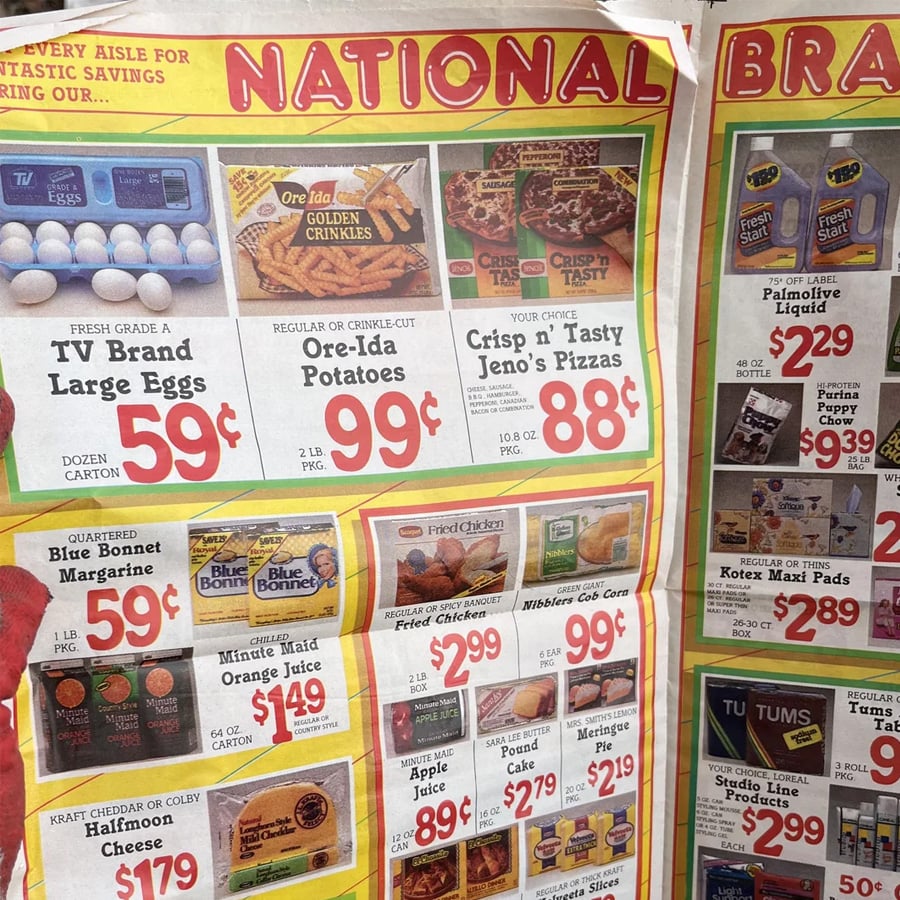
Coupons were not limited to what shoppers clipped from the newspaper. Stores also placed promotional coupons and dispensers near products, giving customers another reason to choose a particular brand.
13. Giant Boxes of Sugary Cereal
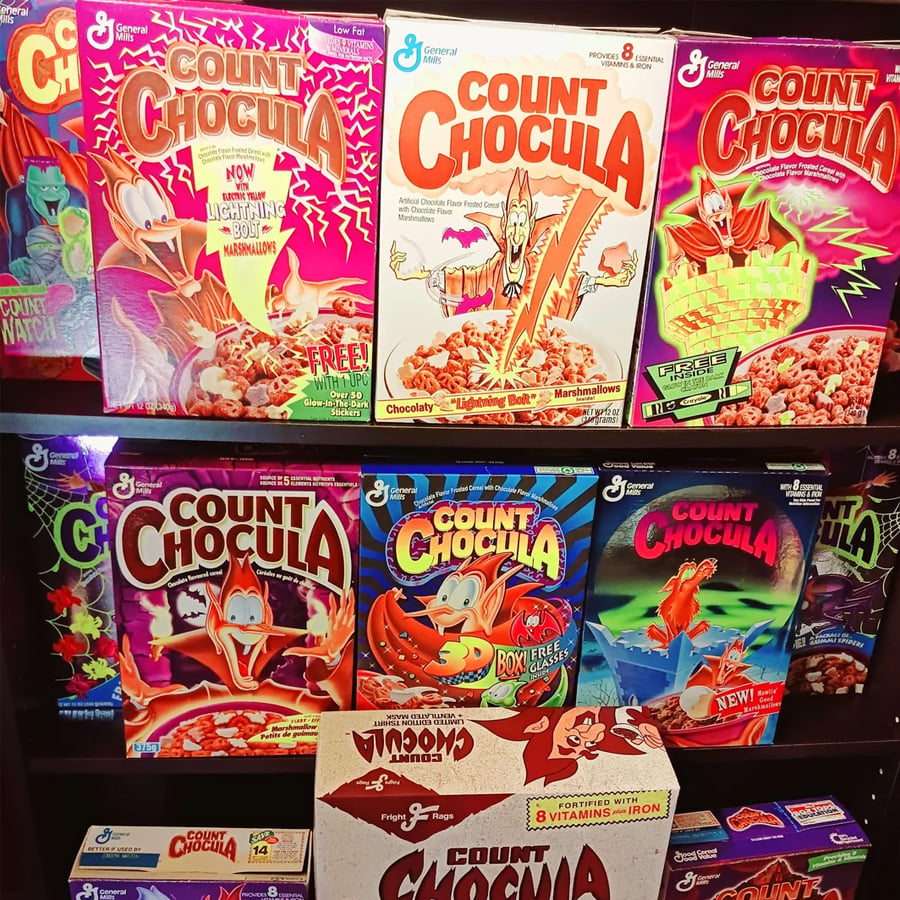
The cereal aisle was already becoming a colorful contest for children’s attention. Cartoon mascots, prizes, games, and promises of something sweet inside made breakfast cereal feel far more exciting than an ordinary grocery purchase.
14. Green Stamps and Other Loyalty Promotions
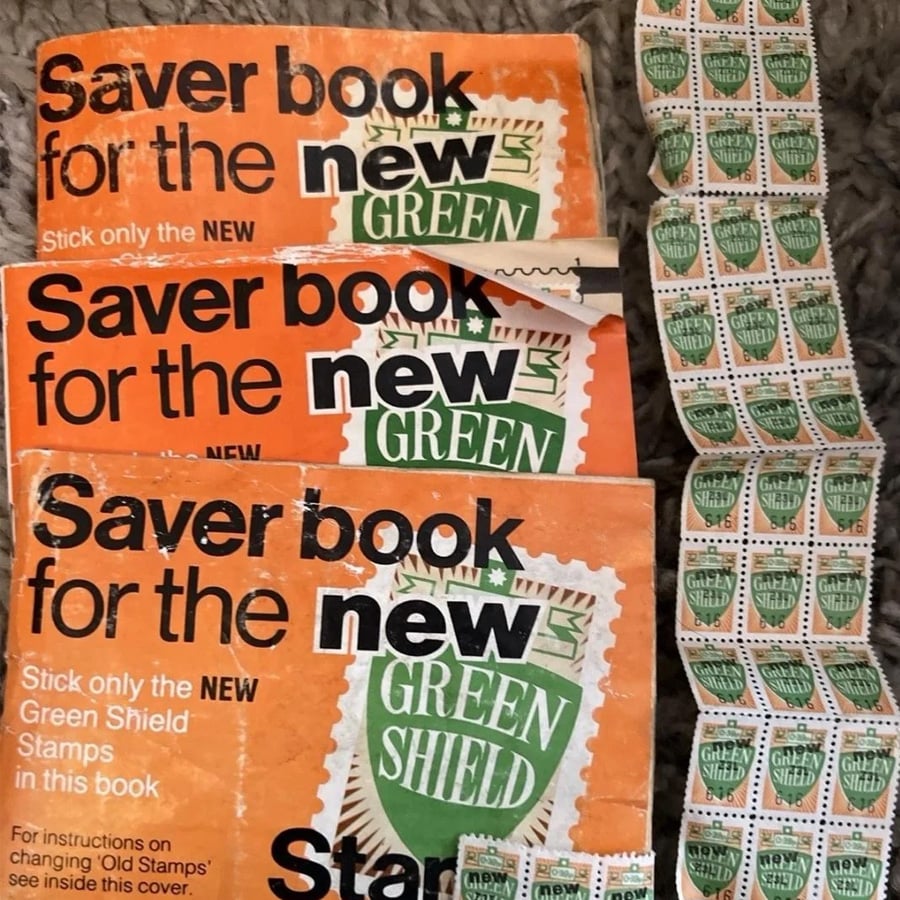
Some shopping trips came with trading stamps tied to how much a customer spent. Families saved the stamps in booklets and later exchanged completed books for household goods, turning routine grocery shopping into a slow path toward a reward.
15. A Bagging Clerk at the End of the Register
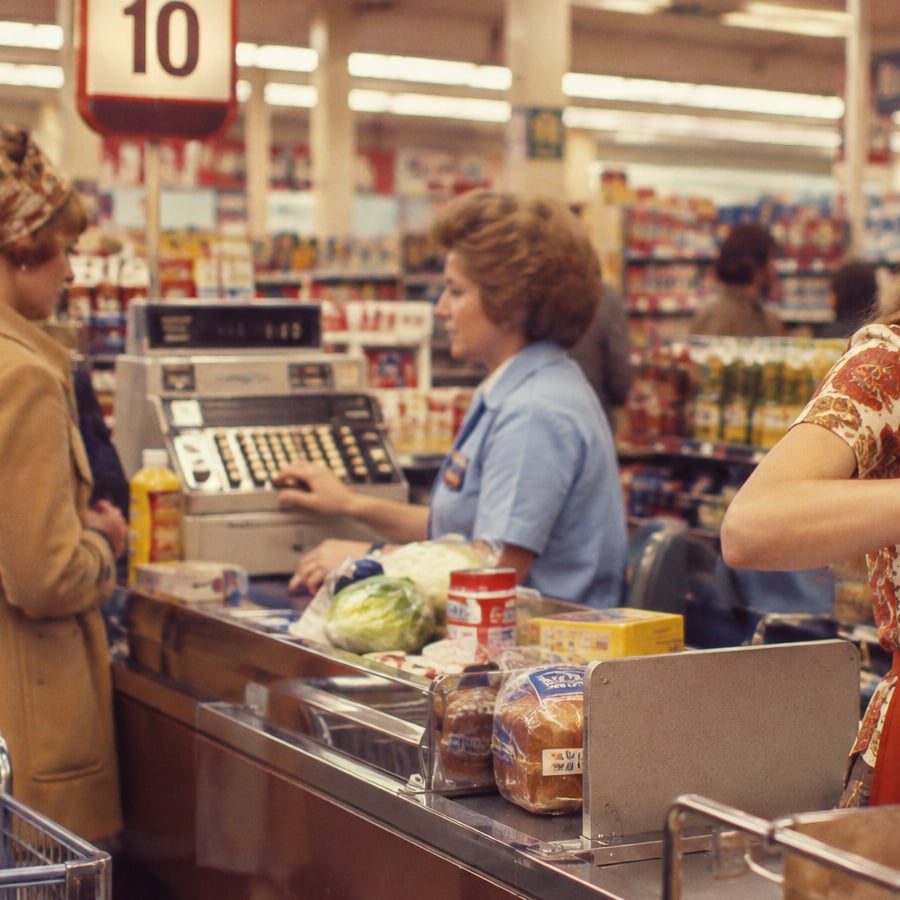
Checkout often included another worker besides the cashier. A clerk stood at the end of the lane packing purchases into paper bags and sometimes carrying them outside, a small service many longtime shoppers still remember.
More Related Notes
Take a nostalgic look at American supermarkets from before the 1970s, including familiar store displays, packaging, and shopping routines that have largely vanished.
Explore how grocery shopping and food packaging changed over the decades, showing just how different everyday supermarket shelves once looked.
Revisit nostalgic snacks that once filled American grocery carts and kitchen cabinets, including familiar favorites that have since disappeared or become harder to find.
More from Digilifetrends
10 things people born in the 1980s have nearly forgotten
If you grew up in the 1980s, you probably remember a time before constant screens and online distractions, but after the shift into the digital age began.
2 min read · Updated 2026-10-1272 Vintage Gadgets That Make Yesterday’s Tech Feel Like True Design
Modern electronics have made daily life far easier than it was a few decades ago. Smartphones now do the work of IDs, wallets, music players, and movie players all at once, and…
5 min read · Updated 2026-10-1272 Retro Gadgets That Show Why Old Tech Still Feels So Cool
Modern electronics have made everyday life much easier than it was a couple of decades ago. Smartphones now double as IDs, wallets, and portable players for music and movies,…
6 min read · Updated 2026-10-12