Shopping for groceries in the 1980s had a distinct look and feel. Store shelves were crowded with cartoon mascots, bright packaging, powdered drinks, frozen meals, and an expanding array of foods designed to make dinner — or a child’s lunch — much easier.
Some of those cart staples were already decades old by then, but their packaging, ads, and place in family pantries made them unmistakably tied to the era. Others, such as Lean Cuisine and Cool Ranch Doritos, were newer arrivals that went on to outlast leg warmers by a wide margin.
Whether they sat in the pantry, freezer, or lunchbox, these 14 grocery items would have looked instantly familiar to anyone pushing a cart through an American supermarket.
Hamburger Helper
Few boxed meals stretched a pound of ground beef as far as Hamburger Helper. The one-pan dinner had existed since 1971, but by the 1980s its colorful boxes and white-gloved “Helping Hand” mascot were a regular sight in supermarkets. The formula was simple: brown the meat, add the pasta and seasoning, and dinner suddenly served a whole family. General Mills added Chicken Helper in 1984, giving busy households another easy shortcut to a filling meal.
Kraft Macaroni & Cheese
The familiar blue box was already many years old by the time the 1980s arrived. Kraft Macaroni & Cheese had debuted in 1937, but it was especially well suited to a decade that embraced inexpensive, fast convenience foods. Keeping a box in the pantry meant lunch or a side dish was only a pot of boiling water away, with the powdered orange cheese doing most of the work. For many children, it was also one of the first meals simple enough to prepare with little adult help.
Campbell’s Condensed Soup
An 1980s pantry often included at least a few of Campbell’s red-and-white cans. Chicken noodle and tomato could become lunch in minutes, while cream of mushroom and cream of chicken frequently played a different role entirely: binding casseroles together. Campbell’s was not unique to the decade, but advertising from the period shows the company was still promoting its many condensed soup varieties heavily. Those cans were more than soup — they were pantry essentials.
Rice-A-Roni
By the 1980s, “The San Francisco Treat” had been around long enough that shoppers hardly needed an introduction when they saw a Rice-A-Roni box. The product had been sold nationwide since the late 1950s, and flavors like chicken, beef, Spanish, and fried rice were already familiar before the decade began. The preparation was nearly as memorable as the commercials: brown the rice and pasta in butter, add seasoning and water, then wait. It was an easy way to make a regular weeknight dinner feel more complete.
Totino’s Frozen Pizza
Before frozen pizza aisles filled up with rising crusts, stuffed crusts, and restaurant-style options, there was the straightforward Totino’s pizza. The brand introduced its patented crisp crust in 1979, which placed it perfectly for 1980s freezers. It could serve as an easy dinner, an after-school snack, or a sleepover meal with almost no effort. General Mills even keeps an image of a 1983 Totino’s package showing a family gathered around the pizza table, a fitting snapshot of the era.
Lean Cuisine Frozen Dinners
Lean Cuisine was a genuine newcomer to the freezer aisle in the 1980s. The brand entered the U.S. market in 1981 with 10 products, offering frozen meals aimed at calorie-conscious shoppers. The idea fit neatly into a decade filled with aerobics, diet soda, and constant promises of “light” versions of familiar foods. Those white Lean Cuisine boxes helped turn the individually portioned, calorie-conscious frozen meal into a recognizable supermarket category.
Jell-O Pudding Pops
For kids wandering the freezer aisle, Jell-O Pudding Pops were far more exciting than a box of frozen vegetables. The creamy frozen treat became hugely popular in the 1980s and came in flavors including chocolate, vanilla, and swirl. Heavy advertising helped make it one of the decade’s defining childhood snacks. Unlike many items on this list, though, the original Pudding Pops eventually disappeared from stores, which may be why people who grew up with them still talk about them so fondly.
Crystal Light
Crystal Light arrived in 1982 and quickly found a home in a decade fascinated by lower-calorie versions of nearly everything. Instead of buying a bottle or can, shoppers could pick up small tubs or packets of powdered drink mix and turn a pitcher of water into a sweet fruit-flavored beverage. It was convenient, shelf-stable, and came with the all-important promise of fewer calories. Put Crystal Light beside a Jane Fonda workout tape and you practically have an 1980s time capsule.
Fruit Roll-Ups
Fruit Roll-Ups made snack time unnecessarily interactive, which was a big part of the appeal. General Mills began testing the product in 1979 before moving it into the Betty Crocker division in 1980, putting it near the start of the decade’s boom in packaged fruit snacks. Kids could unroll the bright sheet, peel it away from the backing, and stretch out the eating process far longer than needed. It was first promoted as a more wholesome snack, even if later generations mostly remember it as something close to candy.
Cinnamon Toast Crunch
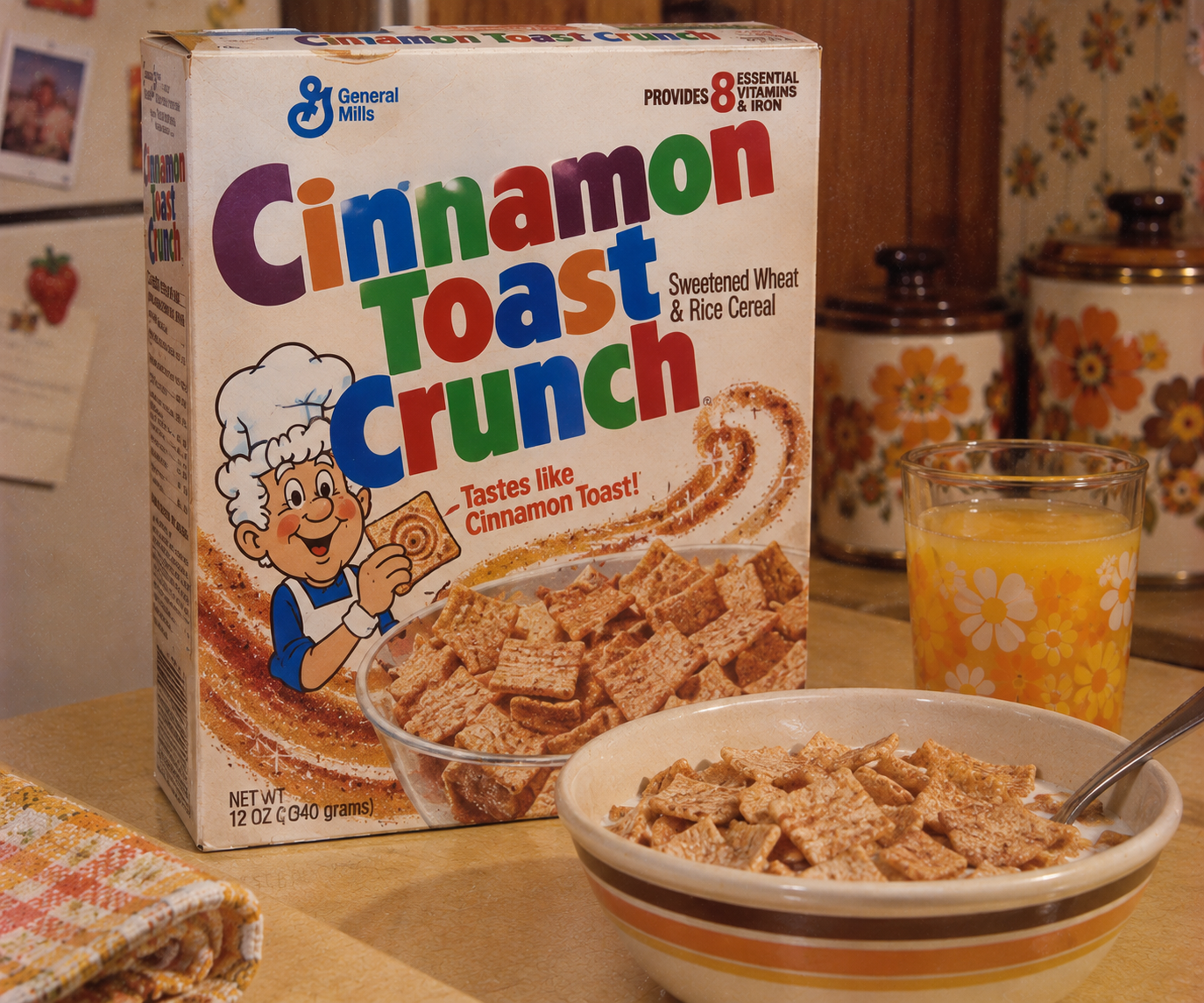
Competition was already fierce in the cereal aisle, but Cinnamon Toast Crunch secured a lasting place after launching in 1984. The cinnamon-sugar-coated squares stood out on their own, and the early advertising gave shoppers characters to connect with the brand. Chef Wendell and fellow bakers appeared on boxes and in commercials during the decade, long before today’s animated “Crazy Squares” took over. For many shoppers, those chefs are just as nostalgic as the cereal itself.
Cool Ranch Doritos
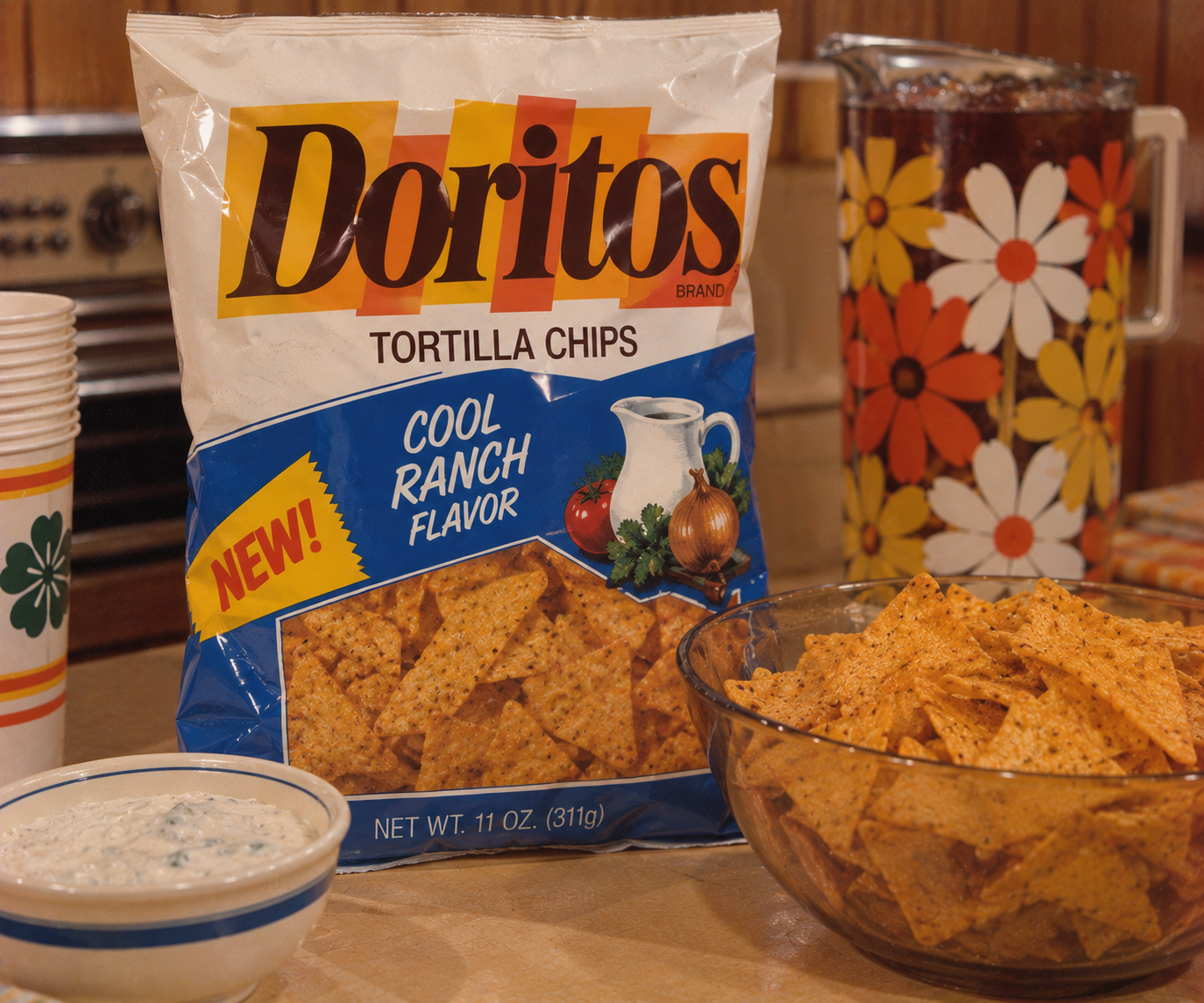
Doritos were not new in the 1980s, but the blue bag certainly was. Cool Ranch launched in 1986, offering a sharply different option from the cheesy flavors already linked to the brand. Its tangy seasoning made the new variety a permanent supermarket fixture instead of a passing experiment. So much time has passed that it is easy to forget there was once a time when blue Doritos bags were nowhere to be found in shopping carts.
Microwave Popcorn
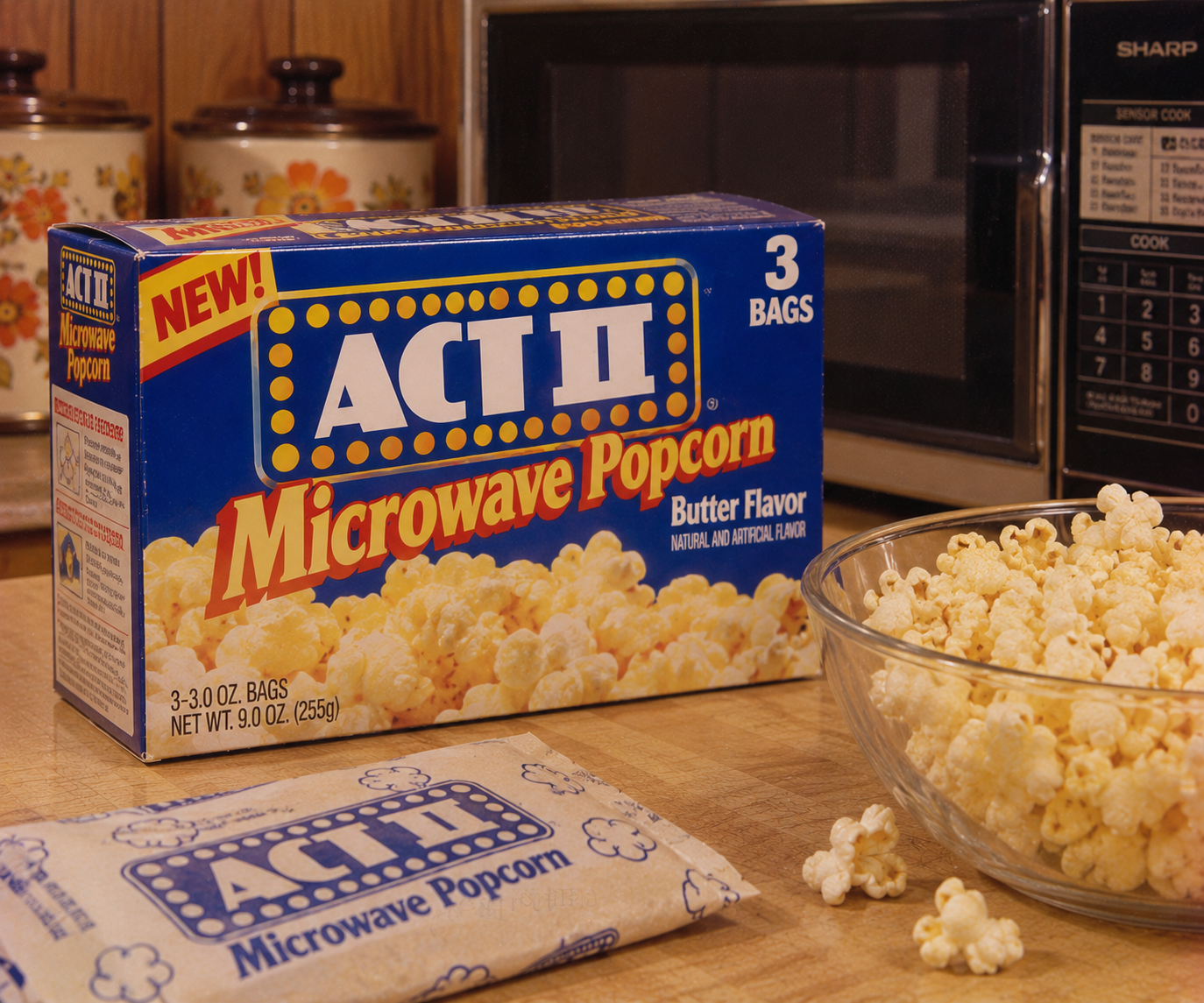
Microwave popcorn fit the 1980s almost perfectly. Microwave ovens were becoming more common in American homes just as VCRs and video rentals were changing family movie nights. Brands such as Pop Secret, which arrived in 1986, turned popcorn into a matter of placing a bag in the microwave and waiting for the popping to slow. Add a rented VHS tape and a couch, and you had an 1980s movie night without leaving home.
Capri Sun
That shiny foil pouch was easy to recognize. Capri Sun debuted in the U.S. in 1979, putting it in the right spot to become a lunchbox staple as individually packaged children’s drinks became more common. Drinking one required mastering the tiny straw and finding the right spot to pierce without pushing it through the back of the pouch. Once that was figured out, Capri Sun was portable, sweet, and made for a brown-bag lunch.
Lunchables
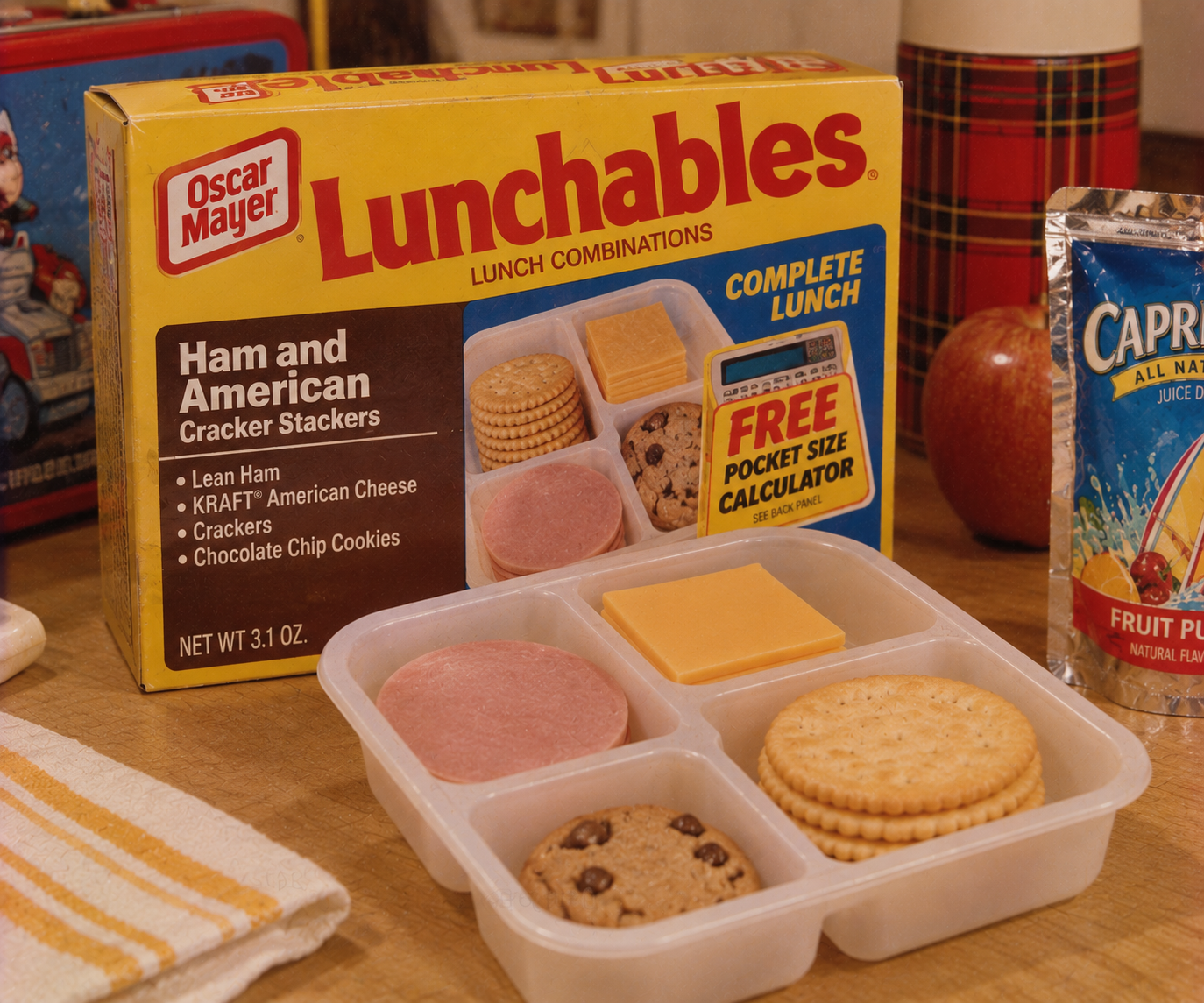
Lunchables barely made it onto an 1980s grocery list, but they still count. Kraft Heinz dates the brand to 1988, when Oscar Mayer introduced the compartmentalized trays as a faster way for busy parents to pack children’s lunches. The first versions were much simpler than the pizza, dessert, and drink kits that came later. At their core, they were miniature build-your-own cracker sandwich kits with separate sections for meat, cheese, and crackers. Even so, that segmented tray introduced a lunch format that soon became impossible to miss in refrigerated cases.
The 1980s Grocery Cart Was Built Around Convenience
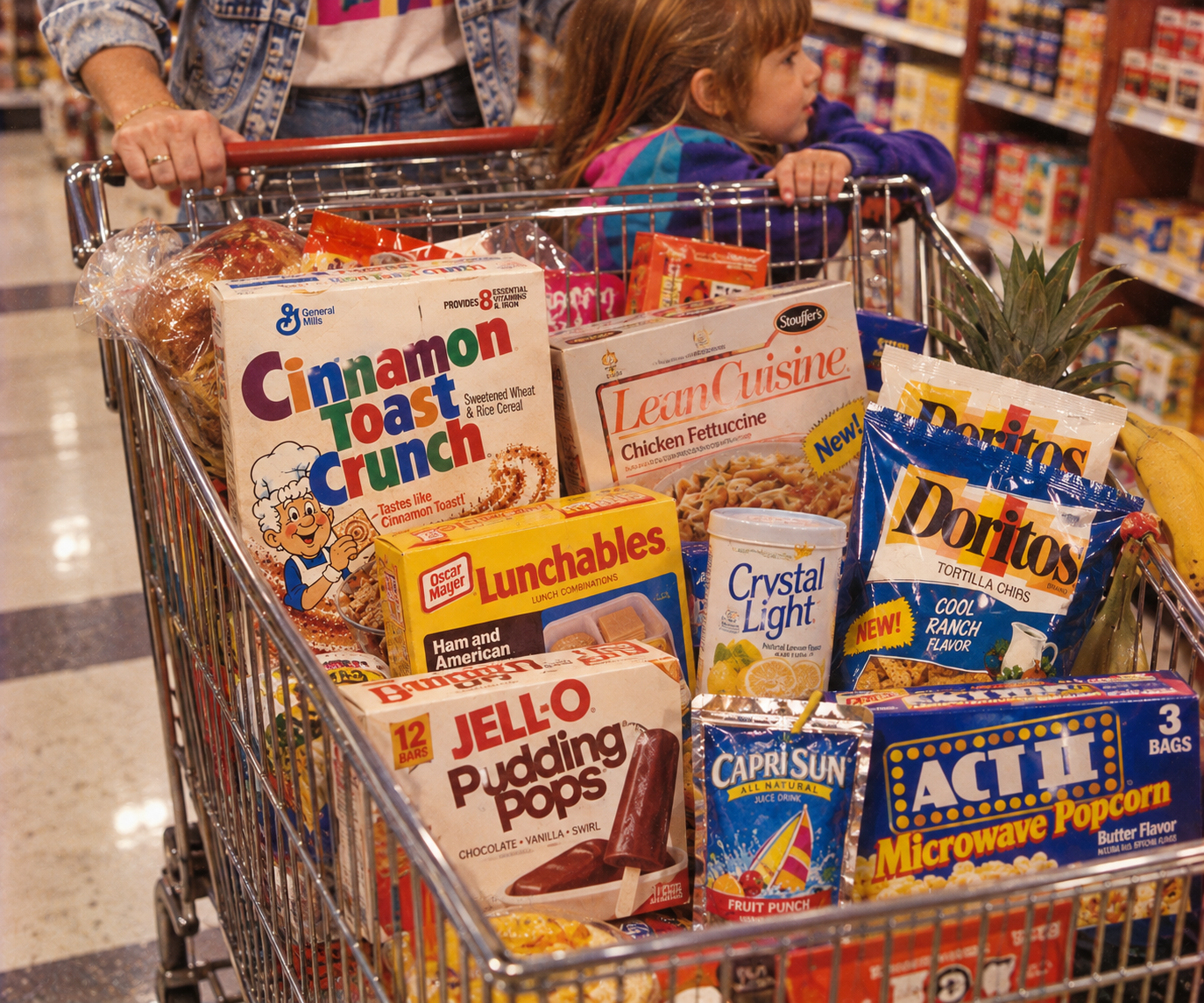
Looking back, one theme stands out: the 1980s grocery store increasingly sold convenience. Boxed dinners meant fewer dirty pans, frozen meals offered complete portions in minutes, microwave popcorn removed the stovetop, and packaged snacks and drinks were ready to go straight into a lunchbox.
Some of these products disappeared, while others are still sitting on supermarket shelves today. But put Hamburger Helper, Rice-A-Roni, Capri Sun, Cinnamon Toast Crunch, and a blue bag of Cool Ranch Doritos together, and you have a grocery haul that would not have looked out of place in 1988.
More from Digilifetrends
10 things people born in the 1980s have nearly forgotten
If you grew up in the 1980s, you probably remember a time before constant screens and online distractions, but after the shift into the digital age began.
2 min read · Updated 2026-10-1272 Vintage Gadgets That Make Yesterday’s Tech Feel Like True Design
Modern electronics have made daily life far easier than it was a few decades ago. Smartphones now do the work of IDs, wallets, music players, and movie players all at once, and…
5 min read · Updated 2026-10-1272 Retro Gadgets That Show Why Old Tech Still Feels So Cool
Modern electronics have made everyday life much easier than it was a couple of decades ago. Smartphones now double as IDs, wallets, and portable players for music and movies,…
6 min read · Updated 2026-10-12