Using coupons at the grocery store is one way to spend less, but there are other practical skills that can lead to even bigger savings over time. From fixing clothes to making restaurant favorites at home, these budget-friendly abilities can put real money back in your pocket, drawing on information from the USDA, the EPA, and other sources.
Learn to Make Five Dependable Takeout Stand-Ins
Cooking the meals you usually order for delivery or takeout can cut out delivery charges, tips, and restaurant markups, while also reducing the cost of eating out. You can start with dishes like burrito bowls, pizza, pasta, or fried rice and add more recipes as your confidence grows.
Learn to Mend Minor Clothing Damage
Knowing how to sew a button back on, repair a split seam, or patch a torn pocket can save far more than paying for clothing repairs. These skills begin with basic sewing techniques such as the running stitch, backstitch, button attachment, and simple patching.
Learn to Detect and Repair Simple Plumbing Leaks
A worn faucet washer, a leaking toilet flapper, or a dripping fixture can waste water and raise your utility bill, along with the cost of hiring a plumber. With a few useful skills, you can identify common leaks, shut off the water to the fixture, and replace the faulty part with one approved by the manufacturer, following the provided instructions.
Learn Basic Car Maintenance
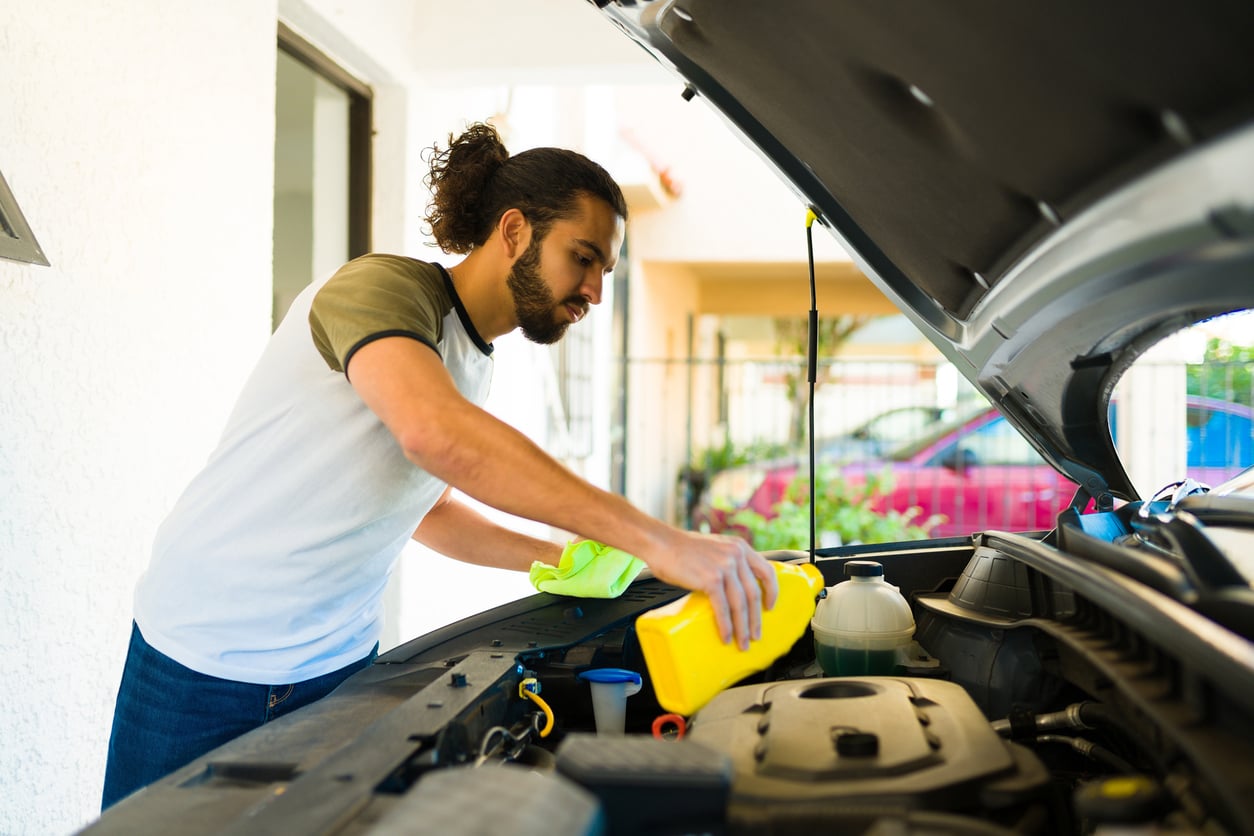
Simple car care, such as checking tire pressure, monitoring fluid levels, and replacing compatible cabin air filters, can help prevent larger problems that may become expensive later. By following the vehicle manufacturer’s guidance and the recommended service schedule, you can keep your car running more efficiently. The U.S. Department of Energy also provides fuel economy tips that can help.
Learn to Cut Simple Haircuts at Home
Haircuts are a lifelong expense. Learning to handle basic clipper cuts or small trims can reduce how often you need to pay a professional. Begin with clipper guard sizes and gradual trimming techniques, and leave more complicated styles for later.
Trending on Cheapism
Learn to Freeze and Preserve Seasonal Produce
Knowing how to freeze vegetables, fruit, herbs, and prepared meals properly can help you keep food usable longer instead of throwing it away. Useful techniques include blanching, proper freezer packaging, and other preservation methods recommended by the National Center for Home Food Preservation. Avoiding food waste is one of the easiest ways to save money.
Learn to Troubleshoot Common Household Appliances
Appliances can develop small problems, such as clogged filters, built-up debris, or a need for routine upkeep, that may eventually turn into larger repairs. A few practical skills can help you handle these issues yourself, whether that means cleaning a dishwasher filter or maintaining a vacuum cleaner according to the manufacturer’s directions. Different appliances vary, but all need some form of maintenance to avoid early breakdowns.
Learn to Grow Herbs You Actually Use
Many people buy small bunches of basil, parsley, or chives. Even if each purchase is inexpensive, the total adds up over time. Growing your own herbs is a worthwhile skill to develop, especially by starting with varieties that suit the light in your space and need little water.
Sign up for our newsletter
Subscribe to Cheapism and get exclusive tips, top deals, and money-saving ideas sent directly to you.
Learn to Make Coffeehouse Drinks at Home
Many people regularly buy coffee drinks such as iced coffee, cold brew, flavored lattes, or chai. Making these drinks at home is one of the easiest money-saving habits to pick up. With ordinary brewing equipment, plus milk and a few basic flavorings, you can prepare them yourself instead of paying coffee shop prices. The CFPB also offers budgeting tools that can help track your savings.
Learn Simple Home Weatherproofing
Sealing air leaks and improving weatherstripping can reduce the amount of hot or cold air lost from your home while your HVAC system is running. These skills include finding drafty doors and windows and sealing them with the proper materials and instructions. That can help keep your HVAC equipment from working harder than necessary and increasing electricity use.
Learn Basic Bicycle Repairs
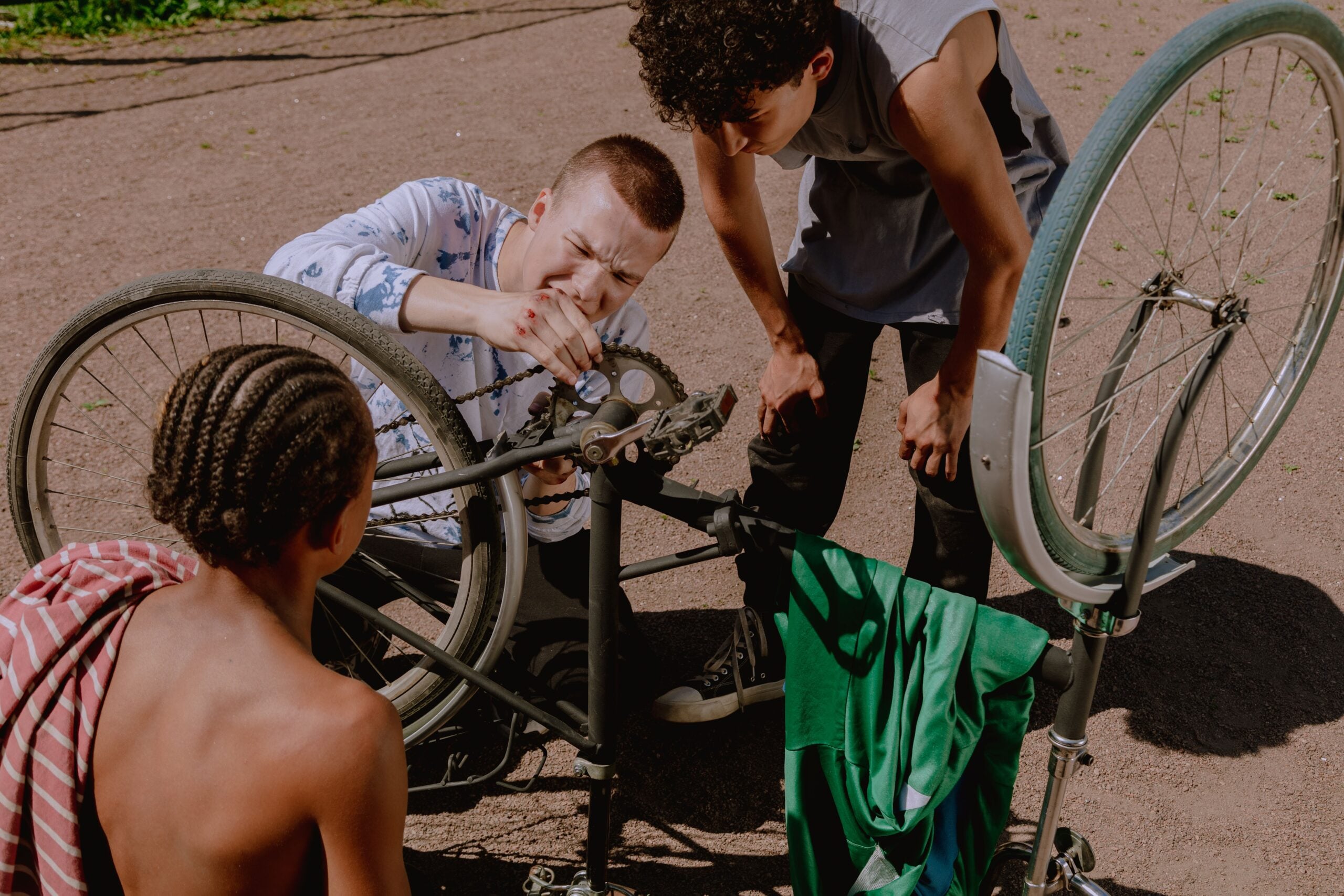
Knowing how to adjust an inner tube, tighten a loose part, or clean a bicycle chain can keep you from making unnecessary trips to a bike shop for simple maintenance. These skills start with learning the parts of a bicycle, knowing the correct tire pressure, and practicing fixes that range from easy to more advanced.
Learn to Compare Insurance Policies Carefully

When reviewing an insurance policy, it is important to understand what is covered, which expenses can be claimed, the coverage limits, and the renewal cost so you know exactly what you are paying for. A lower premium is not always better if it comes with poor coverage. Read the details closely and compare policies with equivalent benefits.
Conclusion
As you build money-saving skills that help reduce recurring household expenses, you can improve your finances by handling more problems yourself. From cooking and basic repairs to energy-saving improvements, these practical habits come from learning tasks that are useful, common, and relatively easy to master.
More from Digilifetrends
Why New Jersey Retirees Headed for Florida Delay Roth Conversions Until After the Move
For many New Jersey retirees relocating to Florida, even a one-day difference in when they complete a Roth conversion can determine whether they owe tax to a state they are…
5 min read · Published 2026-11-05Buffett’s 90/10 Strategy for a 65-Year-Old Retiree With $600,000 in an IRA and $2,800 a Month From Social Security: Monthly Cash Flow and Taxes
Using Warren Buffett’s 90/10 approach — a mix of an S&P 500 fund and Treasury bills — a 65-year-old with $600,000 could generate about $4,800 a month when Social Security is…
7 min read · Published 2026-11-05How Buffett’s 90/10 Strategy Would Work for a 65-Year-Old With $600,000 in an IRA and $2,800 in Monthly Social Security
Warren Buffett has made clear how he wants his wife’s money handled after his death. In a 2013 letter to Berkshire Hathaway shareholders, he said the trustee’s instructions could…
6 min read · Published 2026-11-05