For many Americans, money problems do not begin with a major bill, a lost job, or a sudden emergency. They can start with routine purchases instead. A subscription service, a delivery order, or a few payments on a new device can quietly chip away at a household budget. As housing, insurance, and other costs rise, spending habits that once felt manageable can become difficult to maintain.
Individually, these expenses may not seem worrisome, but over time they can reduce savings, add debt, and leave families with less flexibility. Below are 12 everyday purchases that are turning into financial traps, along with why it helps to keep an eye on them.
1. Food Delivery Apps
Food delivery apps are convenient, but service fees, tips, and higher menu prices can make each meal much more costly. Ordering often can run into the hundreds each month, while cooking at home or picking up food can cut the bill.
2. Buy Now, Pay Later Services
Buy now, pay later services let shoppers divide purchases into smaller installments. That can make items seem more affordable, but juggling several plans at once can make bills harder to manage and may trigger extra fees.
3. Subscription Services
Streaming, music, and other subscriptions can become surprisingly expensive when people lose track of them. Reviewing monthly charges and canceling unused services can help save money.
4. Expensive Coffee and Specialty Drinks
Buying coffee or specialty drinks may not feel costly at first, but the total can grow quickly. Making drinks at home most days and treating coffee shop visits as occasional purchases can help reduce spending.
5. Car Payments
A new car can mean years of monthly payments, and the real cost also includes fuel, insurance, maintenance, and repairs. A used vehicle can be a less expensive option for many buyers.
6. Bottled Water
Regularly buying bottled water and other drinks can become expensive over time. Using a reusable bottle or buying in larger quantities can lower the cost.
7. Fast Fashion and Impulse Clothing Buys
Low-priced clothing can seem like a bargain, but filling a closet with items that are rarely worn can waste money.
8. Gym Memberships
Gym memberships, fitness apps, wearable trackers, and exercise equipment can be pricey if they are used only occasionally. For many people, free activities such as walking or running may be enough.
9. Extended Warranties and Protection Plans
Retailers often push protection plans for electronics and other products. These plans can be helpful, but shoppers should check the details carefully to avoid paying for coverage they already have.
10. Premium Phone Plans
Expensive phone plans, insurance, and frequent upgrades can make smartphone ownership far more costly. Keeping a phone longer and choosing a plan that fits actual needs can help save money.
11. Grocery Convenience Foods

Prepared meals, snack-size packages, and ready-to-eat foods often cost more than basic ingredients. Buying in bulk and making snacks at home can help lower grocery expenses.
12. Online Shopping and Free-Shipping Deals
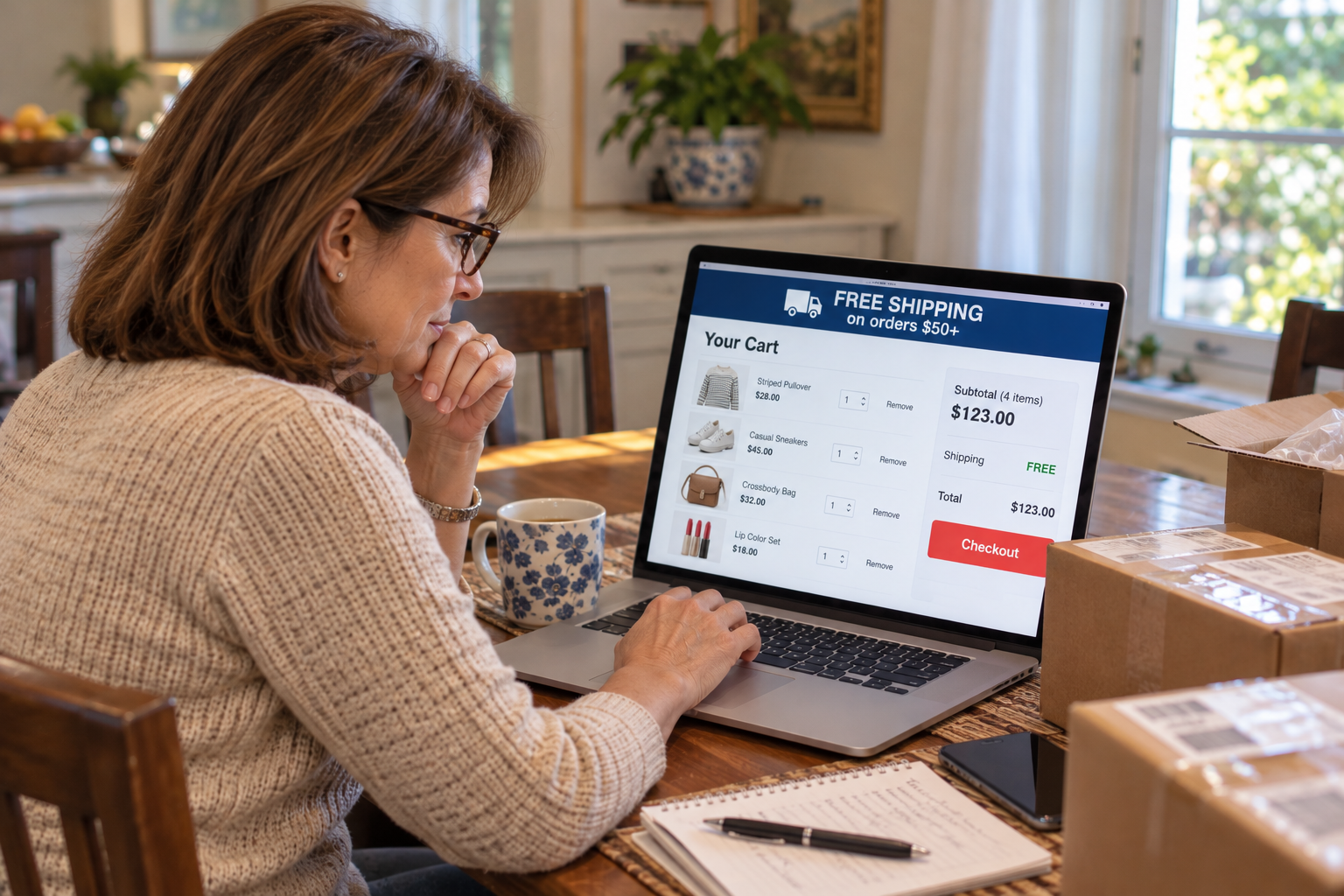
Online shopping can add up quickly, especially when buyers add extra items just to qualify for free shipping. Waiting before placing an order and checking the full total can help avoid unnecessary spending.
More from Digilifetrends
Spending Under Stress: Understanding Doom Buying and Five Ways to Stop It
After a difficult day, adding an item to an online cart can feel like a small comfort. The behavior is often called doom spending: impulse buying used to soothe stress, which can…
2 min read · Published 2026-10-30Fed Data Shows Average Retirement Savings by Age: Under 35 at $48,400, 55–64 at $670,200
Federal Reserve data shows average retirement savings of $48,400 for people under 35, climbing to $670,200 for those ages 55 to 64.
5 min read · Published 2026-10-30Average Retirement Savings by Age, Based on Fed Data: Under 35 ($48,400), 35–44 ($182,400), 45–54 ($415,800), 55–64 ($670,200)
The Federal Reserve has released a more detailed look at what American families actually keep in retirement accounts, and one important detail changes how these numbers should be…
4 min read · Published 2026-10-30