Regularly choosing the right foods can help keep your immune system well supported over time. A balanced diet that includes vitamin C-rich fruit, probiotic yogurt, and other nutrient-dense options may help protect against infections and illness as you age.
1. Citrus Fruits
Citrus fruits are widely known for their high vitamin C content, which is often associated with immune support.
Vitamin C, also called ascorbic acid, is a water-soluble nutrient needed for tissue growth and repair. As an antioxidant, it helps neutralize free radicals, which may lower the risk of certain cancers, heart disease, and other chronic conditions.
An average adult needs 75 to 90 milligrams of vitamin C each day. Because the body does not make vitamin C on its own, it must come from food.
2. Red Bell Peppers
Red bell peppers are another food that can contribute to a healthy immune system. In fact, they contain more vitamin C than most citrus fruits. One large red bell pepper delivers 210 milligrams of vitamin C, which is more than twice the recommended daily amount.
Their benefits do not end there. Red bell peppers also contain beta-carotene, a strong antioxidant that gives them their deep red color and helps combat free radicals. Beta-carotene also has pro-vitamin A activity, so bell peppers may support eye and skin health as well.
3. Yogurt
Research has linked gut health with overall health. The digestive tract contains a complex community of microbes that contribute to energy regulation and immune function.
Not every microbe is helpful, though, so it is important to encourage the beneficial bacteria already present.
Foods such as yogurt, which contain probiotics, can help increase the number of good bacteria in the gut microbiome. Greek yogurt is especially helpful for the immune system because it supplies high-quality protein and may broaden the range of bacteria in the gut.
4. Fatty Fish
Most immune cells have a vitamin D receptor, showing how closely this nutrient is tied to proper immune function.
Fatty fish such as salmon and mackerel are rich in vitamin D. Three ounces of cooked salmon provide 14.5 micrograms of vitamin D, or 97% of the recommended daily intake.
These fish are also excellent sources of omega-3 fatty acids, which have been associated with lower mortality from major causes such as cardiovascular disease, cancer, and Alzheimer’s disease.
Studies have also linked omega-3 fatty acids with reduced levels of pro-inflammatory markers.
5. Poultry
Lean poultry cuts such as chicken and turkey breast are rich in vitamin B6 and can help maintain a healthy immune system.
Vitamin B6 is important for producing T-lymphocytes and interleukins, both of which are essential to immune function. Research has also connected vitamin B6 deficiency with chronic inflammation, suggesting the vitamin may help reduce oxidative stress.
A 4-ounce serving of chicken breast provides 0.916 milligrams of vitamin B6, or 54% of the highest recommended daily intake.
6. Leafy Greens
Leafy greens such as spinach, kale, and Swiss chard can play a role in supporting immune health. They are rich in nutrients and fiber, which help maintain gut health and cover many daily nutritional needs.
Their antioxidant content may be especially important. Eating leafy greens regularly can help reduce oxidative damage and inflammation in the body.
7. Nuts
Zinc is crucial for a healthy immune system because it helps regulate intracellular signaling pathways. While many foods contain zinc, nuts are among the most convenient sources. Cashews, almonds, and pine nuts are all good examples.
One ounce of cashews provides 1.64 milligrams of zinc, or 15% of the highest recommended daily intake. One ounce of almonds contains 0.885 milligrams of zinc, or 8% of the upper end of the recommended range.
8. Ginger
Ginger, a flowering root plant native to Southeast Asia, has been associated with immune-supporting benefits. Its antioxidant and anti-inflammatory properties may help lower the risk of chronic health concerns such as cardiovascular disease.
It may also block pro-inflammatory cytokines and suppress oxidative molecules that contribute to inflammation.
9. Turmeric
Turmeric is a bright yellow, bitter spice that contains a biologically active compound known as curcumin.
Curcumin works with immune cells such as macrophages and natural killer cells to strengthen the body's defenses. Its gastroprotective, anti-inflammatory, and antioxidant effects may also help suppress pathways that trigger inflammation and oxidative stress.
10. Garlic
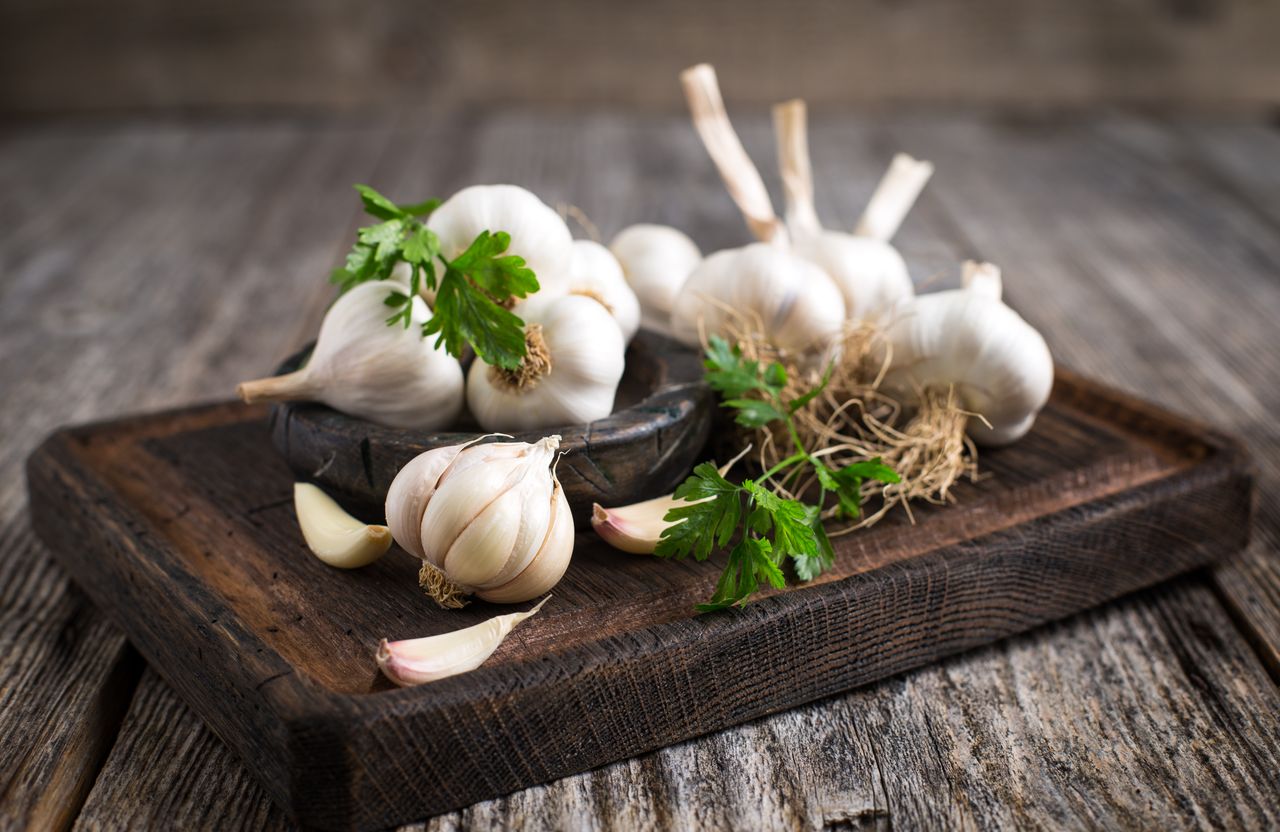
Garlic has a long history of medicinal use because it contains several compounds linked to immune function. These active compounds have antibacterial, anti-inflammatory, antioxidant, and neuroprotective properties.
Garlic may also support brain, gut, and heart health. In addition, it can help strengthen immune response and reduce inflammation.
How Else Can You Boost Your Immunity?
Read the original article on Health
More from Digilifetrends
A Practical Natural Plan for Managing IBS Step by Step
Managing IBS naturally tends to work better as a sequence of small changes than as a single quick fix. The American Gastroenterological Association says many people with IBS can…
11 min read · Published 2026-11-04Preserving Muscle With Age: What Diet and Exercise Can Do
Aging alters how muscles react to food and physical activity, prompting questions about protein needs, meal timing, and which supplements may genuinely help support muscle health.
8 min read · Published 2026-11-04Whole Foods ashwagandha buyers advised to discard recalled bottles over salmonella concern
Shoppers who bought a Whole Foods-branded herbal supplement are being told to throw away recalled bottles because of a possible salmonella risk.
2 min read · Published 2026-11-04