Getting older does not mean your mind has to become less active. In fact, staying mentally engaged is one of the most effective ways to support cognitive health over time. Hobbies that challenge the brain can also be enjoyable and inexpensive. These low-cost activities may help sharpen thinking, lift your mood, and create opportunities to connect with others in your community.
1. Reading
Books can take you into different worlds while giving your brain a solid workout. Regular reading helps exercise memory, focus, and vocabulary at the same time. Public libraries offer a wide range of free material to explore.
Many libraries also have digital borrowing, so e-books can be downloaded from home. For readers with changing eyesight, large-print editions and audiobooks make the habit more accessible. Keeping a simple reading journal adds another layer of mental activity by encouraging reflection on what you read.
Even a short daily reading habit can support cognitive health while offering a calm, enjoyable break.
2. Puzzles and Brain Games
Crosswords, Sudoku, and jigsaw puzzles provide a satisfying challenge while helping strengthen neural connections. Their appeal is that they are simple, familiar, and easy to access.
Newspaper puzzles are inexpensive, and discount stores often sell puzzle books that last for weeks. Many older adults also use free brain-training apps on devices they already own. Some community centers even host puzzle exchanges where finished puzzles can be swapped for new ones.
Switching between different puzzle types can work different skills. Word games support language processing, while number games build logical thinking. A little daily puzzling can help keep the mind alert and give a strong sense of accomplishment.
3. Walking or Light Hiking
A comfortable pair of shoes is often all you need to start. Walking combines physical movement with mental stimulation, and that combination can be especially valuable. Changing scenery engages the senses while supporting healthy blood flow to the brain.
Walking in nature may offer added cognitive benefits. Moving through natural settings uses different mental mapping skills than walking city streets. A senior walking group can add social interaction, or you can create your own route with small changes each day to stay mentally engaged.
Walking costs nothing and can bring substantial benefits. Some people like to keep track of steps or jot down interesting things they notice along the way. That simple routine helps connect movement with mental engagement.
4. Gardening
Working with soil and watching seeds grow into flowers or herbs can connect you to natural rhythms while also challenging the brain in subtle ways. Planning a garden layout supports spatial thinking, and identifying plants helps strengthen memory.
Container gardening makes this hobby possible in many settings, including apartments with small balconies or sunny windowsills. Easy-growing herbs such as basil or mint are a good place to begin because they are useful in cooking as well as attractive. Basic tools and containers are often inexpensive, and seeds remain one of the most affordable ways to start.
The light physical activity involved can improve circulation and lower stress. Many gardeners also find the work calming and meditative, and that mindful focus may support cognitive health. Seasonal changes bring new tasks and keep the mind active throughout the year.
5. Writing or Journaling
A blank page offers plenty of possibilities. Writing engages several parts of the brain at once, making it a strong mental exercise. Unlike passive activities, it asks for organization, reflection, and creativity.
Simple daily journaling about memories or observations can strengthen recall and provide emotional release. Many older adults enjoy writing letters to grandchildren or friends, while others turn to creative writing and stories they have carried for years.
All you really need is a notebook and a pen, although many people enjoy choosing a special journal. Libraries and senior centers may offer free writing workshops, and online communities can provide a place to share work. The mental benefits begin with the first sentence.
6. Learning a New Language
Learning to say hello in another language can be the beginning of a rewarding brain exercise. Research has shown that bilingual older adults often experience slower cognitive decline than those who speak only one language.
Free language apps make it easy to learn with a smartphone or tablet. Libraries may also offer language resources or conversation groups. Some people choose a language connected to family roots or a place they hope to visit, which adds personal meaning to the process. Even a short daily practice session can help.
It helps to focus on useful phrases rather than perfect grammar. Studying with a partner can also make the process more enjoyable and keep you accountable. Switching between languages strengthens cognitive flexibility and supports the brain’s ability to adapt.
7. Playing Cards or Board Games
The sound of cards shuffling or game pieces moving often signals an enjoyable mental challenge. Card games such as bridge and rummy call for memory, strategy, and social interaction, making them especially rewarding.
Many classic board games are already sitting in closets waiting to be used again. Chess encourages forward planning, while checkers supports pattern recognition. Newer board games can offer fresh challenges, but traditional games remain just as useful. Libraries and community centers often host game sessions where you can join without buying anything.
Conversation, laughter, and friendly competition all add to the brain benefits. Even solitaire can support working memory and problem-solving. A regular game night can become a helpful routine for maintaining mental sharpness.
8. Arts and Crafts
Creativity does not fade with age, and many people do some of their best creative work later in life. Arts and crafts engage both sides of the brain while supporting hand-eye coordination and fine motor skills. The concentration involved can create a meditative flow state.
Watercolor painting requires only a few supplies but leaves plenty of room for experimentation. Knitting and crochet turn yarn into useful items while keeping fingers active. Drawing can be done with nothing more than paper and observation. Thrift stores often sell inexpensive craft supplies, making it easy to get started.
Community centers may also offer low-cost or free beginner classes. Making something tangible can build confidence and provide a sense of achievement. Perfection is not the goal; the value comes from the process itself.
9. Volunteering
Helping others can also support your own brain health. Volunteering introduces new experiences that help build neural pathways while creating meaningful social contact. The variety keeps thinking flexible and adaptable.
Libraries may need reading helpers, food pantries often need sorting assistance, and animal shelters may welcome volunteers to help socialize pets. Many organizations accept small time commitments, and some roles can be adjusted for physical limitations while still offering mental stimulation.
Regular volunteering can also provide structure, which is often helpful for cognitive health. In addition to the brain benefits, it can reduce isolation and depression. Many older adults say volunteering gives them a stronger sense of purpose and connection to their communities.
10. Music Appreciation or Playing an Instrument
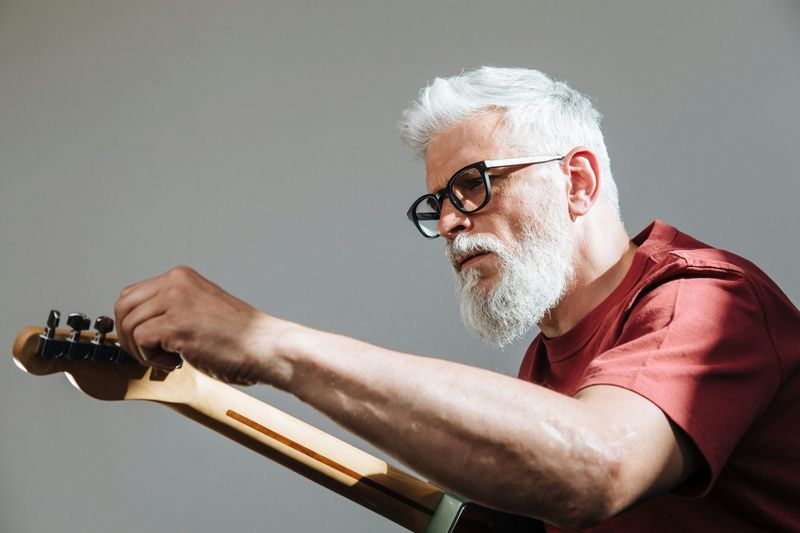
Few activities activate the brain as widely as music. Brain imaging studies have shown that listening to favorite songs lights up multiple neural networks. Learning to play an instrument can bring even greater cognitive rewards.
You can begin by exploring new styles through free streaming services or library CDs. Some older adults rediscover singing through community choirs that welcome all skill levels. Simple instruments such as a recorder, harmonica, or ukulele can offer meaningful brain exercise, and free online tutorials make learning more accessible.
Some senior centers also offer group lessons for little or no cost. Playing music strengthens coordination between brain hemispheres and may reduce stress and anxiety. Even careful listening can improve auditory processing and deepen appreciation for sound.
More from Digilifetrends
10 things people born in the 1980s have nearly forgotten
If you grew up in the 1980s, you probably remember a time before constant screens and online distractions, but after the shift into the digital age began.
2 min read · Updated 2026-10-1272 Vintage Gadgets That Make Yesterday’s Tech Feel Like True Design
Modern electronics have made daily life far easier than it was a few decades ago. Smartphones now do the work of IDs, wallets, music players, and movie players all at once, and…
5 min read · Updated 2026-10-1272 Retro Gadgets That Show Why Old Tech Still Feels So Cool
Modern electronics have made everyday life much easier than it was a couple of decades ago. Smartphones now double as IDs, wallets, and portable players for music and movies,…
6 min read · Updated 2026-10-12