For generations, Americans have looked to autumn for clues about the winter ahead. Long before weather apps and satellite forecasts, people studied the land, the sky, and even animal behavior to guess what kind of cold season was coming. Many of these signs began as practical wisdom for farmers, hunters, and families preparing for harsh weather, and they still capture attention today.
Some of these beliefs sound almost magical at first glance, like reading the future in woolly bear caterpillars or in the thickness of a corn husk. Yet many people who live close to the seasons still notice patterns in these old signs. The science behind them ranges from limited to mixed, but the traditions remain vivid and deeply rooted. Here are ten autumn changes that have long been treated as hints of what winter may bring.
The First Sharp Morning Frost
That first morning when the ground looks dusted with white has always felt like a turning point. In rural communities, frost sparkling on fences and fields often sparked talk about how severe the coming winter might be. An early frost in the fall was commonly taken as a warning that colder weather could arrive quickly and hit hard.
Today, meteorologists rely on forecasting models rather than frosted fence posts, but the timing of the first frost still matters. Repeated early frosts can shorten growing seasons, damage late crops, and change animal behavior. Gardeners and farmers still watch closely, blending modern information with long-held instinct.
Leaves Changing Color Faster Than Usual
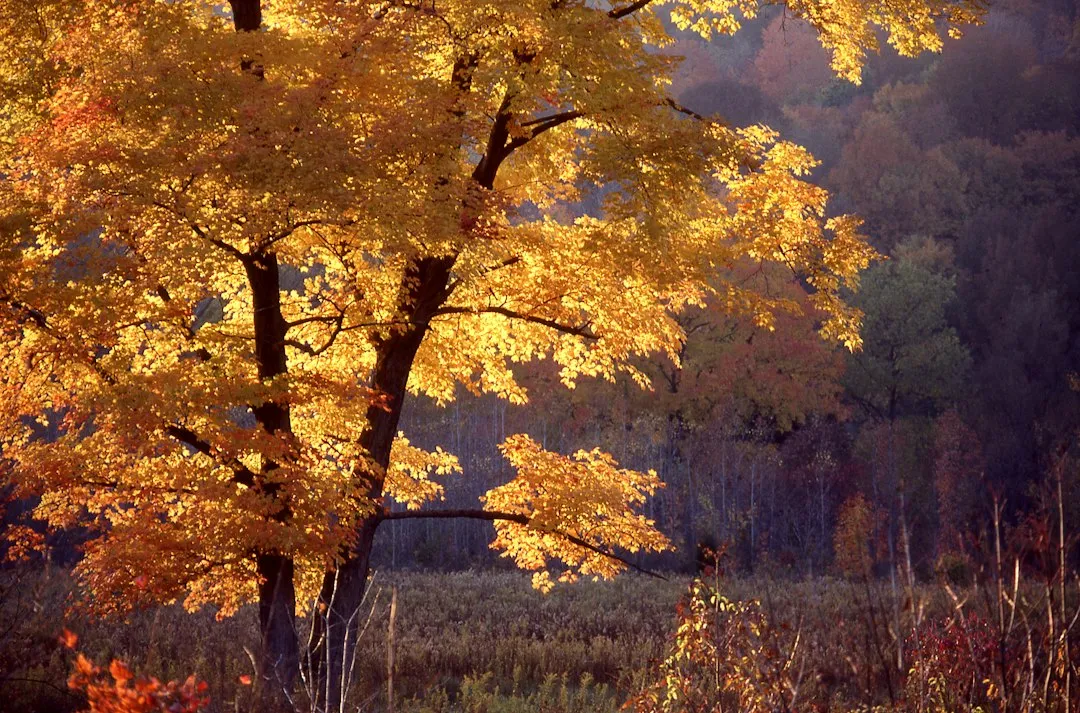
Fall foliage is one of the most familiar signs of the season, especially in places known for brilliant color. For generations, people have watched not only how vibrant the leaves became, but also how quickly they changed and fell. When the colors arrived early or the transition seemed unusually rapid, many took it as a sign that winter might be especially harsh.
There is some logic behind the observation. Temperature swings, rainfall, and stress on trees all affect leaf color and timing. Cool nights and sunny days can intensify the reds and golds, while drought can make leaves brown and drop sooner. So even if the winter prediction is mostly traditional, the weather changes behind the foliage are very real.
Migrating Birds Leaving Earlier Than Normal
The quiet that follows a season full of bird song can feel striking. Many Americans have long viewed geese flying south in rough V-shapes or swallows disappearing from barns as one of the clearest signs that winter is approaching. If the flocks leave earlier than expected, older wisdom says to prepare for a longer and colder season.
Bird migration is driven by daylight, food, and temperature patterns. Some species do adjust their timing in response to changing conditions, and people who live around wildlife often notice those shifts before they appear in reports. Even if the birds are reacting rather than predicting, their early departure gives the season an unmistakable sense of change.
Squirrels and Other Wildlife Stocking Up Aggressively
Few sights are more familiar than a squirrel burying acorns with intense urgency. Many generations have treated especially busy foraging by squirrels, chipmunks, and mice as a sign that a rough winter is on the way. More nesting, deeper burrows, and frantic food gathering all reinforce the idea that animals may sense what humans do not.
Biologically, these behaviors are shaped by instinct, daylight, and food supply. But recent weather and the availability of nuts can also influence how active wildlife becomes. It can be difficult to separate an actual seasonal warning from a bumper crop of acorns, yet the effect on human imagination is the same: winter feels closer when the animals start rushing to prepare.
Thicker-Than-Usual Animal Coats
Farmers, hunters, and ranchers have long watched the coats of animals as a seasonal signal. Horses, cattle, deer, and even farm dogs often grow fuller, shaggier fur in the fall, and that has traditionally been read as nature’s way of preparing for a colder winter.
There is a real biological basis for this belief. Many mammals develop heavier coats as daylight shortens and temperatures drop. That does not mean they can forecast snowstorms, but it does tie their bodies to the changing season. For people who spend time around livestock or wildlife, those shifts can be as readable as any almanac.
Woolly Bear Caterpillars and the Stripes That Spark Debates
The woolly bear caterpillar remains one of the most talked-about folk signs of all. Generations of children have picked up the fuzzy black-and-brown caterpillars and tried to read the winter in their stripes. The traditional belief says that a wider brown band points to a milder winter, while more black suggests a harsher one.
Scientists who study woolly bears generally say the banding depends more on age, species, and earlier weather conditions than on the coming winter. Even so, the tradition remains popular. In some places, festivals and local forecasts still center on them, and the ritual of examining a caterpillar and making a playful prediction has not lost its charm.
Unusually Large or Abundant Acorns and Nuts
Walking beneath oaks and other nut-bearing trees in the fall can feel like reading a message from the landscape. Many Americans were taught that when acorns, hickory nuts, or beechnuts appear in unusually large numbers, winter is likely to be severe. The idea is that nature is stocking up in anticipation of lean months.
In reality, trees often follow cycles known as mast years, when production rises and falls based on weather, pollination, and stored energy. Those cycles are not simple winter forecasts, but they do signal something unusual in the local ecosystem. Even if the scientific connection to cold weather is weak, the memory of a winter after a nut-heavy fall keeps the old story alive.
Persistent North Winds and Sudden Temperature Swings
Before daily forecasts were easy to access, people paid close attention to the wind. In many parts of the country, a steady north or northwest wind in the fall was seen as a sign that true winter air was approaching. Older generations often described it as the wind turning mean, especially when mild afternoons suddenly gave way to biting cold.
There is a strong meteorological reason for that intuition. Colder air masses often move south from the north and northwest, bringing drier, sharper conditions. Sudden swings in temperature can reflect those shifts. Even without a weather map, people can feel the change in the air as it cuts across open fields and settles into evening.
Cloud Patterns and “Snow Sky” Light
Farmers, sailors, and hunters have long developed their own language for skies that seem to hint at snow. Thin high clouds that spread like a veil, or low gray layers that cling to the horizon, often make people feel that winter is close. In some regions, late-autumn light itself is said to look colder and more washed out.
Those impressions come from real atmospheric shifts, including changes in jet streams and moisture moving through storm tracks. Certain cloud patterns can precede colder systems or early snowfall. Still, the emotional effect matters too: a November sky that looks like a snowstorm waiting to happen can make winter feel near even before the first flake falls.
Garden and Field Soil Turning Heavy and Cold
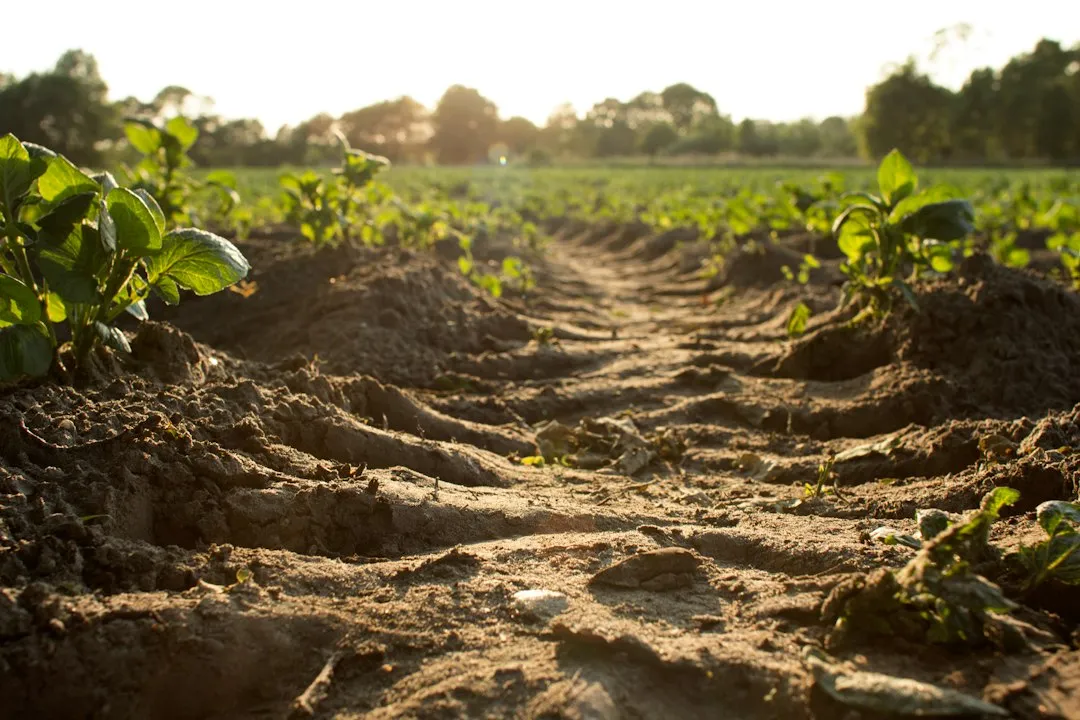
Anyone who has worked the ground in late fall knows how quickly soil can change. What once felt loose and warm can become dense, damp, and cold within a short time. For generations, gardeners and farmers have treated that shift as a final warning from the earth: finish the harvest, protect the plants, and prepare for winter.
This heaviness reflects the loss of summer heat stored in the ground, along with more moisture from fall rain and less evaporation in cooler air. Once the soil begins holding that chill, it can be hard to reverse. That is why practical decisions, from mulching to moving potted plants indoors, often follow this quiet but unmistakable signal.
Longer Nights, Earlier Darkness, and Shifting Daily Rhythms
Of all the signs of the season, this one may be the most obvious and the most deeply felt: the days grow shorter. Streetlights come on before dinner, children head home in twilight, and ordinary errands happen under a sky that would have still been bright weeks earlier. For many Americans, the creeping darkness is one of the clearest emotional previews of winter.
This change is caused by the tilt of the Earth, but the effect is deeply personal. People often shift their routines, go to bed earlier, cook heavier meals, and spend more time indoors. The body seems to adjust right along with the planet, even if the shortening days say nothing about snowfall, they say a great deal about the season itself.
Conclusion: Old Signs in a Changing Climate
In an era of climate change and highly detailed forecasting, it can be tempting to treat these fall signs as charming leftovers from another time. But that view misses an important point. Their value is not in perfect accuracy, but in encouraging people to pay attention to the world around them. Watching frost, clouds, birds, and wildlife teaches us to notice patterns and subtle environmental shifts.
These old signs are worth keeping, as long as they are treated with curiosity rather than certainty. Let woolly bears, early frosts, and busy squirrels start conversations instead of serving as final answers. And if some of the patterns seem to be changing, that may be its own message about the world we live in now. When you step outside this fall, which signs will you trust, and which new ones will you begin to notice?
More from Digilifetrends
10 things people born in the 1980s have nearly forgotten
If you grew up in the 1980s, you probably remember a time before constant screens and online distractions, but after the shift into the digital age began.
2 min read · Updated 2026-10-1272 Vintage Gadgets That Make Yesterday’s Tech Feel Like True Design
Modern electronics have made daily life far easier than it was a few decades ago. Smartphones now do the work of IDs, wallets, music players, and movie players all at once, and…
5 min read · Updated 2026-10-1272 Retro Gadgets That Show Why Old Tech Still Feels So Cool
Modern electronics have made everyday life much easier than it was a couple of decades ago. Smartphones now double as IDs, wallets, and portable players for music and movies,…
6 min read · Updated 2026-10-12